




The Foundation of Cool Greenery
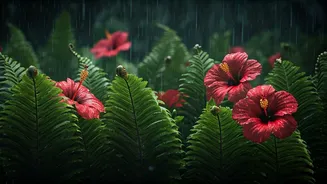
Before any color, there must be green. In the often-warm climates where these balconies thrive, ferns are not just decorative; they are functional architects of atmosphere. They create a cooling curtain of life, their delicate fronds filtering the harsh
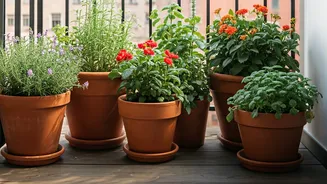
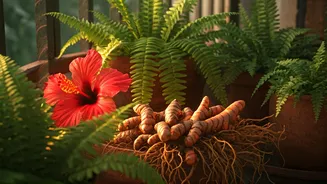
sun into a soft, dappled light. A collection of ferns—Boston, maidenhair, or bird's nest—instantly lowers the visual temperature of a space, suggesting the calm of a monsoon-drenched hillside. Grouped together in terracotta pots of varying sizes, they form a verdant foundation, a canvas of deep greens and complex textures. Their presence is a quiet promise of shade and repose. They don't demand attention with loud blooms but offer something more fundamental: a sense of sanctuary. For anyone in the U.S. trying to replicate this feeling on a patio or in a sunroom, starting with ferns is key. They thrive in humidity and indirect light, making them perfect companions for a covered apartment balcony where you plan to sip your morning coffee or tea.
A Pop of Sacred Color
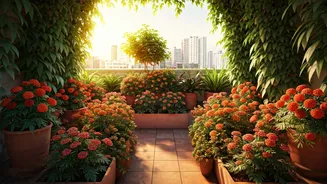
Against the deep green canvas of ferns, the hibiscus flower is a jolt of pure joy. Its large, dramatic blooms—in shades of fiery red, brilliant orange, or sunny yellow—are the soul of the tropical garden. In India, the red hibiscus, or *japa*, is more than just a beautiful flower; it’s a sacred offering, a daily feature in household *pujas* (prayers), presented at the feet of deities. Its presence on a balcony connects the home to a rhythm of devotion and tradition. But even beyond its spiritual significance, the hibiscus is a spectacle. The flowers are fleeting, often lasting only a day, which imbues them with a special preciousness. Each morning brings the gift of a new bloom, a daily reminder of renewal and beauty. For an American gardener, the hibiscus is a magnet for hummingbirds, adding another layer of life and movement to your personal oasis. It’s a plant that performs, offering a brilliant, unapologetic splash of color that feels both exuberant and deeply meaningful.
The Scent of the Earth
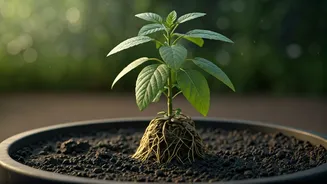
The final, and perhaps most essential, element is turmeric. While many in the West think of turmeric only as a golden powder in a spice jar, growing it is a multi-sensory experience. Planted in a wide, shallow pot, the turmeric rhizome sends up stunning, broad, bright green leaves that look almost like a canna lily. On a warm day, the leaves themselves release a faint, peppery, earthy fragrance that is unmistakably the scent of a spice kitchen. In many parts of India, these fresh leaves are used to wrap food for steaming, imparting a subtle, divine aroma. Growing turmeric connects a balcony garden directly to the kitchen and to the earth. The act of pulling a fresh rhizome from the soil you’ve tended is deeply satisfying. It represents self-sufficiency, health, and a connection to the very flavor of Indian cuisine. It’s not just a plant; it’s a living spice rack, an aromatic wonder, and a nod to the medicinal and culinary wisdom passed down through generations. It grounds the ethereal beauty of the ferns and hibiscus with a wholesome, earthy purpose.