





Meet the HVLP Model
It’s called the “high-value, low-price” (HVLP) model, and you’ve definitely seen its pioneers: Planet Fitness, with its signature purple and yellow, or the rapidly expanding Crunch Fitness. For as little as $10 a month—less than the cost of two oat milk
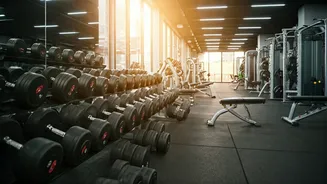
lattes—these gyms offer a clean, safe space filled with rows of cardio machines and basic strength-training equipment. The business strategy is simple but brilliant: strip away the expensive extras that drive up costs at traditional gyms. You won’t find pools, saunas, steam rooms, or fancy juice bars. Group fitness classes are often limited or available only with a premium membership tier. The focus is unapologetically on the essentials. By removing these high-overhead amenities, HVLP gyms can operate on razor-thin margins, relying on a massive volume of members to turn a profit. It's a numbers game, and it’s working.
The Psychology of a $10 Membership
The appeal goes deeper than just the price tag. In an era of subscription fatigue and persistent inflation, a low, predictable fitness cost is a major relief. But there's a powerful psychological component, too. The low barrier to entry removes the financial guilt associated with a pricey, underused gym membership. At $10 or $20 a month, many members see it as a low-risk investment in their potential health, even if they only go a few times. Furthermore, chains like Planet Fitness have built their brand on a “Judgement Free Zone” philosophy. This explicitly targets the 80% of Americans who don't belong to a gym, many of whom feel intimidated by the intense, body-focused culture of traditional fitness centers. By banning “lunk” behavior like dropping heavy weights and grunting, they create a welcoming environment for beginners, older adults, and casual exercisers who just want to move their bodies without feeling watched.
What You Gain and What You Give Up
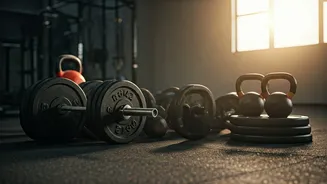
So, what’s the catch? It’s not so much a catch as a trade-off. If your fitness goals involve heavy powerlifting, you might be frustrated by the limited free weights and rules against dropping them. If you live for the community and energy of specialized classes like spinning, hot yoga, or CrossFit, the basic offerings at an HVLP gym won’t cut it. Personal training is generally less comprehensive and more of an add-on service rather than an integrated part of the experience. These gyms are designed for self-motivated individuals who are comfortable with a straightforward workout. You’re paying for access to equipment, not for a curated, high-touch wellness experience. For a significant portion of the population, that’s a deal they’re more than willing to make. They’re gaining consistency and accessibility while giving up perks they may never have used anyway.
Is This the Future of Fitness?
While boutique studios and luxury clubs will always have their place, the explosive growth of the HVLP sector signals a permanent shift in the market. This model has effectively democratized fitness. It's forced the entire industry to rethink its value proposition. Mid-tier gyms are now squeezed from both ends—unable to compete with the low prices of HVLP chains or the premium experience of high-end clubs. The trend also reflects a broader cultural change. After the pandemic pushed workouts into living rooms and parks, people became more resourceful and less willing to pay for things they don't use. The low-cost gym fits perfectly into this new, pragmatic approach to wellness. It’s not about transforming your body in six weeks; it's about providing a sustainable, affordable, and non-intimidating place to stay active.