



1. Beyond Bond-Building: The Peptide Revolution
For the last few years, “bond-building” has been the gold standard for repairing damaged hair, thanks to trailblazers like Olaplex. But the next evolution is already here, and it’s powered by peptides. Think of traditional bond-builders as a scaffold
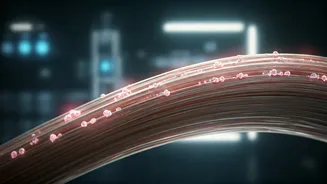
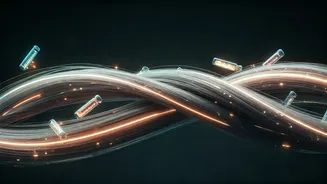
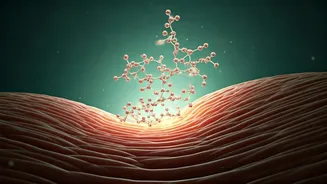
that patches up structural damage from the outside. Peptides, on the other hand, are like tiny biological messengers that can penetrate the hair cortex and communicate with its core keratin chains. Brands like K18 have popularized this concept with their patented peptide that mimics hair’s natural structure, reconnecting broken polypeptide chains on a molecular level. This isn't just coating the hair to make it feel better; it's a biomimetic approach that aims for genuine, lasting repair from the inside out. Instead of just preventing more damage, the goal of these next-gen treatments is to restore hair to a near-virgin state, making years of bleach and heat damage a problem that science can actually solve in minutes.
2. The Scalp Is Your New Skincare Obsession
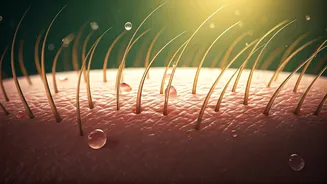
For too long, we’ve treated our scalps like an afterthought, scrubbing them with harsh sulfates and hoping for the best. The new science of haircare treats the scalp for what it is: skin. And just like the skin on your face, it has a complex ecosystem of microorganisms called a microbiome. A balanced scalp microbiome is crucial for healthy hair growth, preventing dandruff, and reducing inflammation. In the coming years, you’ll see haircare products formulated with prebiotics (food for good bacteria), probiotics (live beneficial bacteria), and postbiotics (beneficial compounds created by those bacteria). Shampoos, serums, and masks will be designed not just to clean hair, but to nurture the scalp’s delicate environment. Imagine using a “balancing toner” or a “probiotic serum” not for your face, but for your head. This “skinification” of hair means we’re finally addressing the root of the problem—literally.
3. AI and DNA: The End of Trial-and-Error
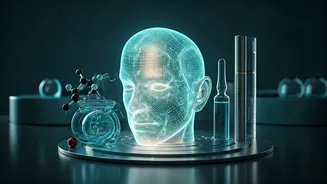
How many half-used bottles of shampoo for “oily roots, dry ends” do you have in your shower? The future of haircare is hyper-personalized, aiming to eliminate the guesswork. While brands like Prose and Function of Beauty pioneered this with online quizzes, the next phase goes much deeper. Companies are leveraging artificial intelligence to analyze vast datasets of hair types, ingredient efficacies, and even environmental factors like humidity and pollution in your zip code. The result is a formula that’s not just for “curly hair,” but for *your* specific curl pattern, porosity, and lifestyle. Some startups are even taking it a step further with at-home DNA test kits. By analyzing your genetic predispositions for things like hair thickness, graying, or hair loss, these services promise to create products that are biologically tailored to you. It’s the ultimate bespoke experience, moving from mass-produced solutions to a single, perfect formula made just for one person.
4. Lab-Grown Naturals and Bio-Fermentation
The tension between “clean and natural” and “clinically effective” is dissolving. Science is now providing a way to have both, often in a more sustainable way. Enter bio-fermentation and lab-grown ingredients. Instead of harvesting rare botanicals, scientists can now use yeast or bacteria as tiny factories to produce sought-after molecules like squalane, collagen, or hyaluronic acid. This process ensures purity, potency, and consistency that can be difficult to achieve with plant-derived extracts, which vary from harvest to harvest. It also sidesteps the environmental and ethical concerns associated with over-harvesting or using animal-derived ingredients (like traditional collagen). This isn't about creating “unnatural” chemicals; it’s about using biology to create nature-identical compounds in a controlled, sustainable setting. The result is high-performance haircare that is both scientifically advanced and eco-conscious.