
From Kimchi to Kombucha
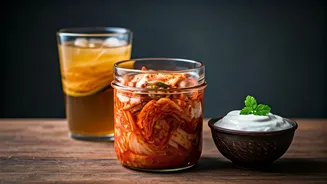
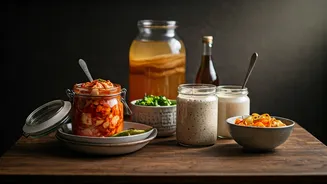
Walk down the refrigerated aisle of any modern grocery store, and you’ll see them: colorful jars of kimchi, fizzy bottles of kombucha, tubs of kefir, and artisanal sauerkraut that looks nothing like the stuff from a can. These are fermented foods, and they
are having a major moment. At its core, fermentation is a natural process where microorganisms like bacteria and yeast break down carbohydrates—like sugars and starches—into other compounds. It’s an ancient technique, used for thousands of years not for its health benefits, but for a much more practical reason: preservation. Before refrigeration, fermenting vegetables, dairy, and grains was one of the only ways to make food last through the winter. The process creates a natural acidity that prevents spoilage, all while creating bold, complex flavors—from the sour tang of yogurt to the spicy crunch of kimchi.
The Gut-Health Connection
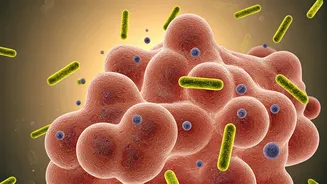
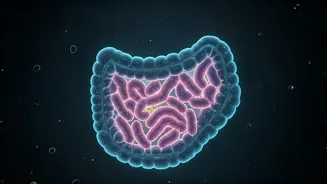
So why the sudden resurgence? The answer lies in our gut. The modern wellness conversation is dominated by the microbiome, the community of trillions of bacteria living in our digestive systems. A healthy, diverse microbiome is increasingly linked by researchers to everything from better digestion and a stronger immune system to improved mood and mental clarity. Fermented foods are a primary source of probiotics—live, beneficial bacteria that can help support and diversify that internal ecosystem. When you eat unpasteurized sauerkraut or drink a glass of kefir, you’re introducing these helpful microbes into your system. While the science is still evolving and more research is needed to understand the full scope of benefits, the connection between a diet rich in fermented foods and positive health markers is strong enough to have propelled these foods from the cellar to the spotlight.
A Hunger for Authenticity
But the trend is about more than just probiotics. In an age of ultra-processed foods with ingredient lists a mile long, there’s a growing cultural desire for authenticity and simplicity. Fermented foods represent a return to whole, natural ingredients and time-honored techniques. Making your own sourdough starter or batch of sauerkraut is a hands-on, almost rebellious act against industrial food production. It connects us to our food in a tangible way. This movement also taps into a sense of nostalgia and a respect for ancestral wisdom. The realization that our great-grandparents were essentially practicing a form of food science in their kitchens without fancy equipment fosters a newfound appreciation for their resourcefulness. It’s a trend that feels grounded, sustainable, and deeply human in a way that a powdered supplement often doesn’t.
Grandma's Kitchen Was a Science Lab
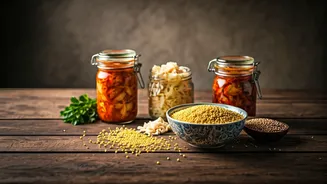
The core of this trend is the beautiful realization that what we now call a “health hack,” our grandparents just called “making food.” That crock of sauerkraut wasn’t a gut-health supplement; it was the only way to eat cabbage in February. The yogurt culture, passed down through generations, wasn’t a bio-hack; it was how you preserved milk. They weren't thinking about populating their gut flora; they were thinking about populating their pantry. Yet, in doing so, they stumbled upon a process that modern science is just now beginning to fully appreciate. This trend bridges the gap between old-world necessity and new-world wellness, reframing grandma’s practical advice as incredibly prescient. The funky, fizzy, and sour tastes we’re re-learning to love are the flavors of resilience and tradition.