

1. Dal: The Ultimate Comfort Soup
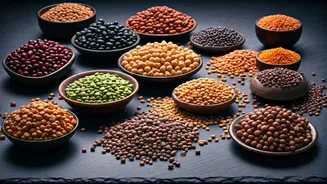
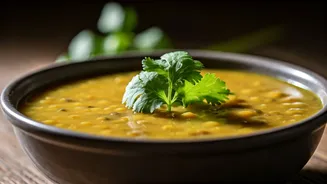
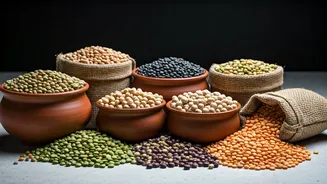
If there's one dish that defines Indian home cooking, it's dal. At its core, dal is a simple soup or stew made from lentils or split pulses. Don't let its simplicity fool you; it's a nutritional powerhouse, packed with protein and fiber. For many in Gen
Z exploring their culinary heritage or new global flavors, dal is the perfect entry point. The process is straightforward: boil lentils until soft, then temper them with a *tarka* (or *chaunk*)—a sizzle of hot oil or ghee infused with spices like cumin seeds, mustard seeds, turmeric, and garlic. The result is a profoundly comforting, savory dish that can be as thin as a soup or as thick as a stew. It’s the kind of food that feels like a hug in a bowl, perfect on its own or served with a side of rice.
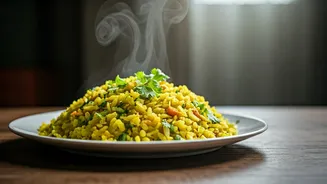
2. Khichdi: The One-Pot Wonder
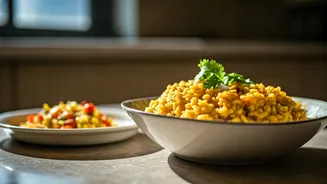
Often described as the Indian equivalent of chicken noodle soup, khichdi is the go-to meal for comfort and recovery. It’s a gentle, one-pot dish made by cooking rice and lentils (usually moong dal) together until they form a soft, porridge-like consistency. Its appeal lies in its digestibility and minimalist flavor profile, which can be easily customized. A basic khichdi might be seasoned with just turmeric and salt, but you can elevate it with ginger, green chilis, and a handful of vegetables like peas and carrots. Topped with a spoonful of ghee, it’s a complete meal that’s both cleansing and deeply satisfying. Its resurgence is driven by a wellness-focused generation looking for meals that are restorative without sacrificing flavor.
3. Sabzi: Everyday Vegetable Stir-Fry
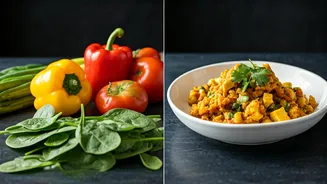
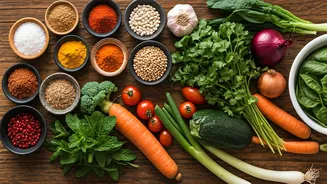
Sabzi isn't a single recipe but a method—and that's its genius. It simply refers to a dish of cooked vegetables. For the home cook, this means endless variation based on what’s seasonal, affordable, and in the fridge. A simple *aloo gobi* (potato and cauliflower) or *bhindi masala* (spiced okra) can come together in under 30 minutes. The technique is typically to heat oil, toast some whole spices like cumin seeds, sauté onions and garlic, add turmeric and other ground spices, then toss in your chopped vegetables and cook until tender. It’s a fantastic way to eat more vegetables and learn the fundamentals of Indian spice pairing. For a generation tired of sad salads, a vibrant, flavorful sabzi is a game-changer for weeknight meals.
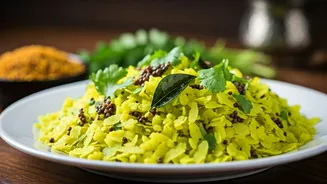
4. Poha: The 15-Minute Breakfast
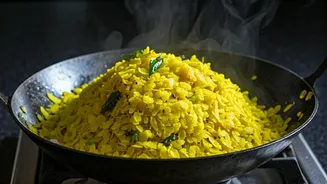
Move over, avocado toast. Poha is a classic Indian breakfast that’s fast, light, and incredibly tasty. It’s made from flattened rice flakes that are quickly rinsed and then stir-fried with onions, mustard seeds, turmeric, and often peanuts or fresh cilantro. The rice flakes are feather-light and absorb the flavors beautifully without becoming heavy or greasy. The entire dish can be prepared in about 15 minutes, making it an ideal choice for busy mornings. It's gluten-free, vegan-friendly (if you skip the ghee), and provides a gentle energy boost without the crash. It’s the kind of simple, clever cooking that resonates with people looking for practical yet exciting meal options.
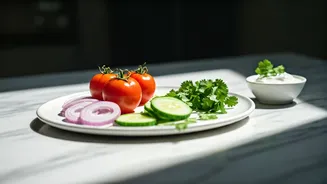
5. Raita: The Cooling Yogurt Side
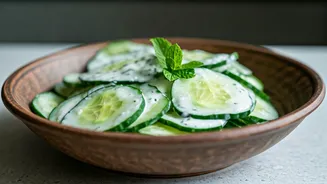
Raita is the simple, cooling counterpoint to the warmth of Indian spices. This yogurt-based side dish is essential to a balanced Indian meal and is unbelievably easy to prepare. At its most basic, it’s just yogurt whisked with a little water, salt, and perhaps some roasted cumin powder. From there, you can customize it by adding finely chopped cucumber, tomato, and onion for a classic vegetable raita, or even fresh mint. Raita serves as a digestive aid and helps temper the heat of spicier dishes. For home cooks, it's a no-cook recipe that adds a layer of texture and flavor, demonstrating the Indian principle of balancing tastes—hot, cool, spicy, and mild—in a single meal.