




1. Provide a Nursery with Host Plants
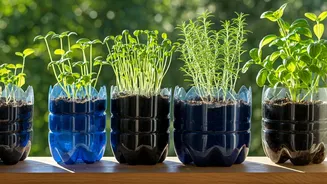
The single most important thing you can do for butterflies is to plant 'host plants.' These are the specific plants that female butterflies lay their eggs on, and the only food their caterpillars can eat. While colorful flowers feed the adults, host plants create
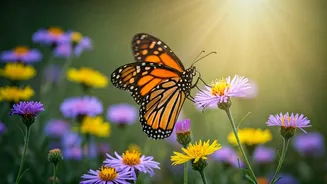
the next generation. For the iconic Monarch butterfly, the only host plant is milkweed (Asclepias species). For Black Swallowtails, try planting parsley, dill, or fennel. A quick search for 'butterfly host plants for [your state]' will give you a list of native options that support local species. Even one or two host plants in a pot can become a vital nursery.
2. Create a Nectar Buffet
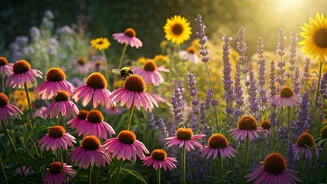
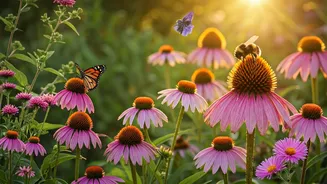
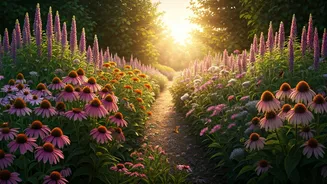
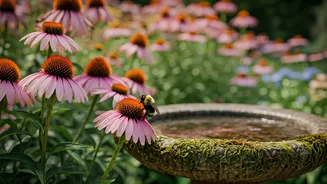
Adult butterflies need fuel, and that fuel is nectar. To attract a wide variety of visitors, plant a mix of flowers that bloom from spring through fall. Butterflies are drawn to bright colors, especially purple, yellow, orange, and red. Excellent, easy-to-grow choices for containers or small plots include Zinnias, Coneflowers (Echinacea), Black-eyed Susans, and Salvia. Grouping them together in clusters makes them more visible from the air than single, scattered plants. Think of it as putting up a big, colorful 'Open' sign for every butterfly flying by.
3. Offer a Place to Rest and Sip
Butterflies need more than just food. They need safe places to rest and regulate their body temperature. A flat, sun-drenched stone placed in or near your garden provides a perfect basking spot. They also need water, but they can't drink from open water sources like bird baths. Instead, they 'puddle.' You can create a puddling station by filling a shallow dish with sand and small pebbles, then adding just enough water to keep the sand moist. The butterflies will land on the pebbles and sip the mineral-rich water from the damp sand.
4. Ditch the Pesticides, Embrace the 'Pests'
A successful butterfly garden is, by definition, one that gets eaten. Remember, those caterpillars munching on your dill or milkweed leaves are the very creatures you’re trying to attract. Using pesticides, even organic ones, can be lethal to eggs and larvae. A healthy garden ecosystem will attract beneficial insects like ladybugs that can help control unwanted pests like aphids. Embrace a little imperfection; a few chewed leaves are a sign of success, not failure. It means your urban oasis is a functioning habitat.
5. Maximize Your Small Space
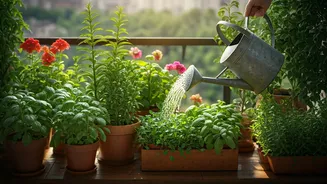
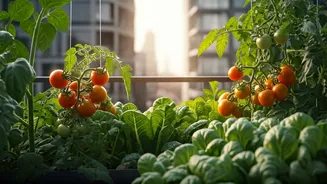
You don't need a sprawling yard to make a difference. A sunny balcony, a small patio, or even a window box can become a powerful pollinator pit stop. Choose containers of various sizes to add depth and interest. Use vertical space with hanging baskets or trellises for climbing nectar sources like certain honeysuckles or passionflowers. The key is concentrating resources. A dense, flower-packed container garden is more attractive to a butterfly than a few sparse plants spread across a large, empty yard. It creates a one-stop shop for feeding, resting, and laying eggs, making your small space a high-value destination.