




The New Weekend Itinerary
In India’s bustling cities, the weekend getaway is a cherished institution—a pressure-valve release from the grind of urban life. For decades, the formula was predictable: a quick trip to a nearby hill station, a popular beach, or a historical site. But
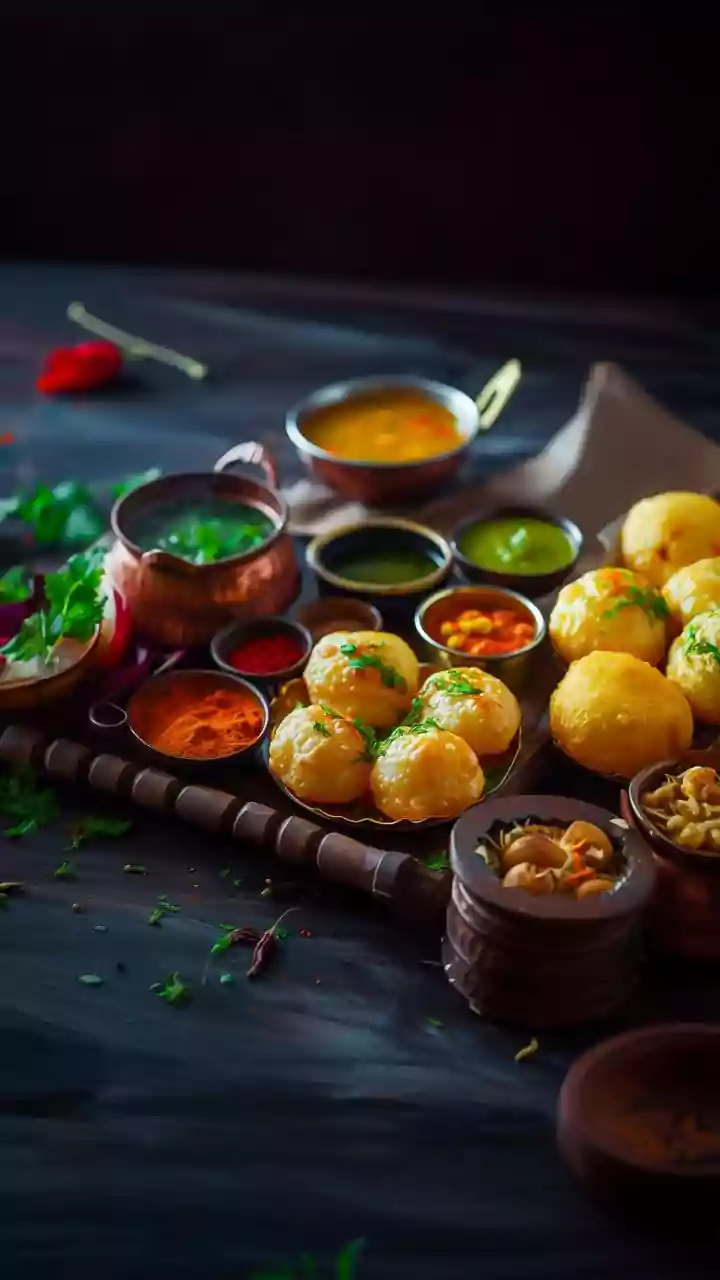
that’s changing. Today, an increasing number of young professionals and families are planning their trips not around landmarks, but around menus. They’re seeking out “food-cations”—short, immersive trips designed to explore a region's unique culinary identity. This isn’t just about visiting a city known for a famous dish. It’s a deeper, more intentional form of travel. These escapes are often just two or three days long, hyper-focused on a single theme: tracking down the best seafood along the Konkan coast, learning the secrets of spice-blending in a Chettinad kitchen, or exploring the farm-to-table journey of coffee beans in Coorg. The destination is the flavor, and the itinerary is a tasting trail.
What's Driving the Appetite?
Several factors are fueling this shift. India’s rising middle class has more disposable income and a growing desire for experiences over possessions. After years of pandemic-related restrictions, travelers are craving authenticity and connection, which they’re finding in the stories behind their food. This new generation of travelers, armed with Instagram and a hunger for novel content, sees food as a vibrant entry point into local culture. Travel companies have been quick to respond. Online travel agencies report a significant uptick in searches for “culinary tours” and “agri-tourism.” Specialized operators are curating bespoke experiences, from guided street food walks in Old Delhi to stays at Goan farms where guests can learn to cook traditional Vindaloo from a family matriarch. It’s a move away from the standardized, cookie-cutter tourism of the past and toward something more personal, local, and deeply memorable.
A Taste of Authenticity
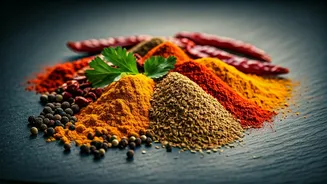
So, what does one of these food-led escapes look like? In the western state of Maharashtra, it might mean spending a weekend at a vineyard near Nashik, India’s wine capital, participating in grape-stomping and wine-pairing sessions. In the southern hills of Kerala, it could be a stay at a spice plantation, waking up to the aroma of cardamom and cinnamon and learning how these spices are grown and processed. In Rajasthan, travelers are bypassing the main forts to explore the culinary heritage of former royal families, learning to prepare elaborate dishes in centuries-old havelis. In Punjab, it's about getting your hands dirty at a farm, enjoying rustic, farm-fresh meals cooked over an open fire. These experiences are tactile and sensory. They’re about connecting with the land, the people who cultivate it, and the traditions that have shaped its flavors for generations.
More Than Just a Meal
Ultimately, this trend is about more than just satisfying a craving. It represents a fundamental shift in what travelers value. The focus on food provides a direct and accessible path to understanding a region’s history, geography, and social fabric. A simple dish can tell a story of trade routes, migration patterns, and agricultural cycles. For the communities hosting these travelers, it creates a sustainable economic model that celebrates and preserves local culture rather than erasing it. Small-scale farmers, local artisans, and family-run guesthouses are finding new avenues for income. Travelers, in turn, leave with more than just a full stomach; they gain a genuine appreciation for the place they visited. They are no longer passive tourists consuming a destination, but active participants in its living culture.