






The Himalayan Anti-Highlight Reel
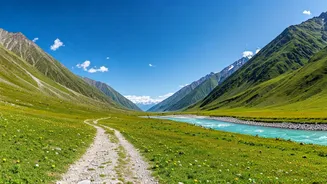
In a world where every picturesque spot is geotagged into oblivion, Jibhi and Tirthan Valley offer something increasingly rare: quiet authenticity. Located in the Kullu district, these valleys are the antithesis of their bustling neighbors, Shimla and Manali.
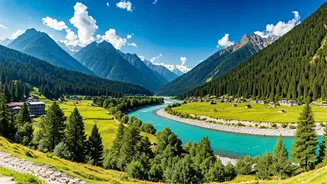
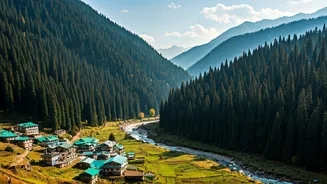
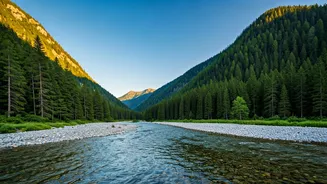
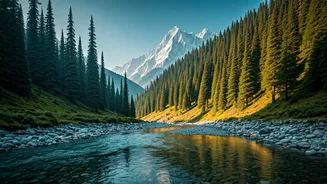
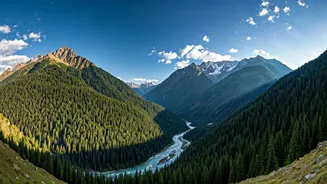
There are no sprawling malls, no traffic-choked main streets, and no aggressive touts. Instead, you'll find winding roads flanked by deodar cedar trees, the constant murmur of the Tirthan River, and villages where traditional wood-and-stone houses seem to grow out of the hillsides. This is 'slow travel' personified—a place where the main agenda is to disconnect from your devices and reconnect with the rhythm of the mountains. The vibe is less about checking off a list of sights and more about soaking in a state of being.
Tirthan Valley: A UNESCO Gateway
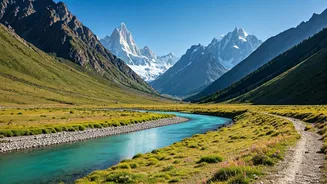
Tirthan Valley is named after the pristine river that flows through it, its waters so clear you can see the smooth stones on its bed. The valley’s claim to fame is its role as the gateway to the Great Himalayan National Park, a UNESCO World Heritage Site. This protected area is a bastion of biodiversity, home to elusive creatures like the snow leopard and the Himalayan brown bear. While you might not spot the park's shyest residents, you can easily spend your days on its fringes. Go trout fishing in the river (you’ll need a permit, which is easily arranged), trek to stunning hidden waterfalls, or simply find a riverside boulder to read a book. The air here feels cleaner, the greens look greener, and the silence is punctuated only by birdsong and flowing water. It's a sanctuary in the truest sense of the word.
Jibhi: The Fairytale Hamlet
A short, scenic drive from Tirthan Valley lies Jibhi, a hamlet that feels straight out of a storybook. With its cluster of cozy wooden guesthouses, riverside cafes, and an iconic multi-story 'treehouse,' Jibhi is a bit more consolidated than Tirthan but has lost none of its rustic charm. It’s the perfect base for exploring the surrounding high-altitude wonders. A popular day trip is the drive up to Jalori Pass, a 10,499-foot mountain pass that offers panoramic views of the snow-capped peaks. From the pass, it's a gentle hike to Serolsar Lake, a serene high-altitude body of water surrounded by thick forest. Another must-see is the traditional Chehni Kothi, a towering Kath-Kuni style fort-temple that showcases the region’s unique architectural heritage.
Why June Is The Sweet Spot
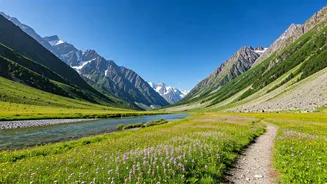
June is the perfect month to visit these valleys. While the plains of North India are baking in oppressive summer heat, Jibhi and Tirthan enjoy a blissful, temperate climate. Daytime temperatures hover in the comfortable 70s Fahrenheit, with bright sunshine perfect for hiking and exploring. The nights are crisp and cool, ideal for a bonfire. Crucially, June falls just before the monsoon season arrives in July, meaning you get clear skies and lush, green landscapes without the persistent rain that can cause landslides and disrupt travel later in the summer. The valleys are vibrant with wildflowers, and the rivers are full but not yet raging, making it the absolute sweet spot in the travel calendar.
The Practicalities: Getting and Staying There
For American travelers, the journey is part of the adventure. The most common route is to fly into New Delhi (DEL). From there, you can take an overnight bus or hire a car for the 10- to 12-hour drive to the town of Aut, the turn-off point for the valleys. Alternatively, you can take a short domestic flight to Bhuntar Airport (KUU) near Kullu, which is much closer. Accommodations are primarily charming homestays and guesthouses run by local families, which offer an authentic experience and delicious home-cooked meals. Don’t expect five-star luxury; Wi-Fi can be spotty and power cuts are not unheard of. But what you trade in amenities, you gain tenfold in hospitality, peace, and unparalleled natural beauty.