






From Calorie Burning to Connection
For years, the fitness narrative was dominated by intensity: high-impact training, personal bests, and a 'no pain, no gain' philosophy that often made exercise feel like a solitary chore. But a cultural shift is underway, accelerated by a collective desire
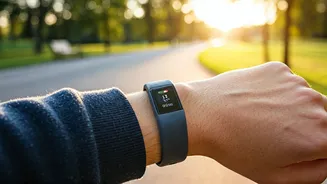
for community and mental well-being in a post-pandemic world. Enter the social walk. It reframes exercise not as a punishment for what you ate, but as an opportunity for self-care and connection. The focus has moved from simply logging steps on a fitness tracker to embracing low-impact movement that nourishes both body and mind. This isn't about peak performance; it's about consistency, conversation, and finding joy in the simple act of putting one foot in front of the other, preferably with a friend.
The Rise of the 'Hot Girl Walk'
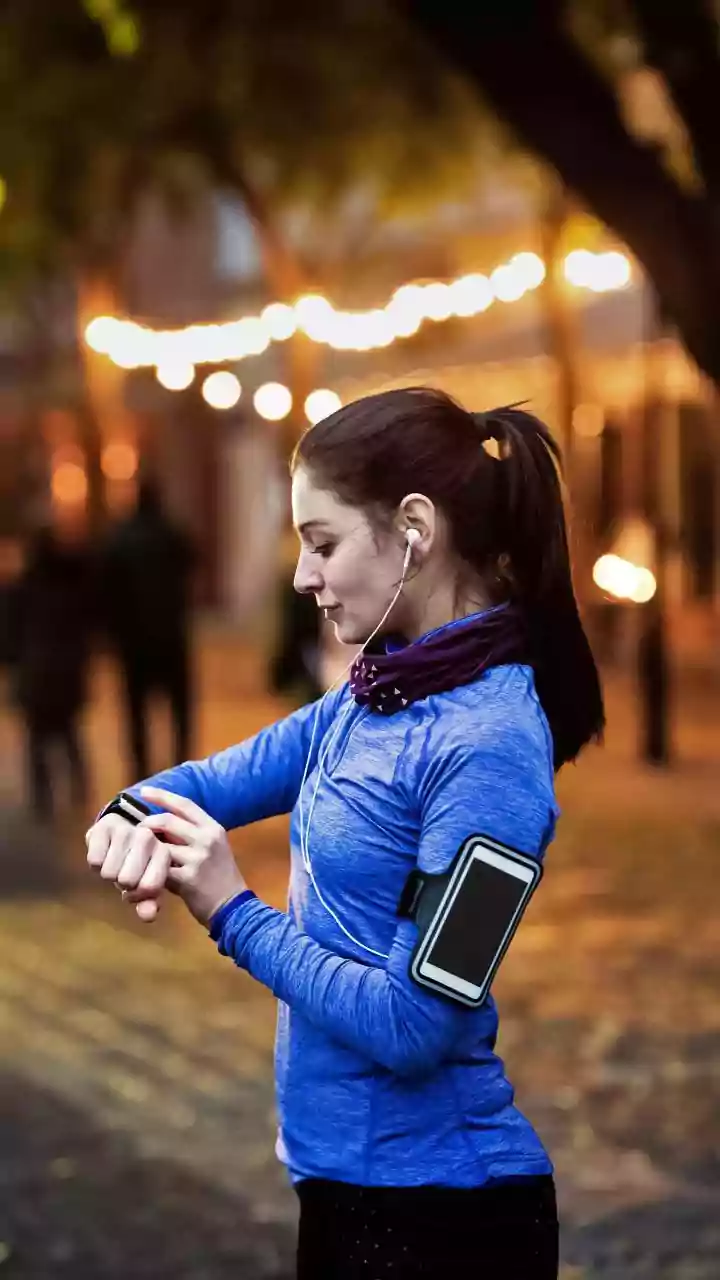
If you've spent any time on social media, you've likely encountered the 'hot girl walk.' Coined by TikTok creator Mia Lind, the term went viral for its empowering and accessible approach. But it’s not about looking a certain way. A 'hot girl walk' is a mindful stroll of a few miles where you focus on only three things: what you're grateful for, your personal goals, and how 'hot' you are (in a self-confidence sense). It’s often accompanied by an inspiring podcast or a perfectly curated playlist. The trend stripped away the intimidating parts of fitness and replaced them with gratitude and empowerment. It gave people a blueprint for turning a simple walk into a powerful mental health ritual, and its social media visibility made it a shared, communal experience even when done alone. It demonstrated that fitness could be about feeling good, not just looking good.
How to Find Your Stride (and Your People)
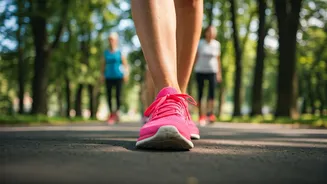
The beauty of social walking is its low barrier to entry. You don't need fancy gear or a special location. The easiest way to start is to simply invite a friend, neighbor, or coworker to join you. Turn a coffee date into a walk-and-talk. If you're looking to build a new community, walking clubs are popping up in cities everywhere. A quick search on platforms like Meetup or in local Facebook groups can reveal dozens of options, from brisk morning power-walking groups to leisurely evening stroll clubs. Apps like Strava, once the domain of serious cyclists and runners, now have features for tracking walks and joining group challenges. You can also start your own informal group. A simple text to a few friends—'Weekly walk, anyone? Tuesdays at 6 p.m.'—is often all it takes to get a new social fitness tradition started.
A Trend with Staying Power
While viral trends can be fleeting, the move toward social walking is built on a foundation of proven benefits that give it lasting appeal. Physically, walking is a fantastic low-impact cardiovascular exercise that improves heart health, aids in weight management, and strengthens bones without stressing the joints. Mentally, walking in nature has been shown to reduce stress and anxiety. But the social component is the real game-changer. Studies have consistently shown that social connection is a critical component of long-term health and happiness. By combining physical activity with genuine human interaction, social walking addresses two fundamental needs at once. It’s a sustainable habit that feels less like a workout and more like a rewarding part of your day, making you far more likely to stick with it for the long haul.