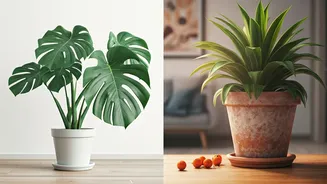








The Primary Concern: Pets and Plants
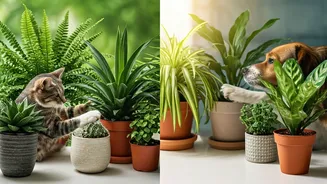
For many, the biggest safety question revolves around furry family members. Cats and dogs, driven by curiosity or boredom, are notorious for nibbling on things they shouldn’t. While many plants are harmless, some common favorites pose a significant risk.
The American Society for the Prevention of Cruelty to Animals (ASPCA) maintains an extensive database for a reason. Lilies (of the Lilium and Hemerocallis genera) are famously and catastrophically toxic to cats, with even a small amount of pollen or a lick of the vase water potentially causing kidney failure. For dogs, the Sago Palm is a major danger, as all parts of the plant are highly toxic and can lead to liver failure. Other popular plants like Philodendrons, Pothos, and ZZ plants contain calcium oxalate crystals, which cause painful irritation of the mouth, tongue, and throat, leading to drooling and vomiting. While rarely fatal, they cause significant discomfort. The key is knowing which plants you own and checking their status. If you have pets, it’s always safest to place potentially toxic plants on high shelves or in rooms they can’t access.
Safe Swaps for Pet Owners
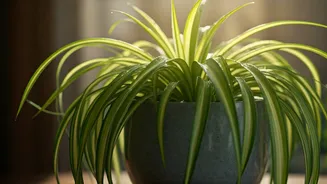
Giving up on greenery isn't the answer. There are hundreds of beautiful, non-toxic plants that are completely safe for cats and dogs. Instead of a potentially problematic Pothos, consider a Spider Plant (Chlorophytum comosum), which is safe and even produces “pups” that are easy to propagate. Instead of a finicky Fiddle-Leaf Fig, try a Prayer Plant (Maranta leuconeura) or a Calathea, both renowned for their stunning, pet-safe foliage. Other excellent choices include the Parlor Palm (Chamaedorea elegans), Boston Fern (Nephrolepis exaltata), and the entire family of succulents like Haworthia and Echeveria. Before bringing any new plant home, a quick search of the ASPCA's plant list can provide immediate peace of mind and help you cultivate a jungle that’s as safe as it is stylish.
The Risk for Young Children
Toddlers and young children explore the world with their hands and mouths, making houseplants a potential hazard. The good news is that most incidents of plant ingestion in children result in minor symptoms, if any. However, some plants can cause serious problems. The Dumb Cane (Dieffenbachia), for example, contains the same calcium oxalate crystals as Philodendrons but in higher concentrations. Chewing on its leaves can cause intense pain, swelling of the mouth and throat, and a temporary loss of speech, which is how it earned its name. Similarly, the Peace Lily, while beautiful, is also toxic if ingested. The best defense is a good offense: educate yourself on the plants in your home and place any questionable ones well out of reach of tiny hands. Keep the phone number for the Poison Control hotline (1-800-222-1222) in an accessible place, just in case.
Beyond Toxicity: Allergies and Mold
Safety isn't just about toxicity. For allergy sufferers, indoor plants can introduce other issues. The soil itself is the most common culprit. Overwatering can create the perfect damp environment for mold to thrive, releasing spores into the air that can trigger allergic reactions or asthma symptoms. The solution is simple: allow the top inch or two of soil to dry out between waterings and ensure your pots have good drainage. The leaves of your plants can also act as dust magnets. Large, glossy leaves on a Monstera or Rubber Plant can accumulate a surprising amount of dust, another common allergen. Wiping the leaves down with a damp cloth every few weeks not only helps keep allergens at bay but also improves the plant's ability to photosynthesize, making it a win-win for your health and its.