





The Rise of Low-Stakes Socializing
For years, the weekend was defined by a sort of social performance. It was about seeing and being seen at crowded bars, securing coveted dinner reservations, and documenting it all online. But a gentle rebellion is underway. Across the country, people
are trading expensive, high-energy outings for something far more restorative: low-stakes, high-comfort gatherings at home. This isn’t just about saving money, though that’s certainly a factor. It’s a deliberate response to burnout culture. Our weeks are filled with demands, deadlines, and digital noise. The last thing many of us want is a weekend that feels like another item on a to-do list. Instead, we’re craving genuine human connection without the performance, the logistics, and the hundred-dollar bar tab. The new social currency isn’t exclusivity; it’s authenticity.
Why Noodle Nights Rule the Weekend
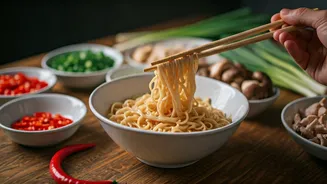
At the heart of this movement is the “noodle night.” Picture this: a few friends gathered in a kitchen, the air fragrant with simmering broth. On the counter, an array of toppings—sliced scallions, soft-boiled eggs, chili crisp, fresh herbs, rotisserie chicken. Everyone builds their own perfect bowl of ramen, pho, or pasta. The beauty of the noodle night is its communal and customizable nature. It’s a shared activity, not just a meal. There’s no pressure for the host to be a gourmet chef. In fact, it often works best as a potluck, with one person bringing the noodles, another the broth, and others a variety of toppings. It elegantly solves the problem of catering to different dietary needs and preferences. It’s interactive, inherently casual, and centers on the deeply satisfying, universal comfort of a good bowl of noodles. It’s a dinner party, minus the anxiety.
The Art of the Coffee Social
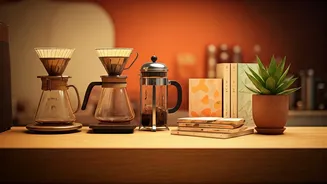
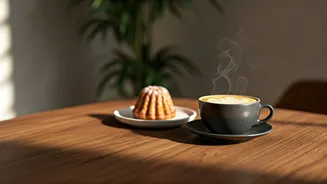
If noodle night is the new Saturday evening, the “coffee social” is the new Sunday brunch. Forget long waits, overpriced mimosas, and shouting over a loud restaurant playlist. The coffee social is a relaxed, daytime gathering that can be as simple as it sounds: good coffee and good conversation. It’s the perfect low-barrier-to-entry event. It can last 45 minutes or three hours. It can happen on a porch, in a living room, or in a backyard. The only requirement is a decent pot of coffee (or tea) and maybe a simple pastry or two from a local bakery. This format strips socializing down to its essence. Without the structure of a formal meal or the energy of an evening event, the focus shifts entirely to the people. It’s a chance to actually catch up, to listen, and to connect on a more meaningful level.
How to Host Without the Hassle
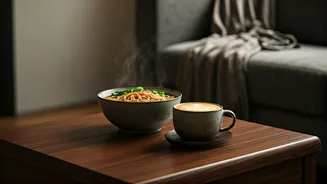
Embracing this style of entertaining is more about a shift in mindset than a mastery of hosting skills. The first rule is to release the pressure for perfection. A perfectly clean house or an elaborate menu isn’t the point. Comfort and connection are. Second, make it collaborative. Use the magic word: “potluck.” Asking guests to contribute a component—a topping for the noodles, a bag of their favorite coffee beans, a simple dessert—turns the event from a performance into a shared effort. It lowers the burden on the host and makes everyone feel more invested. Finally, focus on the atmosphere. Create a great playlist. Light a few candles. Put your phone away. The goal is to create a small pocket of the world where your guests can relax and feel genuinely welcome. The best hosts aren't the ones with the fanciest homes; they're the ones who make their guests feel most at ease.