





1. The Digital Vibe Check
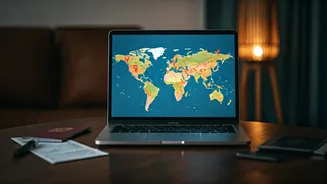
The glossy photos on a hotel’s website are marketing, not reality. The new flex is becoming a digital sleuth. This means going beyond TripAdvisor reviews and diving into more honest corners of the internet. Use Google Maps Street View to see what the hotel’s block
actually looks like. Is it next to a noisy construction site or a charming cafe? Search the hotel’s geotag on Instagram and TikTok, but sort by 'Recent' instead of 'Top'. This bypasses the polished influencer content and shows you real-time, unfiltered photos from average guests. You’ll get a much better sense of the crowd, the condition of the pool, and whether the 'ocean view' is actually a sliver of blue visible only if you lean out the window.
2. The True Cost Audit
That budget airline flight or too-good-to-be-true resort deal is often a financial Trojan horse. The savvy traveler knows the price you see is rarely the price you pay. The real flex is conducting a 'true cost audit' before you click 'confirm.' For flights, this means accounting for baggage fees (both checked and carry-on), seat selection charges, and even printing your boarding pass at the airport. For hotels, it’s about sniffing out the dreaded 'resort fees' or 'destination fees,' which can add $30-$100 per night for amenities you may not even use. A quick search of the hotel’s name plus 'resort fee' or a call to the front desk can save you a nasty surprise at checkout. Knowing your all-in cost isn't just smart; it's a power move.
3. The Reservation Gauntlet
Spontaneity is romantic, but showing up to a city’s hottest restaurant without a reservation is a rookie move. The planning pro knows that the best experiences often require advance booking, sometimes months in advance. The flex is running the reservation gauntlet and winning. This means knowing which apps to use (Resy, OpenTable, or a local equivalent), setting calendar alerts for when booking windows open (often 30-60 days out at midnight local time), and having your credit card ready. The same goes for popular museums, special exhibitions, and unique tours. Nailing down that impossible-to-get table or a timed-entry ticket to avoid a three-hour line is the kind of preparation that transforms a good trip into a great one.
4. The Transit Master Plan
Nothing screams 'tourist' like standing bewildered on a curb, phone in hand, trying to figure out how to leave the airport. The ultimate flex is having your arrival and local transit plan mapped out before you land. Is Uber common, or does a local rideshare app like Grab or Bolt dominate? Is there a clean, efficient train from the airport to the city center? If so, can you pre-purchase a ticket online? A prepared traveler knows the best route to their accommodation, the cost, and the estimated time. This simple bit of research saves money, eliminates stress, and makes you feel like a local from the moment you arrive. You’ll glide past the confused crowds with the quiet confidence of someone who did their homework.
5. The Documentation Deep-Check
In the post-pandemic world, simply having a valid passport isn't enough. The rules of entry are more complex than ever, and a small oversight can derail your entire trip. The most crucial flex is the documentation deep-check. First, check your passport's expiration date; many countries require it to be valid for at least six months *after* your planned departure date. Second, use an official source like the U.S. State Department website or the destination country's embassy page to verify visa requirements. Don't rely on a blog post from three years ago. Finally, check for any lingering health-related entry forms or apps that need to be completed before arrival. Getting this right isn't glamorous, but it’s the non-negotiable foundation of any successful trip.