

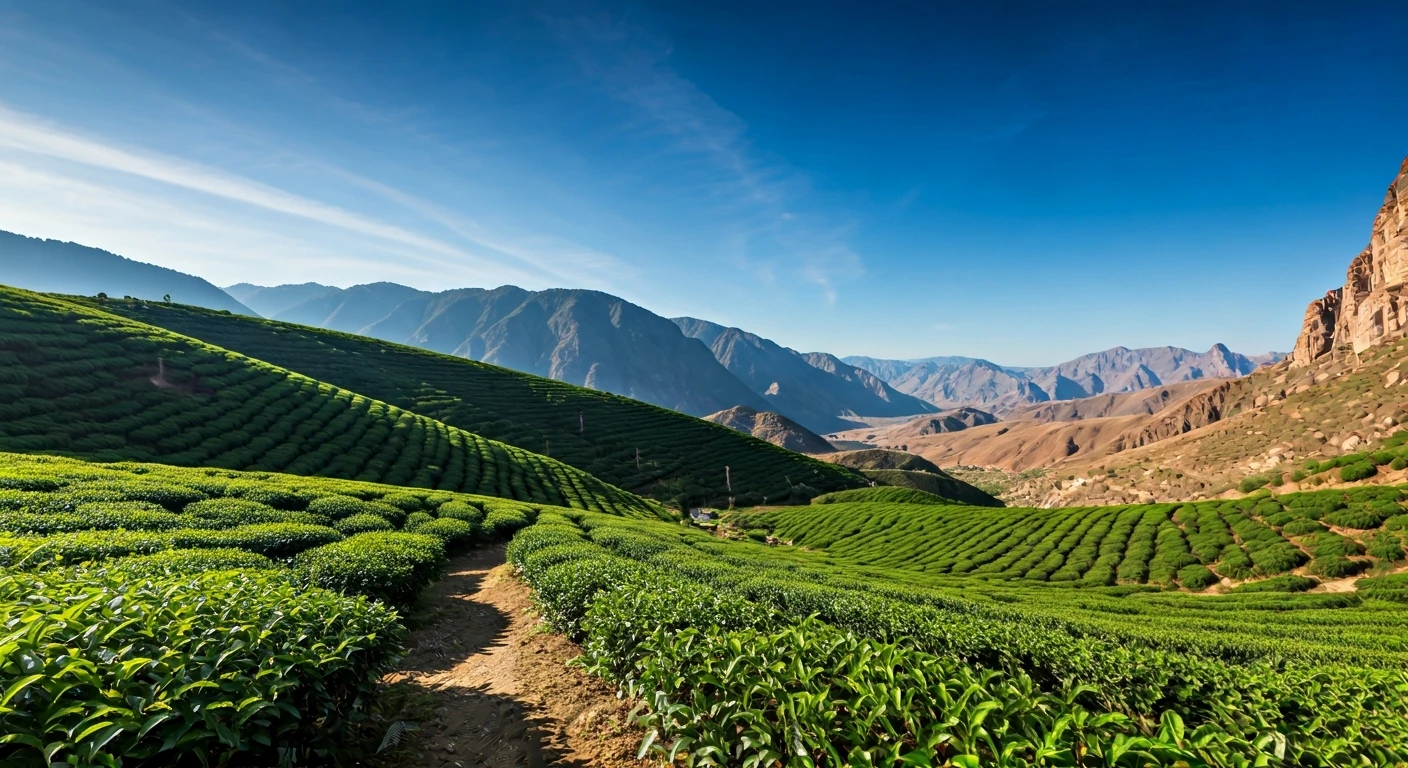
An Oasis in the Desert
In a state where summer temperatures regularly soar past 110°F (43°C), the very idea of a cool retreat seems like a mirage. But it's real. Tucked into the Aravalli Range, one of the world's oldest mountain ranges, is Mount Abu. At an elevation of nearly
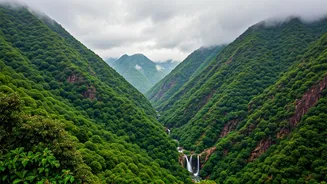
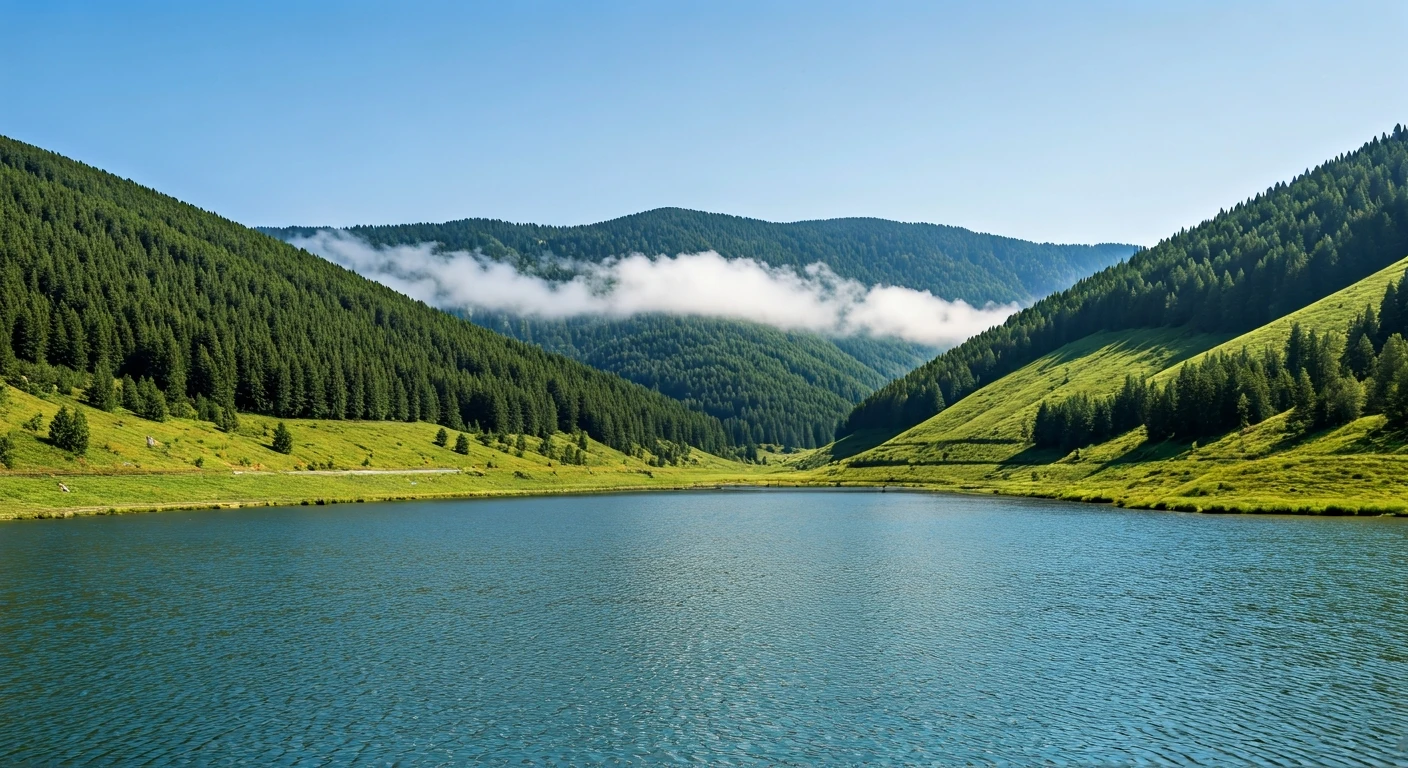
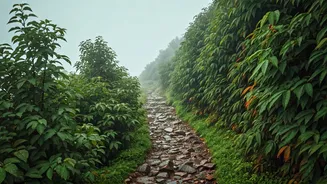
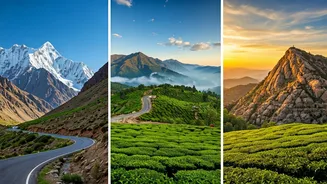
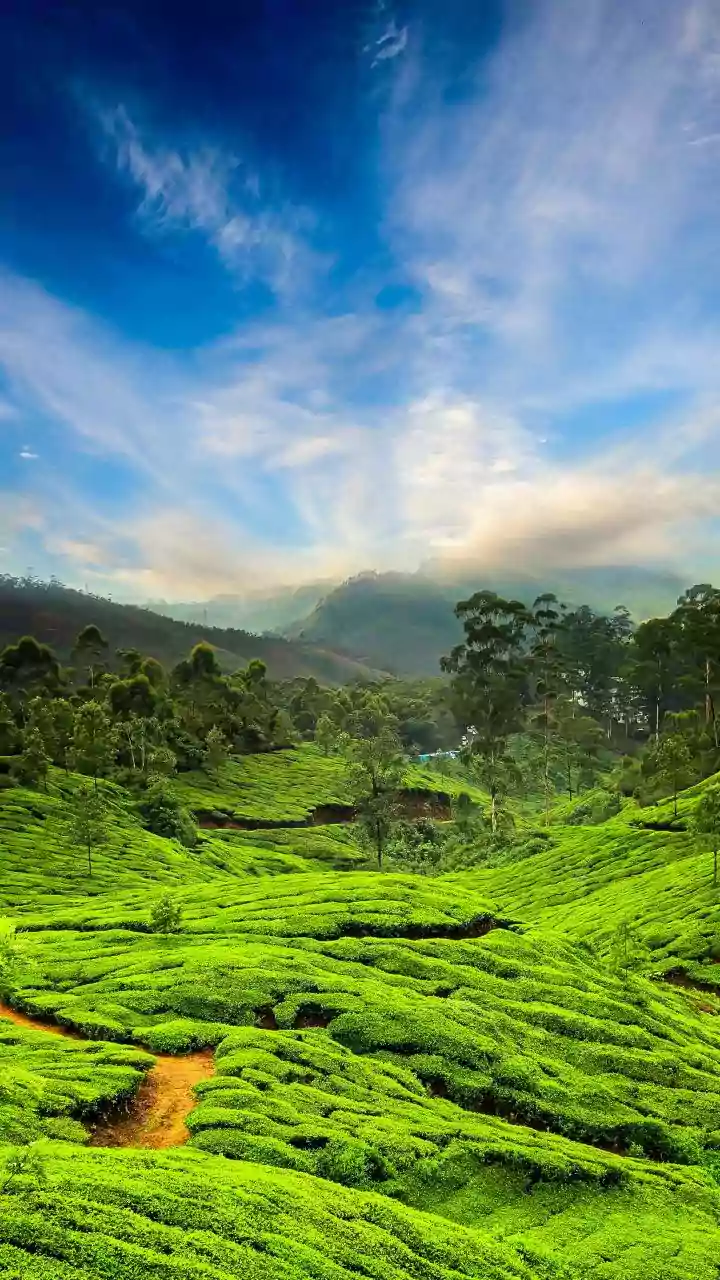
4,000 feet, it’s Rajasthan’s only hill station, a geographic and climatic anomaly that served as a summer capital for royalty and British officials seeking refuge from the oppressive heat of the plains. While cities like Jaipur and Jodhpur swelter, Mount Abu enjoys pleasant temperatures that hover in the 70s and 80s. This isn't just a place that’s *cooler* than the rest of Rajasthan; it’s a lush, green world away, boasting a serene lake, dense forests, and a distinctly different atmosphere.
The Heart of the Hills: Nakki Lake
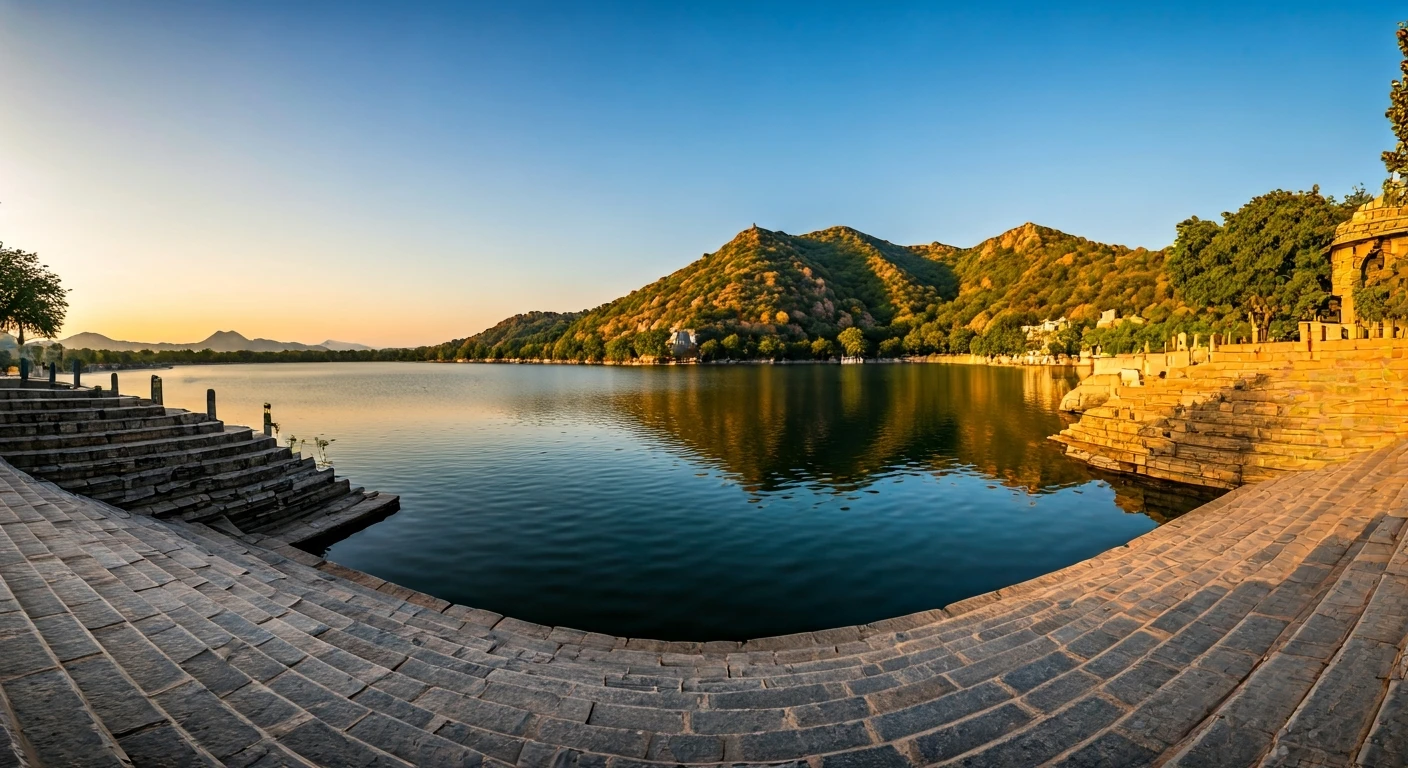
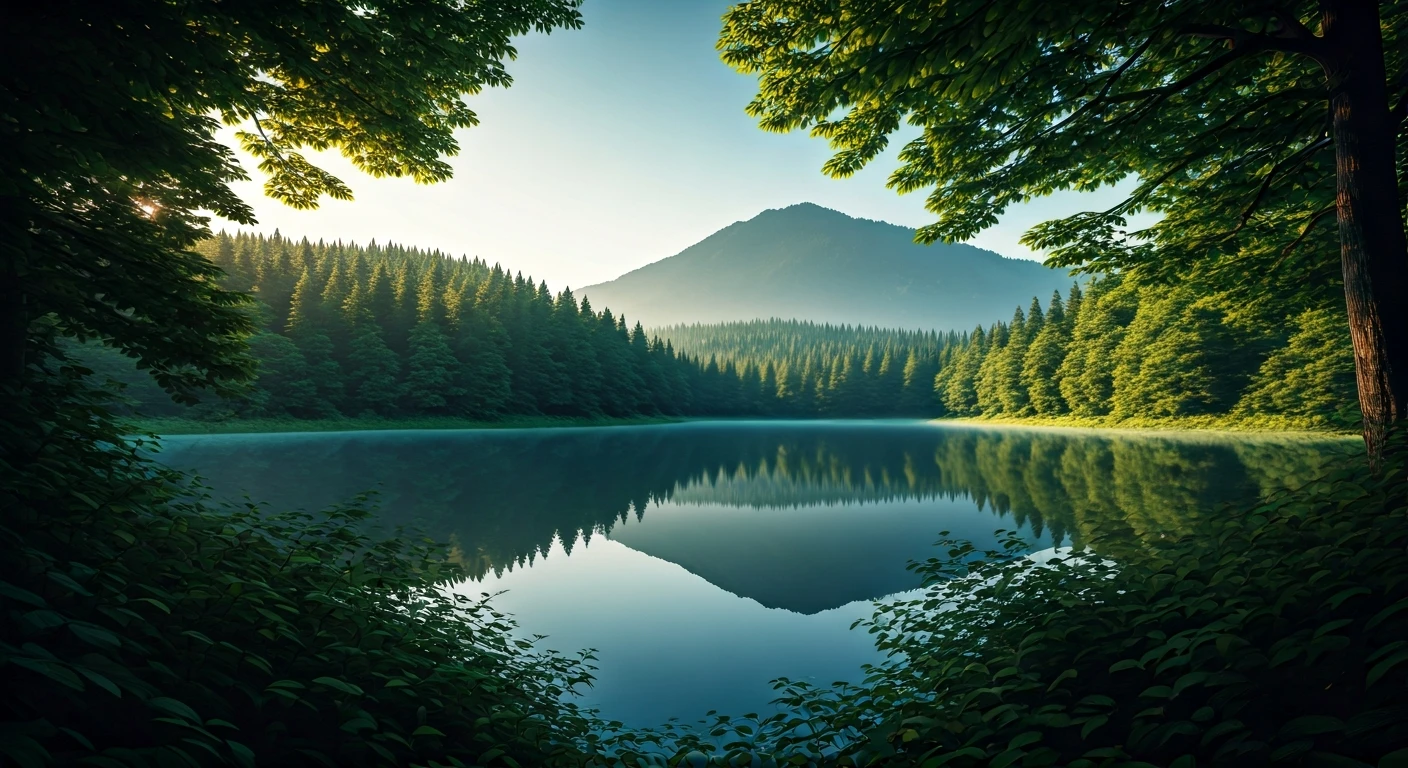
The centerpiece of Mount Abu is Nakki Lake, a man-made body of water with a mythological backstory—it’s said to have been dug by the gods with their fingernails (or *nakh*, hence the name). Today, it’s the social and recreational heart of the town. The path around the lake is a hub of activity, lined with vendors, small eateries, and hotels. Families and couples drift across the water in swan-shaped paddle boats, a classic hill station pastime. The lake is framed by rugged hills and peculiar rock formations, including the famous Toad Rock, which looks uncannily like a toad about to leap into the water. It’s a place for leisurely strolls, ice cream, and watching the sunset paint the sky, a tranquil counterpoint to the epic scale of Rajasthan’s forts and palaces.
A Masterpiece Carved in Marble
While the cool climate is the initial draw, Mount Abu’s cultural crown jewel is the Dilwara Temples. From the outside, their simple white facade gives no hint of the jaw-dropping artistry within. Built between the 11th and 13th centuries, these five Jain temples are world-renowned for their stunning use of marble. The intricacy of the carvings is almost beyond belief. Every surface—from the ceilings to the pillars—is covered in lace-like patterns, delicate figures of deities, and elaborate mythological scenes. The ceilings of the Vimal Vasahi and Luna Vasahi temples, in particular, are masterpieces of sculptural art, featuring central pendants that appear to be carved from a single block of marble. It’s a testament to devotion and craftsmanship that feels both grand and deeply intimate, demanding quiet contemplation.
Views from the Top
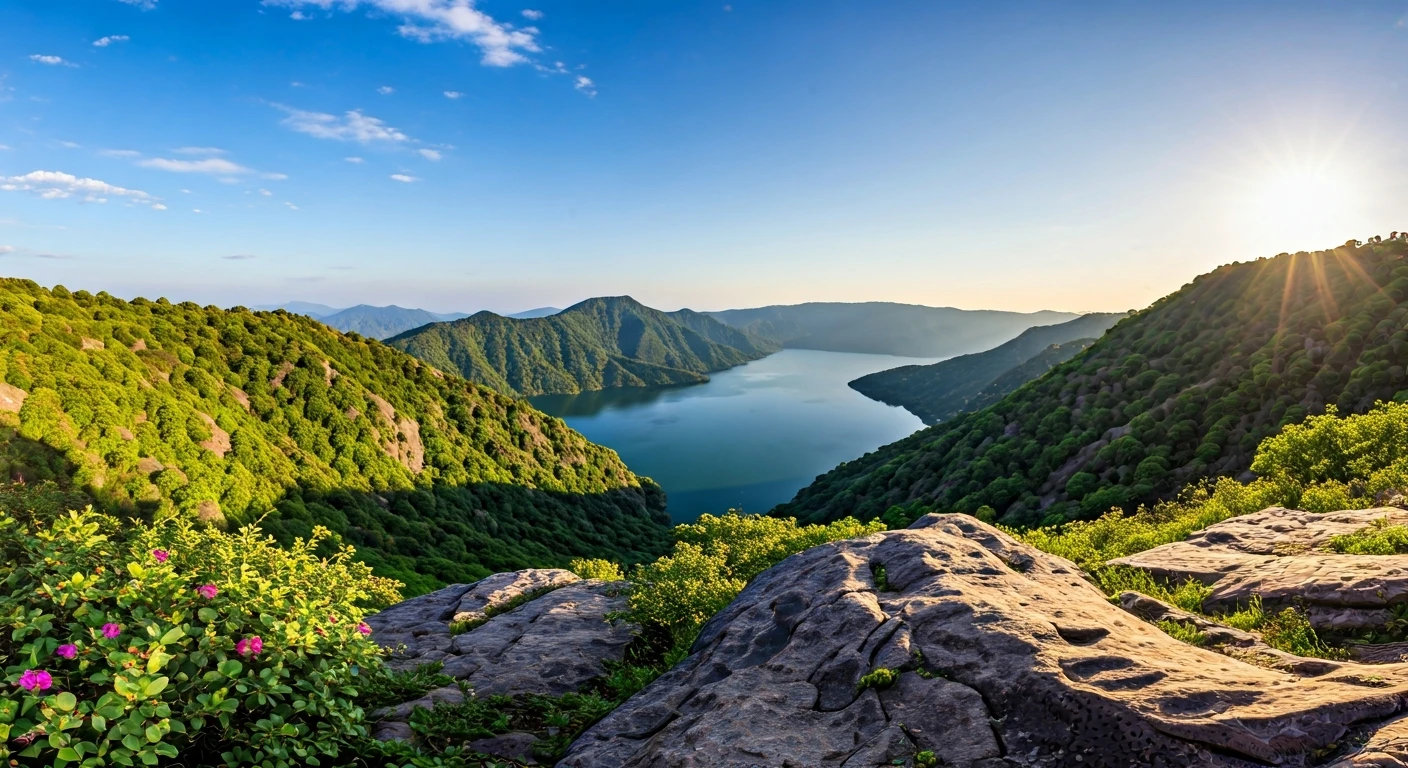
For those seeking panoramic views and a bit of a trek, Guru Shikhar is the ultimate destination. As the highest point in the Aravalli Range, sitting at 5,650 feet, it offers a breathtaking perspective of the surrounding landscape. The drive up is a scenic journey through winding roads, and the final ascent involves climbing a few hundred steps. At the summit, you’ll find a small temple dedicated to Dattatreya, an incarnation of the Hindu trinity of Brahma, Vishnu, and Shiva. But the real reward is the view: a sweeping vista of the hills and plains stretching out below. On a clear day, you can see for miles, gaining a true appreciation for Mount Abu’s unique position as an island of green in a sea of arid land.
The Hill Station Vibe
Beyond its specific sights, Mount Abu has a character all its own. It's a blend of spiritual pilgrimage site, honeymoon hotspot, and family vacation town. The main market is a bustling, chaotic, and colorful place to shop for souvenirs, from Rajasthani textiles to wooden handicrafts. Colonial-era bungalows and royal holiday homes peek out from behind stone walls, reminders of the town's history as an escape for the elite. The air feels different here—not just cooler, but filled with the sounds of temple bells, the chatter of vacationers, and the scent of pine and eucalyptus. It’s a place to slow down, to trade the intensity of the desert for the calm of the mountains.