





The Fading Allure of Strict Rules
For years, the wellness landscape was a battlefield of competing diet tribes. You were either Team Keto, Team Paleo, or Team Atkins, each with a strict set of non-negotiable rules. Cutting carbs, eliminating grains, or fasting for 16 hours a day wasn't
just a choice—it was an identity. But the cultural dominance of these highly restrictive, one-size-fits-all diets is waning. Americans are experiencing a collective case of 'diet fatigue.' The constant tracking, the social limitations, and the psychological burden of labeling foods as 'good' or 'bad' have led to burnout. Market data and even simple search trends show a decline in interest for many of these once-viral eating plans. The promises of rapid transformation are being replaced by a desire for something far more elusive: sustainability. People are no longer asking which diet 'wins,' but rather, 'What can I actually stick with without losing my mind?'
It’s What You Add, Not What You Cut
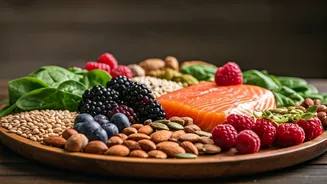
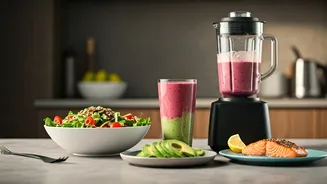
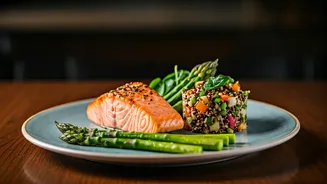
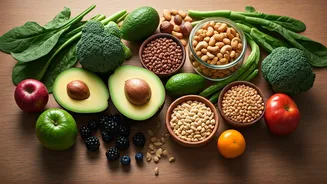
The new philosophy isn’t about deprivation; it's about fortification. Instead of obsessing over what to eliminate, savvy eaters are now focused on what they can add to their plates to improve their health. This 'nutritional addition' mindset is driving today’s biggest food trends. The question has shifted from 'How many carbs are in this?' to 'Does this have enough protein to keep me full until lunch?' or 'How can I get more fiber in my diet?' This practical approach is reflected on grocery store shelves, where product labels increasingly highlight positive attributes. Buzzwords like 'high protein,' 'plant-based,' 'excellent source of fiber,' and 'supports gut health' are the new marketing gold. This shift reframes eating as an act of nourishment rather than one of restriction. It’s a more optimistic and less stressful way to think about food, prioritizing feeling good and energized over simply adhering to a dogmatic set of rules.
Your Body Is the New Rulebook
Perhaps the most significant driver of this change is the rise of accessible bio-feedback technology. For the first time, people can get a real-time glimpse into how their unique bodies respond to food. Wearables like continuous glucose monitors (CGMs), once reserved for diabetics, are going mainstream. These devices allow users to see exactly how a bowl of oatmeal spikes their blood sugar compared to a plate of scrambled eggs. This kind of personalized data is revolutionary. It moves nutrition away from generic advice and toward individualized experimentation. Instead of blindly following a diet guru’s commands, a person can run their own N-of-1 experiment to see what works for them. This tech-enabled self-awareness empowers people to build their own set of guidelines based on their own biology, energy levels, and goals. The ultimate authority is no longer a book or a blogger, but the data coming from your own body.
The ‘Good Enough’ Philosophy
In the wake of the hyper-moralistic 'clean eating' movement—which often led to guilt and disordered habits—a more forgiving mindset is taking hold. Concepts like 'intuitive eating' and embracing a 'good enough' approach are gaining traction. This philosophy encourages people to listen to their body's hunger and fullness cues, enjoy their food without judgment, and recognize that a single 'off-plan' meal doesn't derail progress. It’s an acknowledgment that life is messy and unpredictable. A perfect diet is impossible for anyone with a job, a family, and a social life. The goal is no longer to be a nutritional saint 100% of the time, but to build a foundation of healthy habits that can withstand the occasional slice of birthday cake or impromptu pizza night. This practical realism is ultimately more effective for long-term health and mental well-being than the pursuit of an unattainable ideal.