




What Is Dahi, Anyway?
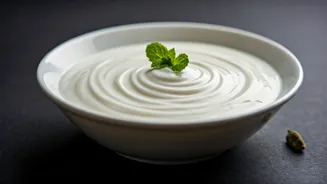
Dahi is a traditional yogurt originating from the Indian subcontinent, and it’s a cornerstone of daily meals for millions. While it's often translated simply as 'yogurt,' that doesn't capture the full story. Unlike the thick, strained Greek yogurt or the often-sweetened
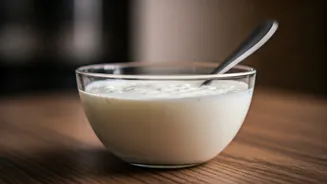
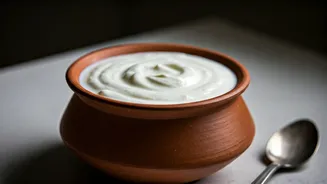
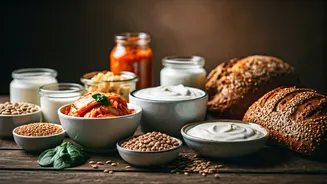
American-style varieties, dahi is typically softer, with a tangy, clean flavor. It has a consistency closer to plain, unstrained yogurt, sometimes with a thin layer of whey on top. This isn't a flaw; it's a sign of its natural, unadulterated state. At its core, dahi is simply milk cultured with live, active bacteria. The specific strains of bacteria can vary from household to household, giving each batch a unique character, much like a sourdough starter.
Probiotics Without the Price Tag
Here's where dahi truly shines for the budget-conscious wellness seeker. The primary cost of making dahi is a carton of milk. A single gallon of milk can produce a huge batch of dahi that can last a week or more. Compare that to a six-pack of small commercial yogurt cups or a few bottles of kombucha, and the savings are dramatic. The process doesn't require any fancy equipment—no yogurt maker needed. All you need is a pot to heat the milk, a clean container, and a warm, draft-free spot for it to set. By making it yourself, you control the ingredients completely. There are no added sugars, thickeners, or preservatives, just pure, probiotic-rich food. The initial 'starter' culture can be a spoonful from a previous batch or a bit of high-quality, plain store-bought yogurt with live cultures. After that, your dahi becomes self-perpetuating, costing you pennies per serving.
The 'Familiar' Factor: How to Use It
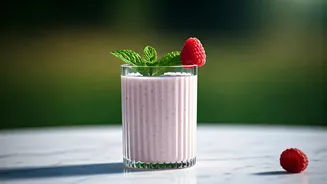
The word 'familiar' in the headline is key. You don’t need to learn a whole new cuisine to incorporate dahi into your diet. Its versatility is its greatest strength. Think of it as a direct, healthier substitute for sour cream or crème fraîche. A dollop on top of tacos, chili, or a baked potato adds a creamy tang and a dose of probiotics. Blend it into smoothies for a protein boost and a smoother texture. Use it as a base for creamy salad dressings instead of mayonnaise; just whisk it with lemon juice, herbs, and a pinch of salt. Dahi is also a fantastic marinade for meats, especially chicken and lamb. The live enzymes and lactic acid tenderize the meat beautifully, leaving it incredibly moist and flavorful after grilling or roasting.
More Than Just a Condiment
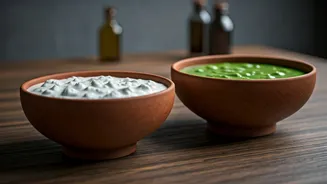
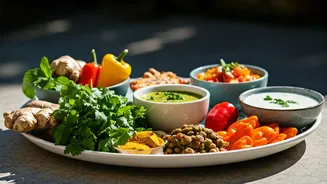
In South Asian cuisine, dahi isn't just an ingredient; it's a fundamental part of the meal, believed to aid digestion and balance the heat of spicy dishes. A simple bowl of dahi with a pinch of salt is a common side. It’s whipped into refreshing drinks like lassi (sweet or salty) or used to create raita, a cooling yogurt dip mixed with grated cucumber, mint, or other vegetables. By embracing dahi, you’re not just adopting a food item; you’re tapping into a centuries-old tradition of using simple, fermented foods for both flavor and well-being. It represents a shift from viewing probiotics as a supplement you buy to a natural component of the food you cook and eat every day.