

The Intersection of Thirst and Memory
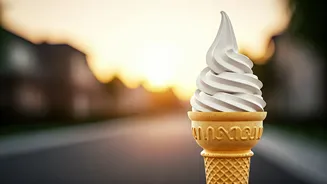
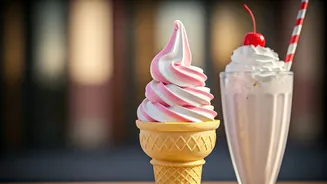
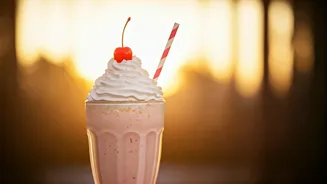
There are faster ways to hydrate and more efficient methods to cool down, yet on a sweltering American summer day, nothing feels quite as right as a chilled milk treat. Whether it’s a thick, frothy milkshake that requires serious straw-power, a towering
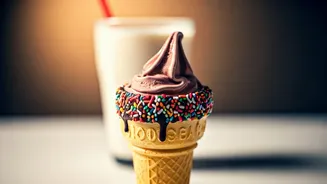
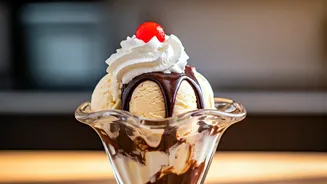
soft-serve cone threatening to melt down your hand, or a simple scoop of vanilla ice cream, these treats occupy a unique space in our cultural psyche. They are equal parts refreshment and ritual, a delicious link to a collective past. The appeal isn't just in the sugar and fat, but in the powerful, often unspoken, association with simpler times. For millions of Americans, the sound of a blender whirring or the sight of a gleaming chrome soda fountain triggers a Pavlovian response that has little to do with thirst and everything to do with the feeling of childhood summers, first dates, and long, lazy afternoons.
A Taste of the American Century
This deep-seated nostalgia is no accident; it was manufactured, along with the treats themselves, during the boom years of the 20th century. The rise of the modern milkshake and the proliferation of ice cream parlors are inextricably linked to America’s postwar prosperity. As families moved to the suburbs and car culture flourished, the soda fountain and the drive-in became central hubs of social life, particularly for teenagers. The milkshake, once a simple health drink, was transformed by the 1920s invention of the electric blender into a thick, indulgent dessert. By the 1950s, it was an icon. It represented a wholesome, clean-cut version of American youth culture—a date shared over two straws, a post-game celebration, the taste of freedom on a Saturday night. This imagery, relentlessly reinforced in movies, television, and advertising, cemented the milkshake and its creamy cousins as symbols of an idyllic American dream.
The Comforting Science of Creaminess
There’s also a simple, biological reason we crave these treats in the heat. The combination of cold temperature, fat, and sugar is a triple threat to our brain's pleasure centers. The cold provides immediate physical relief, lowering our core temperature in the most enjoyable way possible. The fat from the milk or cream creates a rich, satisfying mouthfeel that coats the tongue, a sensation many find inherently comforting. And the sugar provides a quick burst of energy, a welcome lift on a lethargic, humid day. It’s a sensory trifecta that not only cools the body but soothes the mind. This combination triggers the release of dopamine, the “feel-good” neurotransmitter, reinforcing the behavior and making us want to come back for more. It’s not just a treat; it’s a form of self-care, a simple and effective mood booster served in a cone or a glass.
The Nostalgia Loop in Modern Menus
Today, that connection to the past is more potent than ever. In an age of complex, deconstructed desserts and high-concept culinary trends, the straightforward honesty of a chilled milk treat stands out. Its appeal is enduring. We see it in the enduring popularity of roadside soft-serve stands that have been operating for generations, their loyal customers lining up for the same swirl they had as kids. We see it in the revival of retro-themed diners, where the milkshake is a non-negotiable menu centerpiece. And we see it in the rise of gourmet shake shops, which elevate the classic form with artisanal ice creams and unexpected ingredients, proving the format’s versatility. They are a delicious paradox: a taste of the past that feels perfectly suited for the present, a simple pleasure that never seems to go out of style.