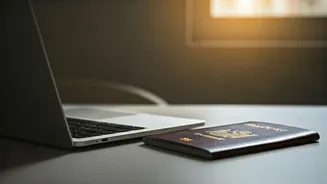







Beyond Bleisure: Defining the Slow Trip
This isn't just about tacking a weekend onto a work conference—a practice long known as 'bleisure.' The slow work trip is a more fundamental shift. It involves intentionally extending a stay in a business destination for weeks, not just days. Instead
of squeezing in sightseeing between meetings, professionals are using the time to work remotely from their new location, settling into a neighborhood, building a routine, and engaging with the local culture and colleagues on a deeper level. Imagine finishing a project not from your home office, but from a temporary apartment in Lisbon or a co-working space in Tokyo. You still work a full day, but your evenings and weekends are spent exploring a new city, not recovering from jet lag.
Why the Sudden Shift?
The slow work trip is a direct byproduct of the pandemic-era great reshuffling of work. First, the widespread adoption of remote and hybrid work has proven that productivity isn't tied to a specific office. If an employee can work effectively from their home, they can likely work just as effectively from a hotel or short-term rental in another city. Second, there's a collective pushback against the burnout culture that glorified the 'road warrior' lifestyle. Employees are demanding better work-life integration, and forward-thinking companies are listening. Finally, it can be economically savvy. As flight costs rise, combining several objectives into one longer, less frequent trip can be more cost-effective and environmentally friendly than multiple short, rushed visits.
The Strategic Upside for Companies
While it might seem like a pure employee perk, companies are finding strategic advantages in embracing slow travel. In a tight labor market, offering this level of flexibility is a powerful tool for attracting and retaining top talent, especially among younger generations who prioritize life experiences. When an employee spends more time in a key market, they can develop stronger, more authentic relationships with international clients, partners, and colleagues. This extended stay provides invaluable cultural context and market intelligence that can’t be gleaned from a 48-hour visit. It fosters a more global, connected, and loyal workforce that feels trusted and valued.
The Employee Payoff Is Clear
For employees, the benefits are transformative. The frantic pace of traditional business travel is a major contributor to stress and poor health. A slower pace eliminates the grueling cycle of jet lag and exhaustion. It provides a unique opportunity for personal growth and enrichment, turning a work obligation into a life-enhancing experience. This can lead to a profound sense of rejuvenation and renewed creative energy, which often translates back into their work. For those with families, a longer trip might even create an opportunity for loved ones to join for a portion of the stay, blending work and family life in a way a quick overnight trip never could.
Navigating the New Logistics
Of course, this new model isn't without its challenges. Companies must develop clear policies to manage the logistical, legal, and tax implications of employees working from different states or countries for extended periods. Issues around visas, tax residency, and data security require careful planning. Furthermore, there's a risk of creating a two-tiered system where employees with the flexibility to travel enjoy these perks while those with caregiving responsibilities or in-person roles cannot. Establishing fair and equitable guidelines is crucial to ensuring the program is a net positive for the entire organization, not just a select few.