


Why The Monsoon Is The Main Event
Forget what you know about seeking sunshine. In Northeast India, particularly the state of Meghalaya—whose name literally translates to “Abode of the Clouds”—the rainy season from June to September is the main attraction. This isn't a light drizzle; it’s
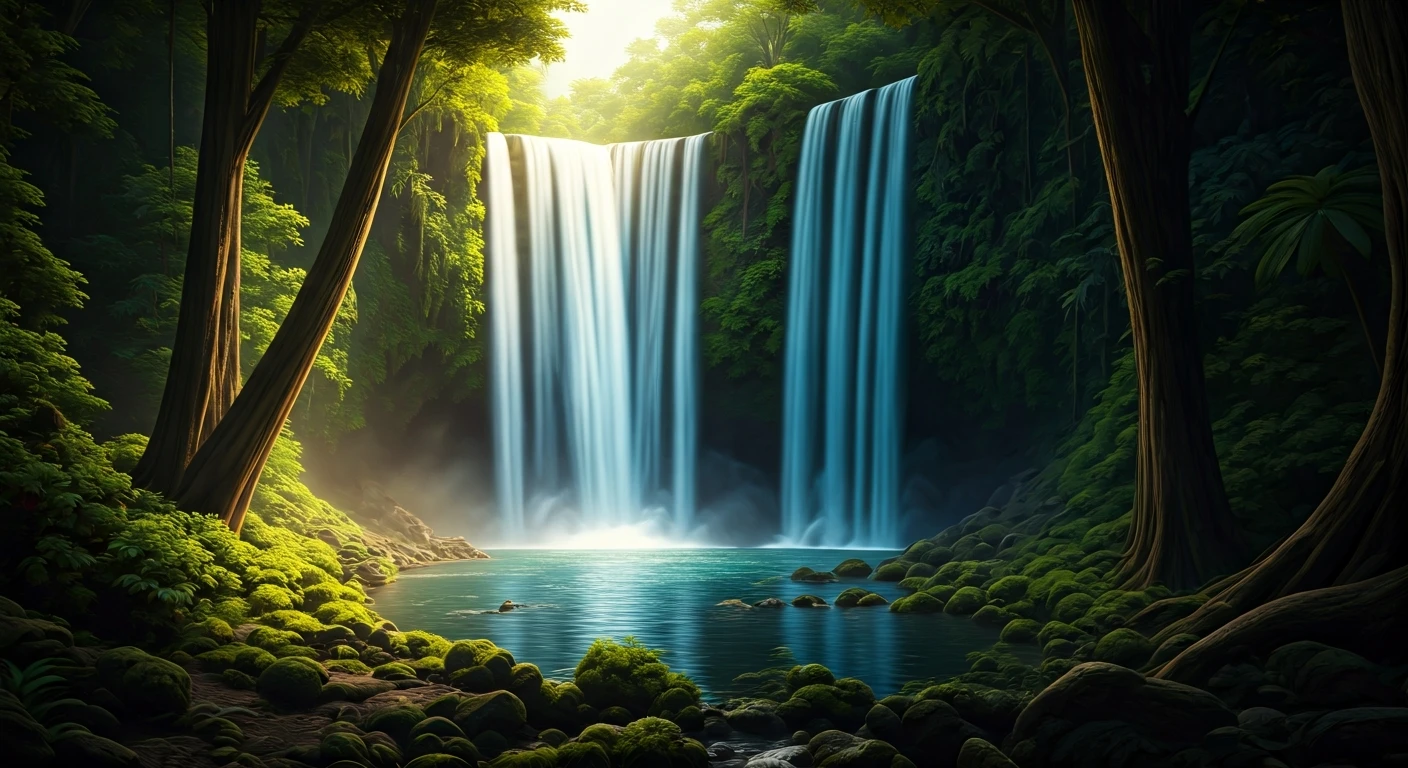
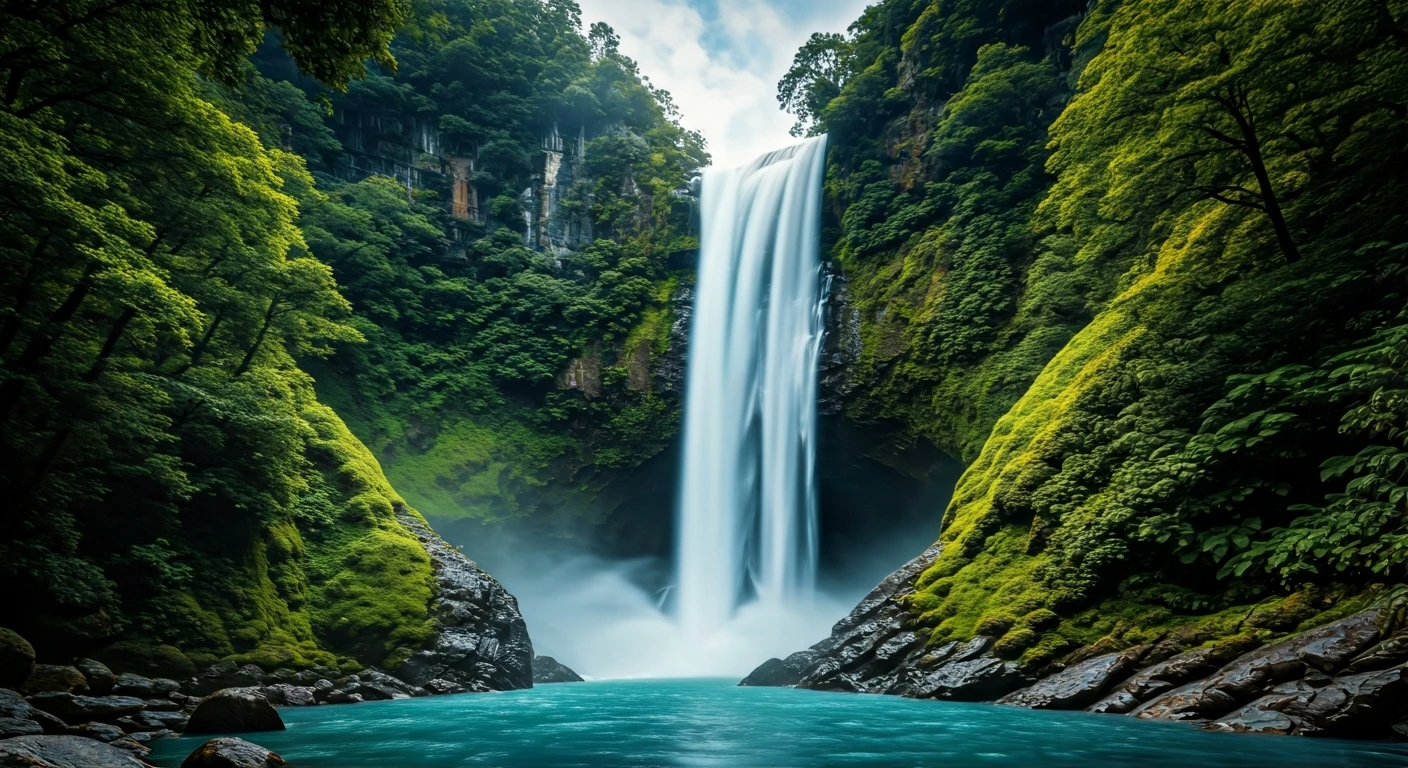
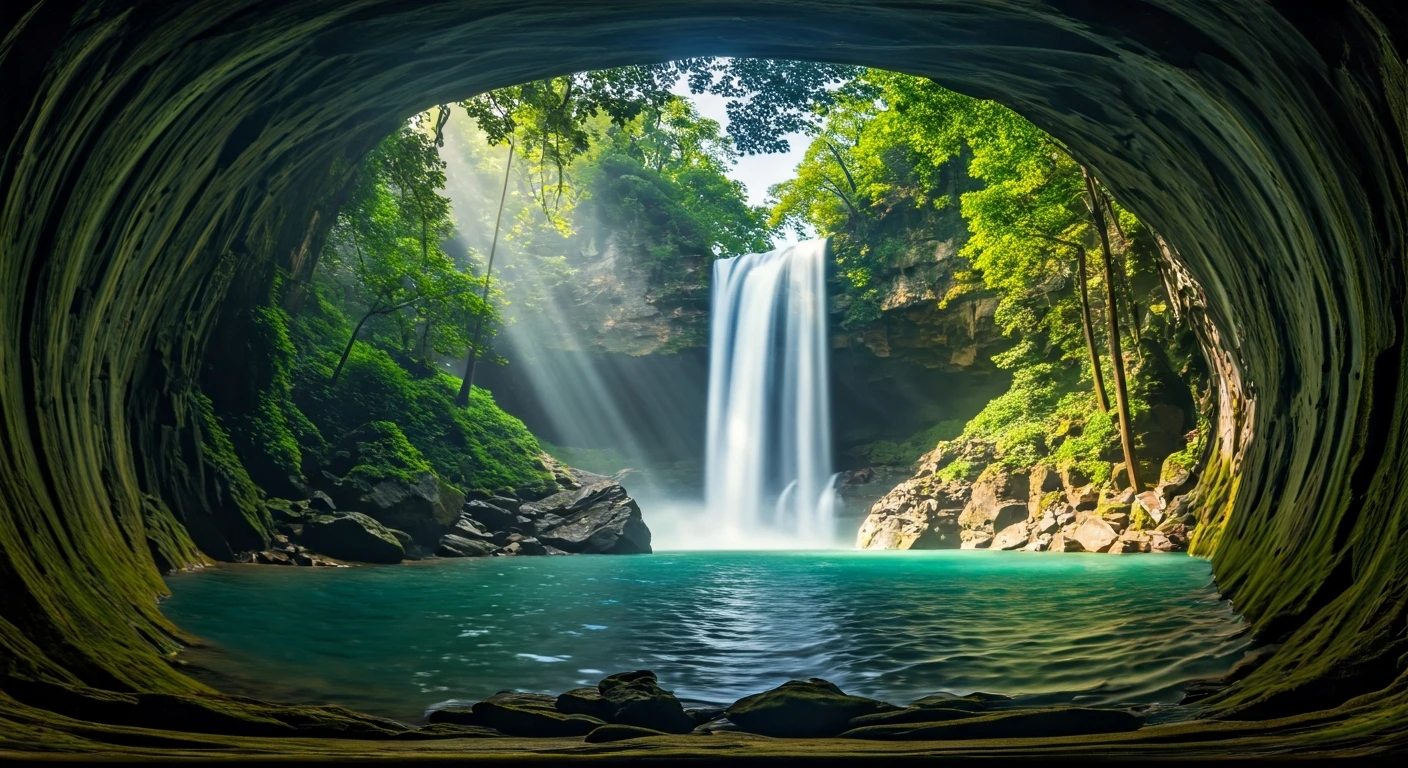
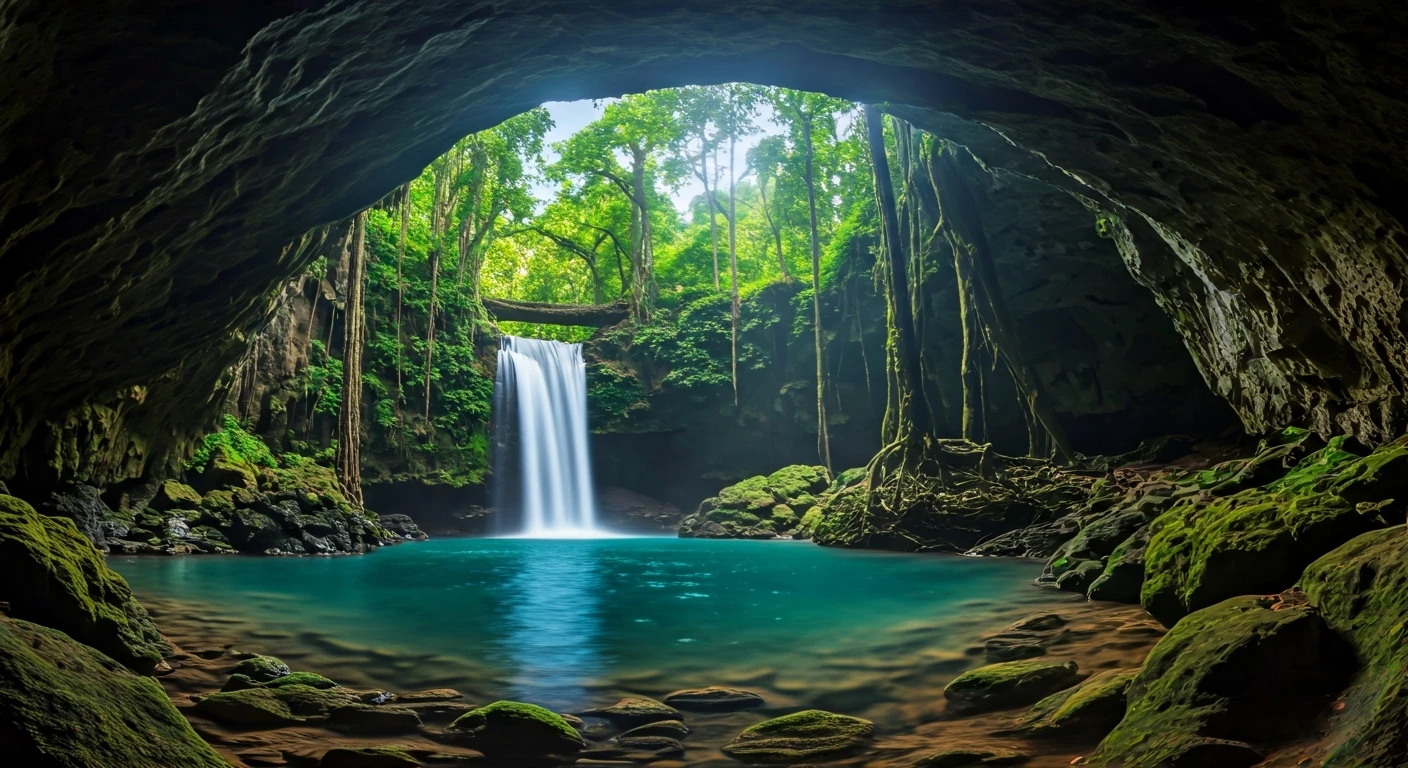
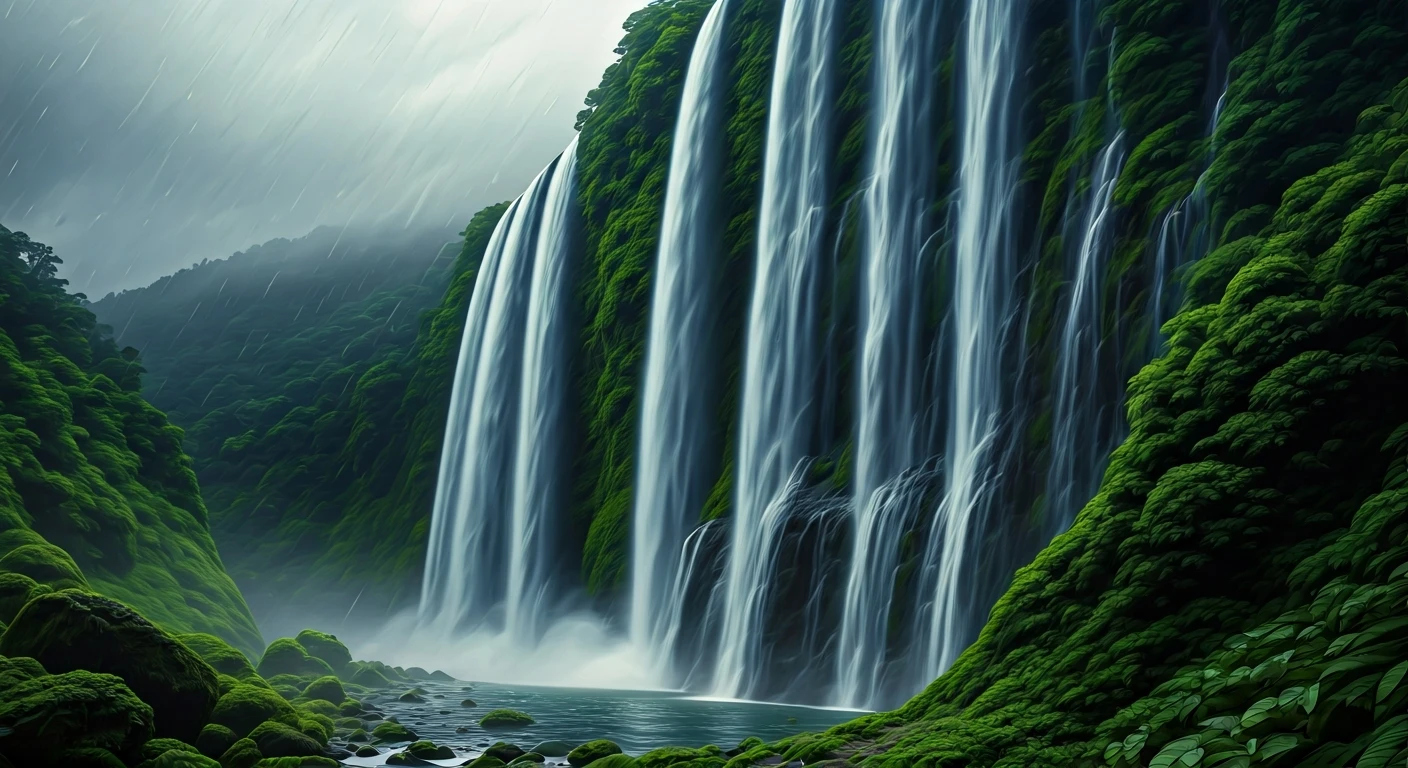
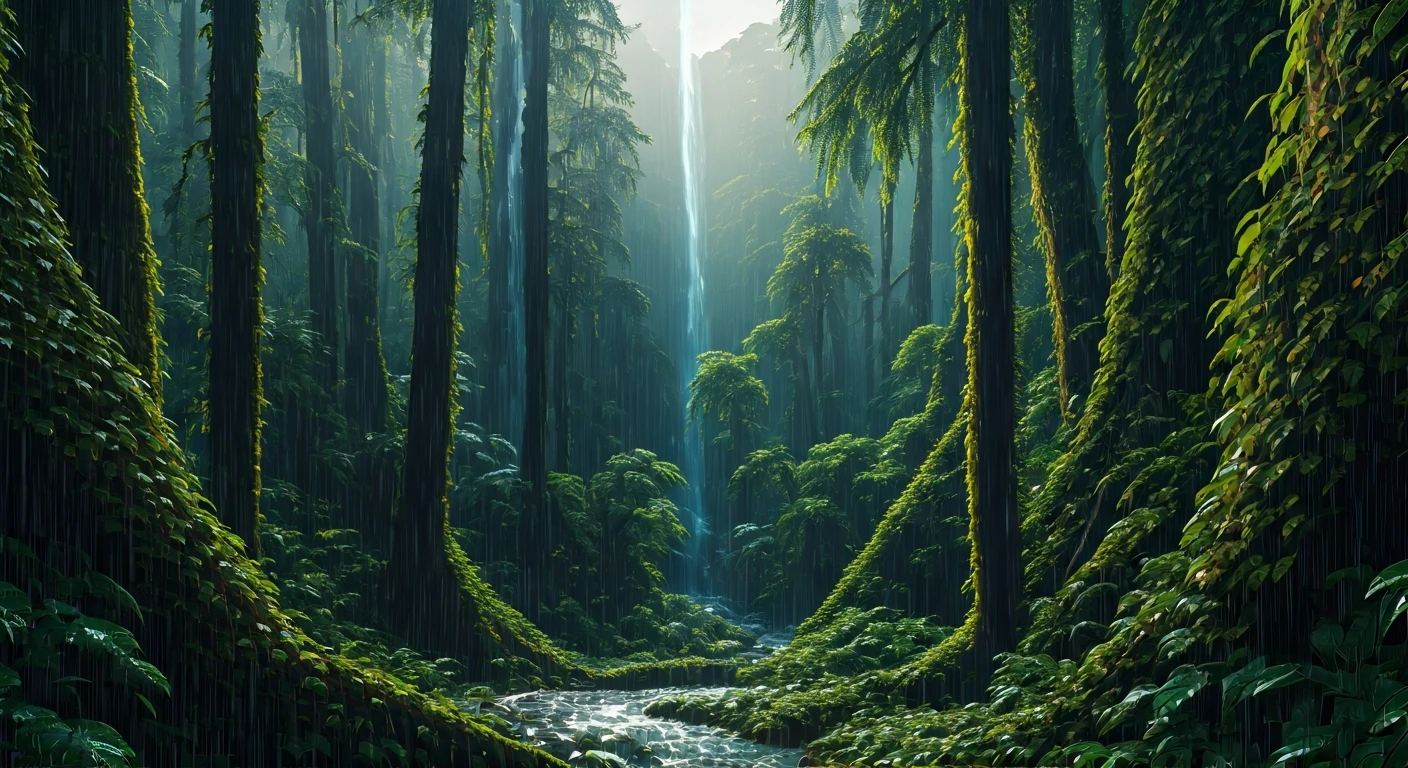
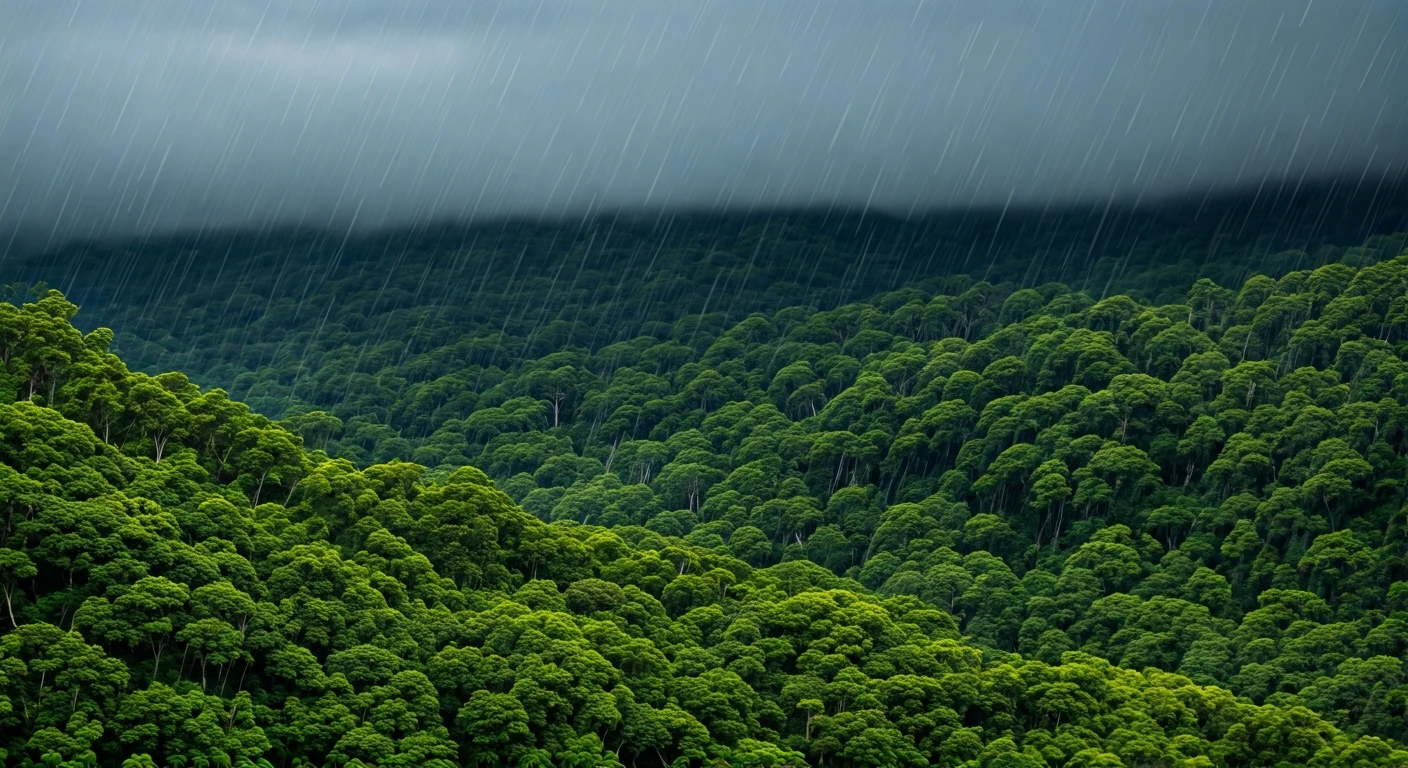
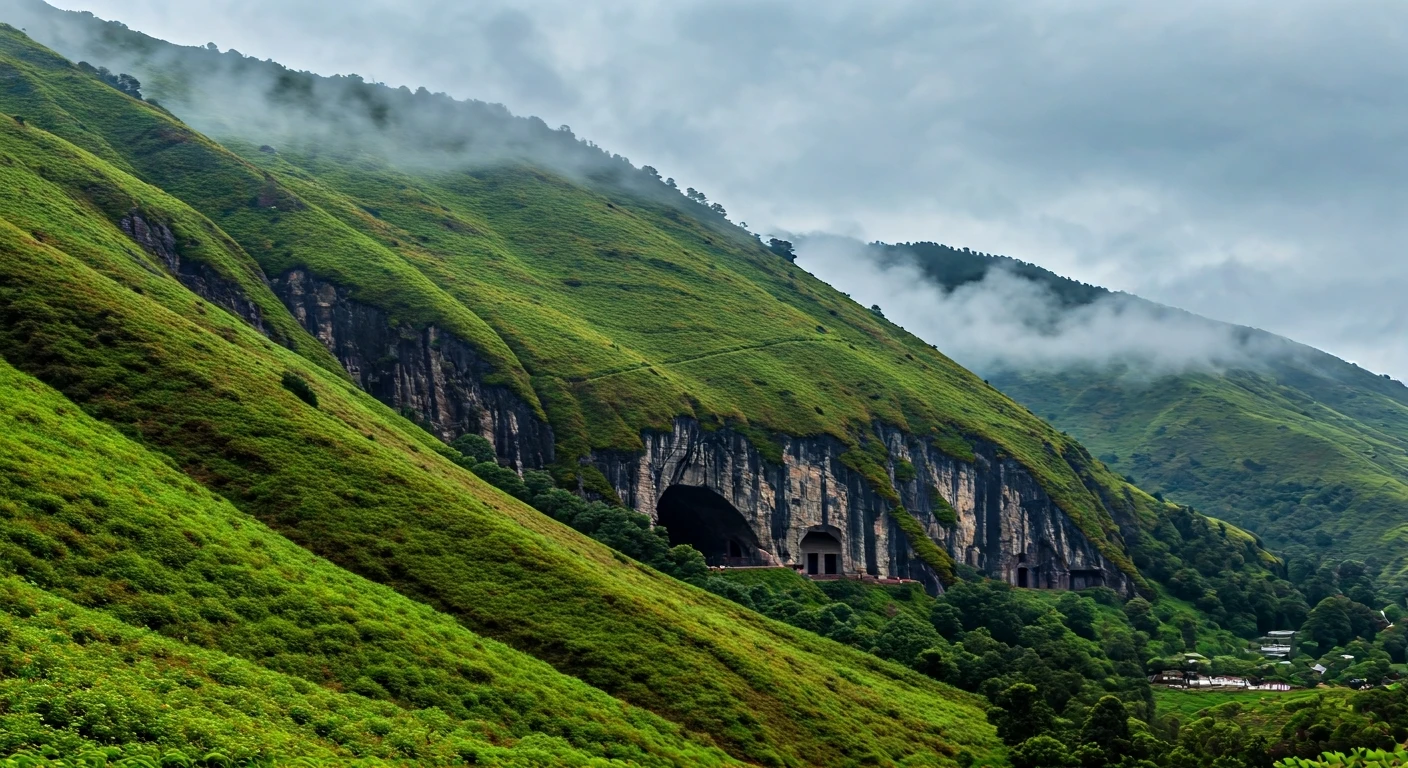
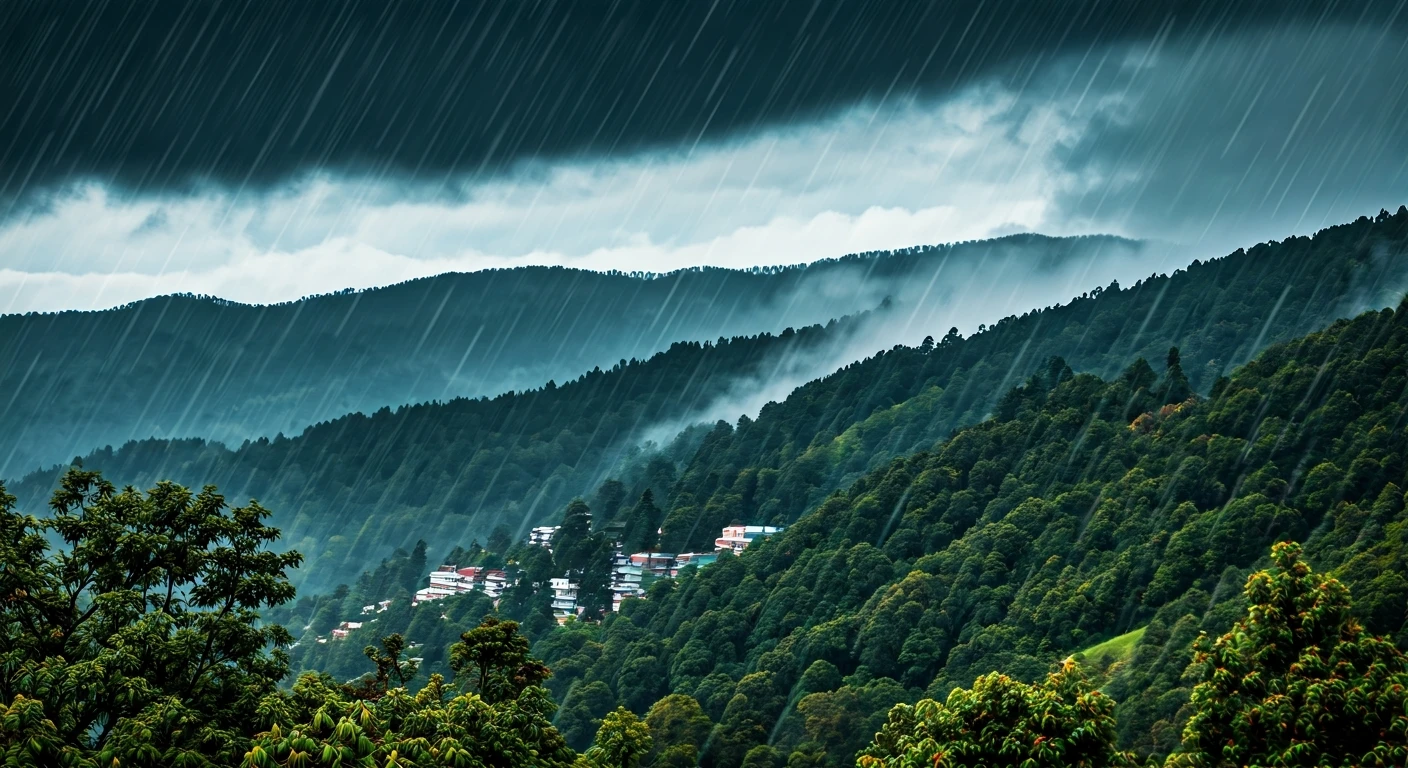
a daily, world-shaping deluge that turns the landscape into a study in green. Hillsides that are merely pleasant during the dry season become electric, almost fluorescent, emeralds. Waterfalls that are modest trickles for much of the year transform into thunderous, awe-inspiring torrents. Mawsynram and Cherrapunji, two of the wettest places on Earth, don't just get rain; they perform it. The clouds don’t just hang in the sky; they roll through the valleys and into your hotel room. Traveling here during the monsoon is choosing to witness nature at its most dramatic and powerful.
Meghalaya's Living Wonders
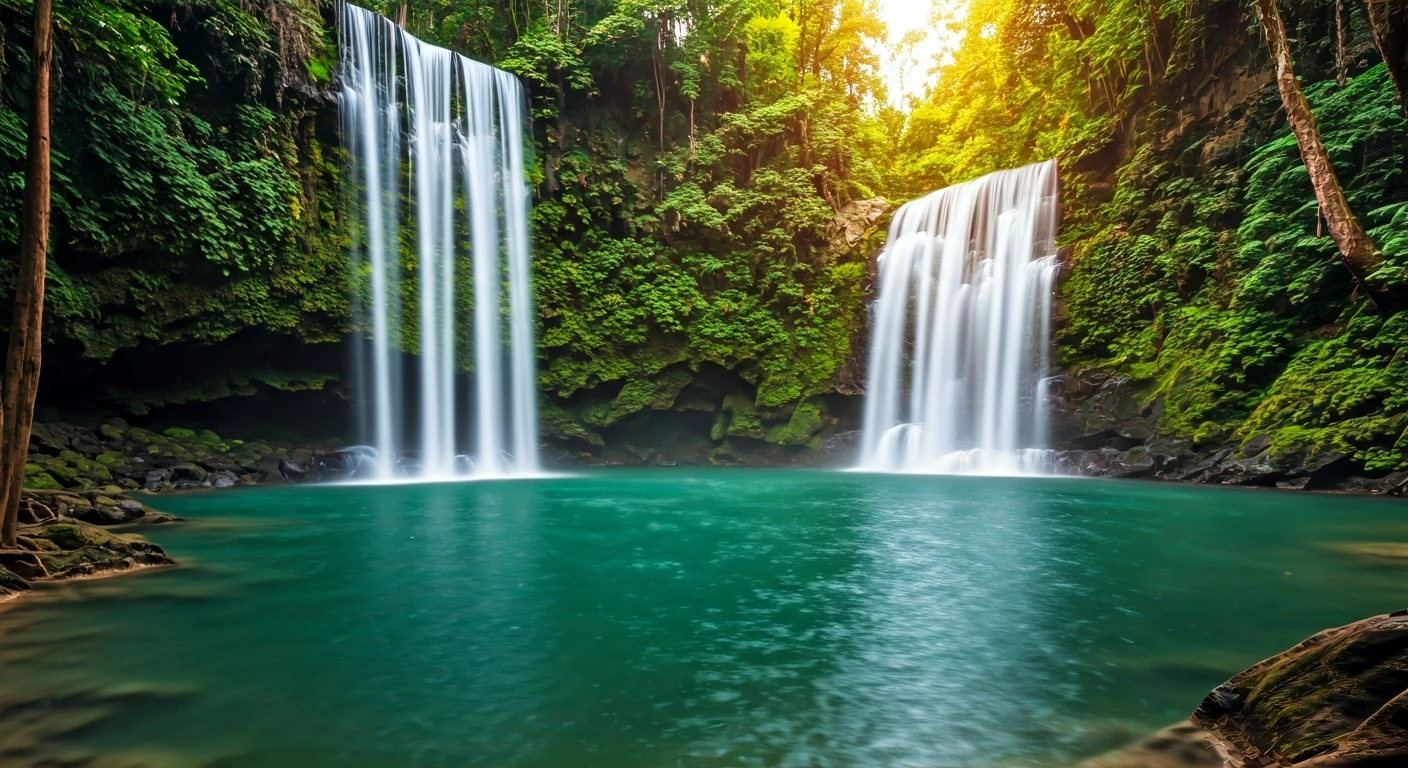
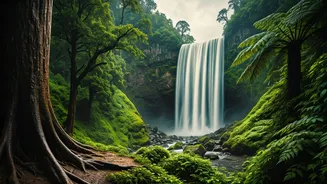
The undeniable stars of the show are Meghalaya’s unique attractions, which are magnified by the rain. The famous living root bridges, masterpieces of bio-engineering created by the Khasi and Jaintia peoples, are at their most enchanting when surrounded by mist and dripping foliage. Trekking down to the Nongriat Double-Decker Root Bridge feels like descending into a lost world from an Indiana Jones film. Then there are the waterfalls. Nohkalikai Falls, one of India’s tallest, plunges dramatically from a misty cliffside, its roar echoing through the valley. The Seven Sisters Falls, a wide panorama of separate streams, flows in its full glory only during the monsoon. It’s a photographer’s paradise, where the moody, atmospheric light creates scenes of profound beauty that are impossible to capture in the dry heat of other seasons.
Beyond the Waterfalls
While the visual spectacle is paramount, the experience is about more than just sightseeing. Monsoon travel in Northeast India is an immersive, multi-sensory adventure. It’s the smell of petrichor—the earthy scent of rain on dry soil—that constantly hangs in the air. It’s the sound of water, from the gentle patter on a tin roof to the deafening roar of a river in spate. It’s the taste of hot chai and spicy Khasi delicacies enjoyed in a cozy roadside stall while watching the clouds drift by. This season also means fewer crowds. You’ll be sharing these breathtaking landscapes with a handful of other intrepid travelers, not busloads of tourists, allowing for a more intimate and personal connection with the place and its people. It's a trip that rewards patience and a willingness to embrace the elements.
Practical Tips for a Rainy Adventure
A trip like this requires preparation, not just wanderlust. Your packing list is non-negotiable: quick-dry clothing, a reliable waterproof jacket, and sturdy, waterproof footwear with excellent grip are essential. Leave the cotton at home. Electronics should be protected in dry bags. Navigating the region requires a skilled local driver who understands the road conditions, as landslides can cause delays or detours. It’s wise to build extra buffer days into your itinerary. Embrace the humidity and be prepared for the occasional leech if you’re trekking (leech socks are a worthy investment). While it sounds intense, these are manageable challenges. By planning for the wet, you free yourself to fully enjoy the wild, unparalleled beauty that only the monsoon can deliver.