


Moving Beyond the Buffet
For many Americans, the experience of South Asian dining has long been defined by a predictable formula. You’d walk into a restaurant, often decorated with ornate but generic tapestries, and be greeted by the scent of a dozen dishes simmering in a steam-table
buffet. The menu was a familiar roll call: samosas, chicken tikka masala, saag paneer, and mountains of basmati rice. While delicious, this model was born from a specific immigrant necessity: to present a simplified, approachable version of a vast and complex culinary tradition for a largely unfamiliar American audience. The food, often leaning heavily on creamy, mild Northern Indian recipes, was designed not to challenge but to welcome. That era is now giving way to something far more exciting. A growing movement across the country is deconstructing this one-size-fits-all approach. Diners are discovering that “Indian food” is no more a single entity than “European food.” These new restaurants are confident, specific, and unapologetically authentic to a particular place, family, or memory.
So, What Is a 'Comfort Plate'?
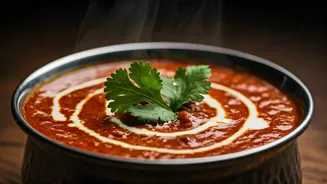
At the heart of this trend is the concept of the “comfort plate.” This isn't about fancy, deconstructed culinary experiments. It’s the opposite. It’s about the food that people from the Desi diaspora—which includes India, Pakistan, Bangladesh, and their global communities—actually eat at home. These are the dishes of childhood nostalgia, family gatherings, and everyday sustenance that rarely made it onto restaurant menus. Think of hearty, slow-cooked dal makhani that tastes like it simmered for hours in a family kitchen, not a commercial one. Or keema pav, the spiced minced meat served with soft, buttery bread rolls—a staple of Mumbai street stalls. It could be khichdi, a humble and nourishing rice and lentil porridge that’s the South Asian equivalent of chicken noodle soup, elevated with high-quality ingredients and nuanced spices. These dishes are deeply personal and tied to a sense of place. They prioritize soul-warming satisfaction over performative fanciness, delivering flavors that are layered, robust, and profoundly comforting.
The Second-Generation Effect
This culinary shift is largely driven by a new generation of second-generation American chefs and restaurateurs. People who grew up with a foot in two cultures are now proudly claiming their heritage on their own terms. Unlike their parents’ generation, who may have felt pressure to assimilate or Anglicize their offerings, these chefs are cooking with a newfound confidence. They are creating spaces that reflect their dual identity—blending the flavors of their family’s kitchen with a modern, American sensibility. Chefs like Chintan Pandya of New York’s Dhamaka and Semma have gained national acclaim by focusing on hyper-regional and lesser-known dishes. They aren’t just cooking food; they’re telling stories. By serving rustic goat-neck biryani or spicy snail curry, they are educating diners and challenging preconceived notions. They’ve realized that the American palate is more sophisticated and curious than ever before, ready to embrace the kind of specificity and authenticity that was once deemed too “ethnic” for the mainstream.
A Taste of the New Vibe
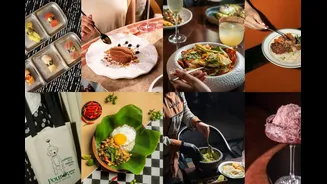
Visiting one of these new-wave Desi restaurants feels different. The decor is often more contemporary and personal—think less generic palace and more Brooklyn bistro or airy California eatery. The soundtrack might be a curated playlist of Bollywood funk or modern hip-hop instead of sitar music. The menu is often shorter and more focused, encouraging diners to explore a specific region or concept. Instead of a sprawling buffet, you might find a thali—a curated platter offering a balanced meal with a variety of small, distinct dishes that showcase different textures and flavors. You’ll see dishes from the coastal south, heavy on coconut and seafood, or street food favorites from the bustling lanes of Delhi. The experience is more akin to being invited into someone's home for a special meal, where each dish has a purpose and a story. It’s a vibrant, interactive, and deeply personal way to dine, and it’s reshaping how Americans experience and appreciate the incredible diversity of South Asian cuisine.