



Meet the Autumn Jewel
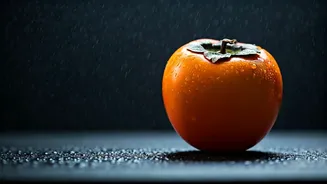
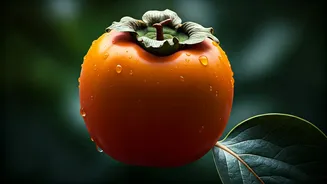
If you’ve only ever seen persimmons in a decorative fall centerpiece, you’re missing out. This beautiful orange fruit, which looks like a smooth, squat tomato, is the edible star of autumn and early winter. Native to Asia but now grown widely in the U.S.,
particularly California, persimmons are hitting their peak season from October through January. Their arrival coincides perfectly with our craving for warm, cozy flavors, offering a seasonal alternative to the year-round dominance of berries and bananas in our morning routines. Their flavor is unique—a delicate, honeyed sweetness with notes of cinnamon and apricot, and a texture that ranges from crisp and juicy to soft and jammy, depending on the variety.
Fuyu vs. Hachiya: Know Your Fruit
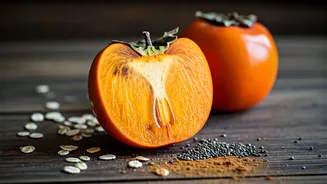
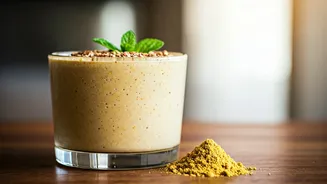
Walking up to a pile of persimmons can be intimidating if you don’t know the golden rule: not all are created equal. The two most common varieties in American grocery stores are Fuyu and Hachiya, and choosing the wrong one can lead to a memorably unpleasant, mouth-puckering experience. * **Fuyu persimmons** are typically squat and round, resembling a tomato. These are the user-friendly, go-to variety for breakfast bowls. Fuyus are non-astringent, meaning you can eat them while they are still firm and crisp, like an apple. They are perfect for slicing or dicing and adding directly to yogurt, oatmeal, or salads. * **Hachiya persimmons** are acorn-shaped and highly astringent due to tannins when unripe. Biting into a firm Hachiya is a mistake you’ll only make once. They must be left to ripen until they are incredibly soft, almost like a water balloon filled with jelly. Once fully ripe, their flesh is custardy, sweet, and perfect for blending into smoothies or spooning directly over a breakfast bowl as a natural purée.
Why It’s a ‘Superfood’
The term “superfood” gets thrown around a lot, but the persimmon has the nutritional stats to back it up. A single persimmon is a powerhouse of vitamins and minerals. It's an excellent source of Vitamin A, which is crucial for immune function, vision, and cell growth. They are also packed with Vitamin C, a powerful antioxidant that helps protect your cells from damage. Beyond vitamins, persimmons are rich in manganese, which supports bone health and metabolism, and loaded with soluble and insoluble fiber, which aids digestion and helps you feel full longer. This combination of fiber and nutrients makes it an ideal ingredient for a breakfast that’s meant to energize you for the day ahead.
Building the Perfect Persimmon Bowl
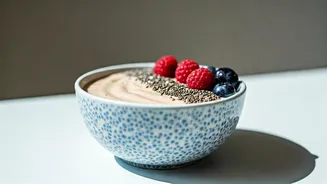
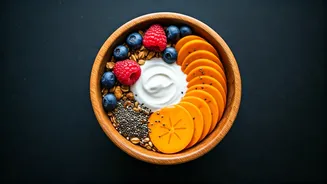
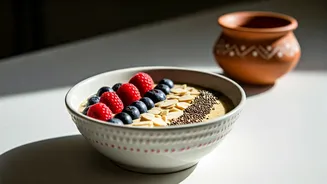
Ready to try it? The beauty of the persimmon bowl is its simplicity and versatility. It’s less of a strict recipe and more of a template for you to customize. 1. **Start with a Base:** Choose a creamy, neutral foundation that will let the persimmon’s flavor shine. Plain Greek yogurt, overnight oats, warm oatmeal, or a thick chia seed pudding are all excellent choices. 2. **Add the Persimmon:** If you have a crisp Fuyu, thinly slice it or chop it into small cubes. Arrange the slices in a fan for that photo-worthy finish, or simply scatter the cubes over your base. If you’re using a super-ripe Hachiya, scoop the jammy flesh out and dollop it on top for a luscious, pudding-like texture. 3. **Layer on Toppings:** This is where you can get creative. The persimmon’s honeyed flavor pairs wonderfully with a variety of textures and spices. Consider adding a sprinkle of warming spices like cinnamon, nutmeg, or cardamom. For crunch, add toasted walnuts, pecans, or almonds. A handful of pomegranate seeds adds a tart, juicy pop, while a drizzle of maple syrup or honey can enhance the fruit's natural sweetness.