
The Rise of the Un-Itinerary
First, let’s define what we mean by 'slow travel.' This isn’t just about taking longer vacations or moving at a glacial pace. It’s a mindset, an intentional rebellion against the checklist tourism that has dominated for decades. Instead of trying to cram
five cities into seven days, the slow traveler might spend those seven days in a single village. The goal is to trade breadth for depth. It means unpacking your suitcase, getting to know the person who runs the corner cafe, learning a few words of the local language, and prioritizing genuine connection with a place over simply seeing its sights. It’s about experiencing a destination as a temporary resident, not a hurried consumer.
Naggar: A Himalayan Haven
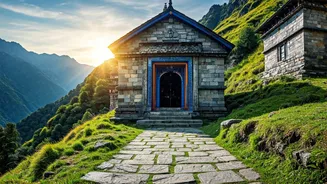
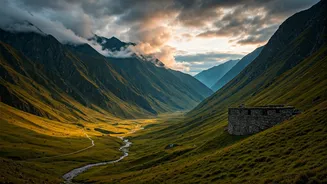
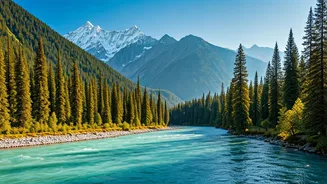
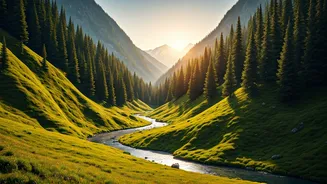
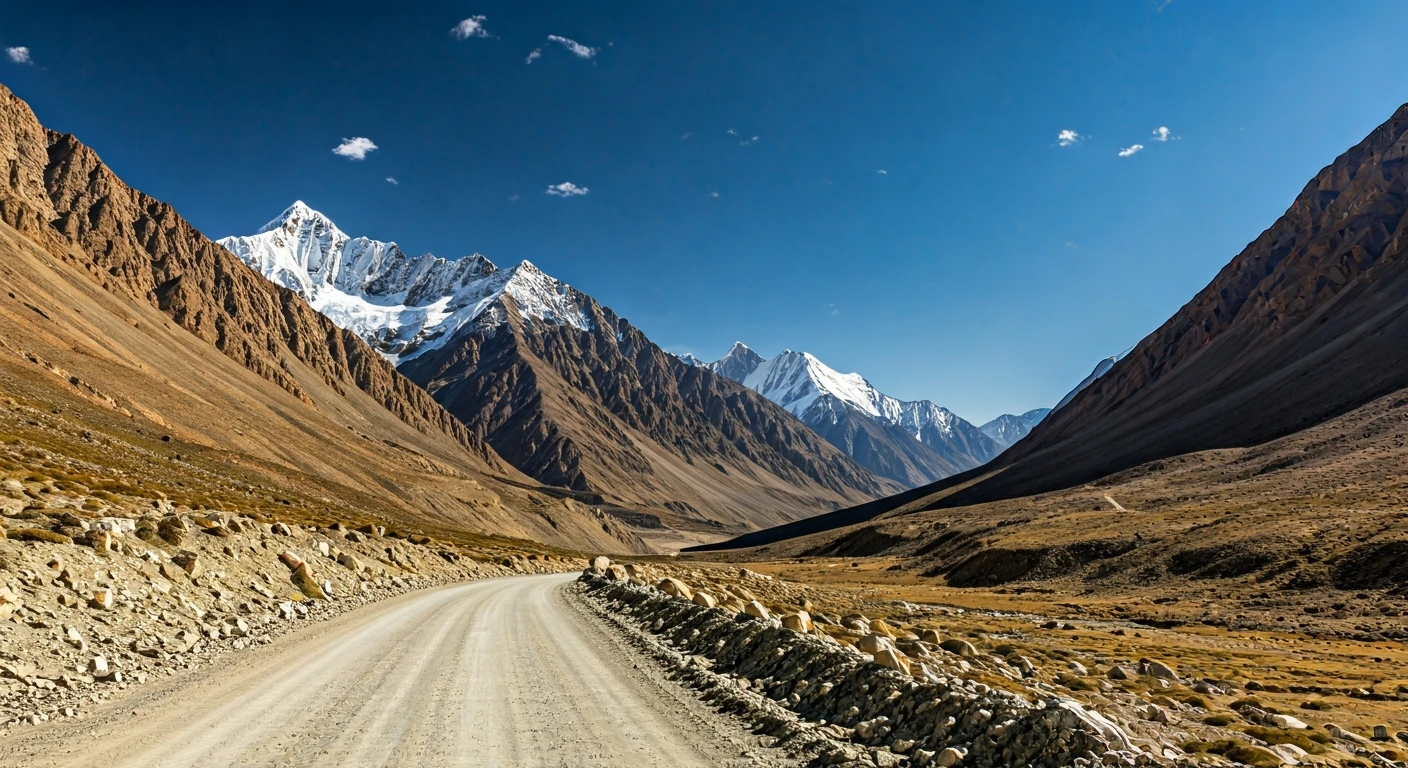
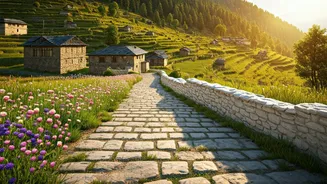
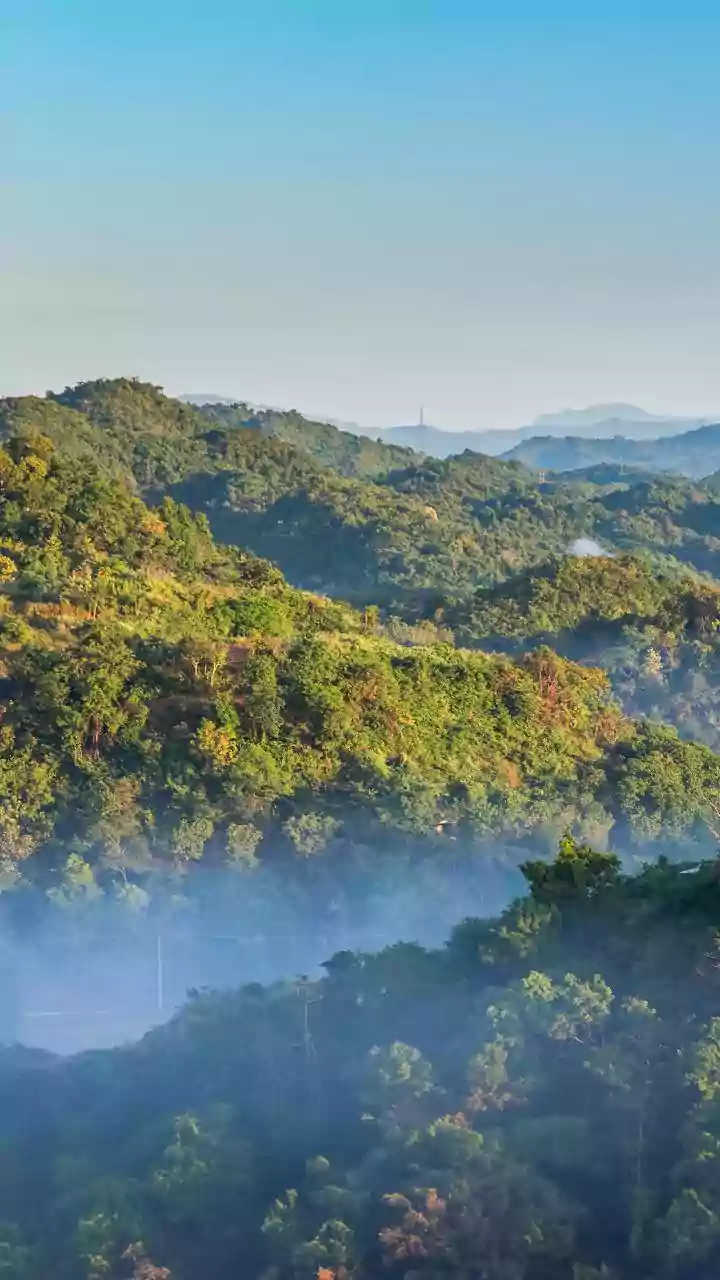
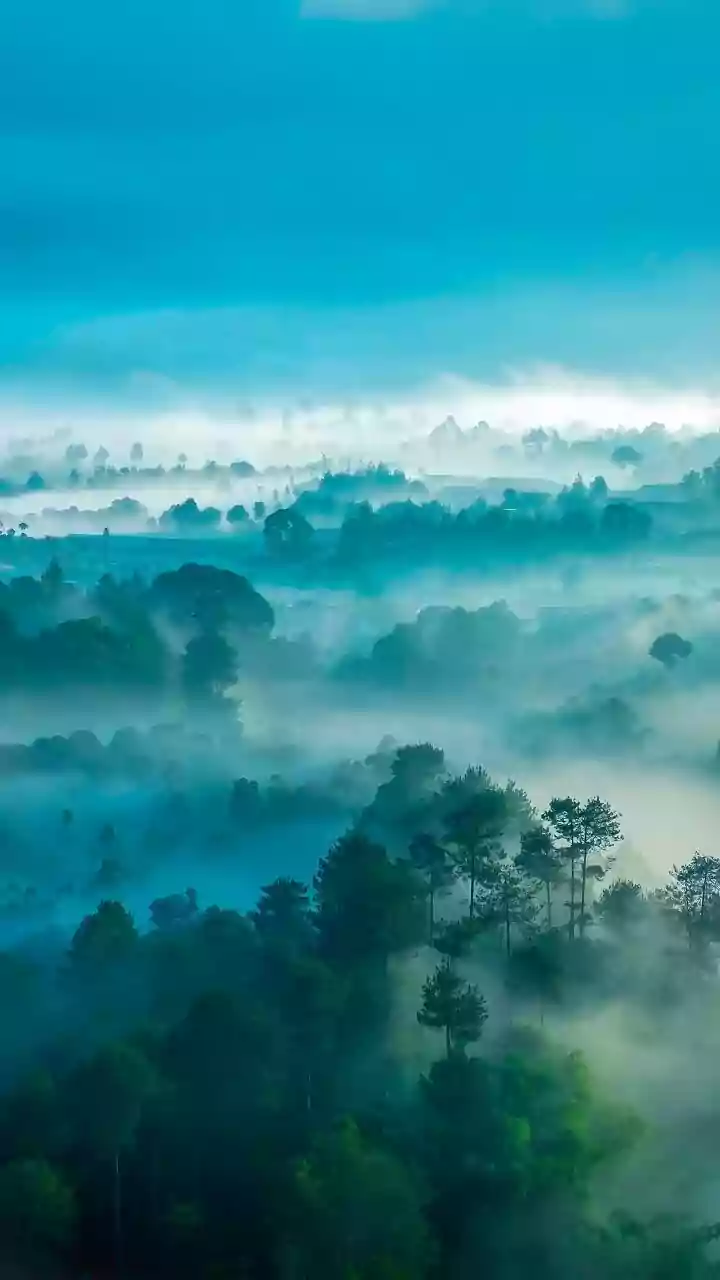
Nestled in the Kullu Valley of Himachal Pradesh, India, Naggar is the physical embodiment of this philosophy. While its neighbor, Manali, buzzes with the energy of a bustling tourist hub, Naggar remains a sleepy, contemplative hamlet perched on a slope overlooking the Beas River. Surrounded by dense deodar forests, terraced fields, and snow-capped Himalayan peaks, the town’s very geography encourages you to pause and breathe. The air is crisp, the silence is punctuated by the chirping of birds, and the rhythm of life is dictated by the rising and setting of the sun. It’s a place that doesn’t demand your attention with flashing lights or loud attractions; it earns it with quiet, overwhelming beauty.
Anchors of Art and History
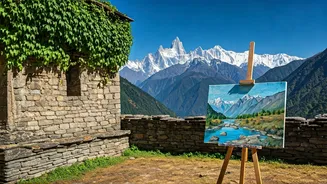
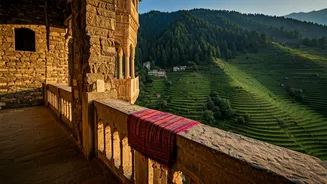
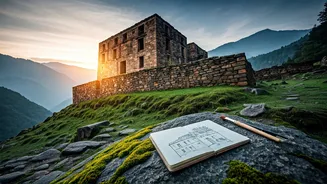
What makes Naggar especially suited for a slow-travel mindset are its cultural anchors, which reward time and reflection. The centerpiece is Naggar Castle, a magnificent 15th-century structure built from stone and wood. Now a heritage hotel, its courtyards and balconies offer stunning valley views that invite you to sit for hours with a cup of tea. Just a short, scenic walk away is the Roerich Estate, the former home of Russian artist Nicholas Roerich. The tranquil property houses an art gallery displaying his ethereal paintings of the Himalayas. These are not quick photo-op destinations. They are places steeped in history and art that absorb you, demanding a slower pace to be fully appreciated. They ground your visit in a sense of time and legacy that a whirlwind tour could never provide.
Living, Not Just Visiting
So what does a slow traveler *do* in Naggar? Very little, and yet, everything. A day might involve a morning walk to a nearby village through apple orchards, an afternoon spent reading in a cafe, and an evening chatting with your guesthouse owner. It’s about the simple, authentic pleasures: savoring a plate of hot siddu (a local steamed bread), watching shepherds guide their flocks, or finding a perfect spot to watch the mountains change color at sunset. The 'attractions' are the daily routines and the natural environment. This approach dismantles the pressure to be constantly doing something 'touristy' and replaces it with the simple, profound act of being present. It’s a shift from a vacation of consumption to one of immersion.
An Antidote to the Modern World
Naggar’s rising appeal isn’t happening in a vacuum. It’s a direct response to the hyper-connectivity and chronic stress of modern life. In a post-pandemic world, many travelers are actively seeking out experiences that are more meaningful, sustainable, and less crowded. The desire to disconnect from screens and reconnect with nature and humanity is stronger than ever. Naggar offers a perfect antidote. It’s a destination that provides not just a change of scenery, but a change of pace. It reminds us that the most memorable travel experiences often have nothing to do with famous landmarks and everything to do with a quiet moment of perfect contentment.