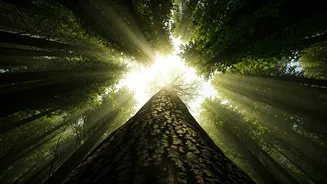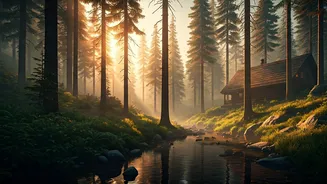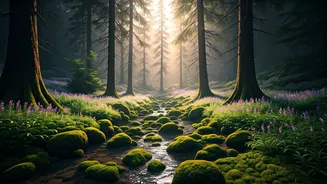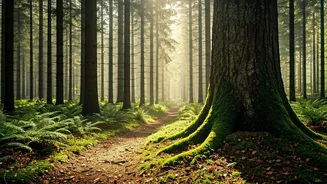






What Is a Forest Vacation?
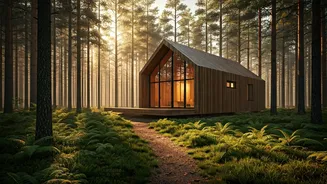
Forget a jam-packed itinerary or hunting for weak Wi-Fi signals. A forest vacation is less about a destination and more about an intention: to mindfully immerse yourself in a woodland environment. It’s a broad trend that covers everything from renting
a secluded cabin and doing nothing, to a weekend of “glamping” under a canopy of trees, to participating in guided “forest bathing” walks. The common thread isn’t roughing it; it’s about disconnecting from daily stressors and reconnecting with the natural world. This movement draws heavily from the Japanese practice of *shinrin-yoku*, or “forest bathing,” which was developed in the 1980s. The idea is to simply be in nature—engaging all five senses—to soak in its restorative atmosphere, no hiking boots required.
Why Is Everyone Doing It Now?
The surge in forest-focused travel is a direct response to the pressures of modern life. We’re more digitally connected and, paradoxically, more disconnected from our physical environment than ever. The pandemic acted as an accelerant, pushing people to seek out safe, open-air destinations and re-evaluate their relationship with work, stress, and well-being. After being cooped up indoors, the psychological pull of vast, green spaces became undeniable. Travel data supports this, showing a sustained increase in bookings for cabins, rural getaways, and visits to national and state parks. The trend is also fueled by the wellness industry, which has embraced nature immersion as a legitimate, science-backed tool for self-care, right alongside meditation and yoga.
The Science-Backed Benefits of Trees
This isn't just about feeling good; there’s a growing body of scientific evidence that explains why time in the forest is so beneficial. Trees and plants release aromatic compounds called phytoncides, which we inhale when we’re in the woods. Studies have shown that exposure to these compounds can help boost the activity of our natural killer cells, a key part of the immune system. Furthermore, research has consistently found that spending time in a forest setting can lower levels of the stress hormone cortisol, reduce blood pressure, and decrease heart rate. Psychologically, it helps quiet the part of our brain associated with rumination (getting stuck in negative thought patterns) and improves mood, focus, and creativity. It’s a powerful, all-natural prescription for a calmer mind and healthier body.
How to Plan Your Own Forest Escape
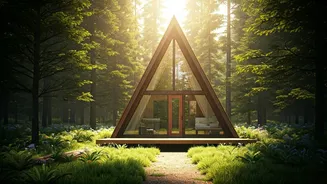
Getting in on this trend is highly scalable and can be adapted to any budget or comfort level. You don’t need to book a pricey, minimalist cabin in the woods (though you certainly can). Start local. Look up nearby state parks or nature preserves that have well-marked trails. Even a two-hour visit can have a profound effect. For a more immersive experience, rental sites like Airbnb, Vrbo, and dedicated cabin-booking platforms like Getaway offer countless options, from rustic A-frames to luxurious treehouses. If you prefer a more structured approach, search for a certified forest therapy guide in your area. These guides lead slow, meditative walks designed to help you connect with your surroundings deeply. The key is to leave your expectations—and your phone—behind and let yourself be present.