



The Land Where Earth Touches Sky
Imagine a place so vast and empty it feels like you’ve landed on another planet. Welcome to Spiti Valley, a cold desert nestled high in the Himalayas of northern India. The name itself translates to “The Middle Land,” as it sits between India and Tibet,
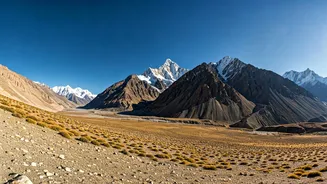
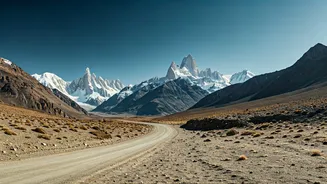
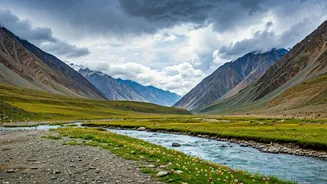
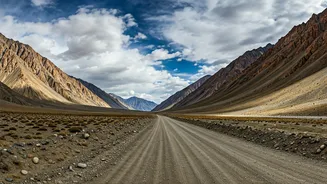
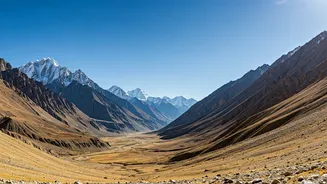
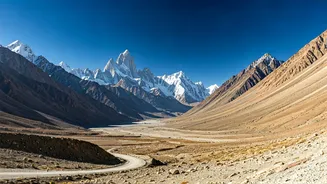
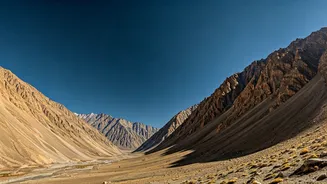
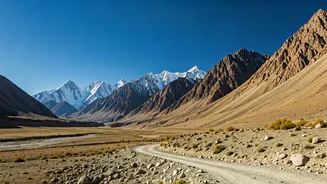
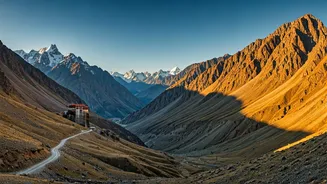
and for centuries, it has felt just as remote as that name implies. At an average elevation of around 12,500 feet, this is a world of colossal brown mountains, impossibly blue skies, and a silence so profound you can hear your own heartbeat. Unlike the lush green foothills of the Himalayas that most travelers picture, Spiti is a barren moonscape, punctuated by tiny green patches of farmland and villages that seem to grow directly out of the rock. The scale of it all is humbling. Roads are narrow ribbons carved into the sides of gravelly cliffs, and the Spiti River, a churning thread of turquoise, is your only constant companion as it carves its way through the canyon floor.
Summer’s Paradox: Cold and Dry
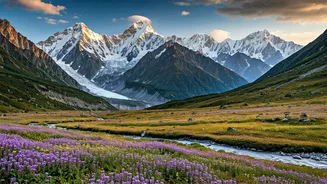
When you think of India in June, you probably picture monsoons and sweltering heat. Spiti exists in a different reality. Protected by the main Himalayan range, it lies in a rain shadow, meaning the monsoon clouds that drench the rest of the subcontinent can’t reach it. The result is a season of brilliant, unrelenting sunshine and shockingly dry air. But don’t mistake sun for warmth. While a June afternoon might feel pleasant, the thin atmosphere doesn’t hold heat. As soon as the sun dips behind the towering peaks, temperatures plummet, often dropping near freezing. You’ll wear a t-shirt and sunglasses at noon and a down jacket and beanie by dinner. June is a magical, fleeting window. It’s when the high mountain passes, like the formidable Kunzum La (15,060 feet), finally shed their winter snow, making the valley accessible by road for the first time in months. For travelers, it’s a race to get in before the roads become unpredictable again.
Defining ‘Completely Wild’
The wildness of Spiti isn't just about the potential to spot an ibex or the famously elusive snow leopard. It's a feeling woven into the very fabric of the place. It’s the lack of cell service for days on end, forcing you into a digital detox you didn't know you needed. It’s the realization that the nearest major hospital is an eight-hour, bone-rattling drive away. Wild is the raw, untamed power of the landscape itself—landslides can shut down roads for hours or days, and the elements are always in charge. The villages are small, hardy, and self-sufficient, existing in a rhythm dictated by the harsh seasons, not the 24-hour news cycle. This isn't a curated, theme-park version of adventure. It's the real deal: unpredictable, challenging, and utterly authentic. It recalibrates your sense of comfort and forces you to appreciate the basics: a warm meal, a solid roof, and a safe journey.
A Culture Frozen in Time
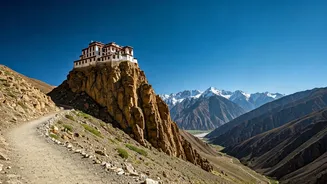
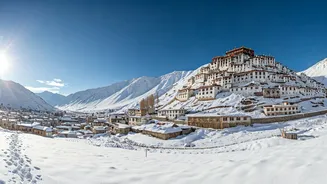
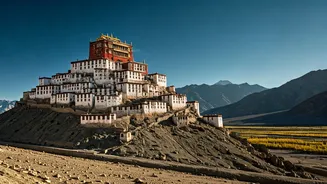
Spiti’s wildness is also cultural. Its isolation has preserved a unique form of Tibetan Buddhism that feels ancient and deeply alive. Monasteries, some over a thousand years old, cling to cliffsides in logic-defying acts of architecture. At Key Monastery, a spectacular complex that looks like a fortress from a fantasy novel, you can watch young monks chant in the morning light. In Tabo, you can step inside a low-slung mud-brick compound to find walls covered in breathtaking murals that have survived for centuries. These are not museums; they are living, breathing centers of faith. Visiting them feels less like tourism and more like quiet observation of a world that has resisted the frantic pace of modernity. The people of Spiti, with their wind-chapped faces and warm smiles, carry this same resilience and grace, offering hospitality that stands in stark contrast to the harshness of the land.