
The End of Camouflage Cooking
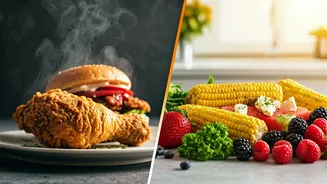
For decades, the American summer cookout was defined by a certain comforting heft. Potato salad was a creamy, homogenous scoop. Grilled chicken was slathered in thick, opaque BBQ sauce. The ingredients, while delicious, were often hidden, camouflaged
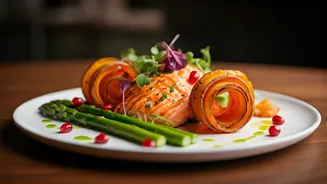
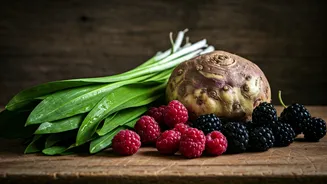
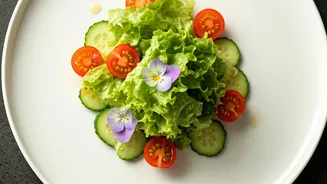
under layers of fat and flavor. That era is fading. The new visual language of summer food is all about transparency. It’s about being able to see every component on the plate. Think of a salad where every leaf, every sliver of radish, and every crumble of feta is distinct. Or a piece of grilled fish, glistening with olive oil and sprinkled with whole herbs, not buried under a blanket of sauce. This style values negative space, vibrant and un-muddled colors, and textures that are apparent at a glance. It's food that looks exactly like what it is: a pile of beautiful, fresh ingredients, simply prepared.
Driven by the Digital Eye
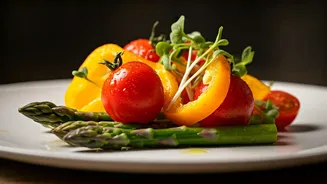
So, what’s behind this shift? In a word: cameras. We live in an era where we eat with our eyes first and our phones second. The rise of Instagram and TikTok has turned every meal into a potential photoshoot. Heavy, brown, and monochromatic foods simply don’t perform well in a visual feed. A gloopy scoop of coleslaw can’t compete with the jewel-like pop of pomegranate seeds on a bed of quinoa, or the architectural beauty of perfectly arranged heirloom tomato slices. This has created a feedback loop: people see beautiful, light food online, get inspired to make it, and then share their own visually appealing creations. Chefs and home cooks alike are now plating with the screen in mind. This isn't necessarily a bad thing; it’s pushing us toward dishes that are not only photogenic but are also, by nature, often fresher and less processed.
Wellness on a Plate
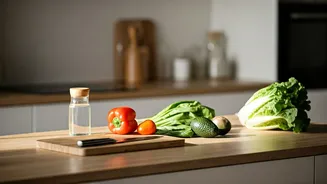
This aesthetic shift isn't just about vanity; it’s deeply intertwined with the modern wellness movement. The visual emphasis on “fresh and light” is the culinary equivalent of “clean eating.” When you can see every ingredient, it signals transparency and honesty. There are no hidden sugars, fats, or preservatives. A plate of thinly sliced cucumber, melon, and mint feels inherently healthier than a mystery casserole. This style of eating aligns perfectly with consumer desires for whole foods, plant-forward diets, and a general sense of control over what they’re putting into their bodies. The food *looks* healthy, which makes us *feel* healthy eating it. It’s a visual shortcut to a feeling of virtue and self-care, making the meal satisfying on both a physical and psychological level.
Celebrating the Ingredient Itself
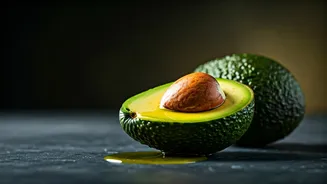
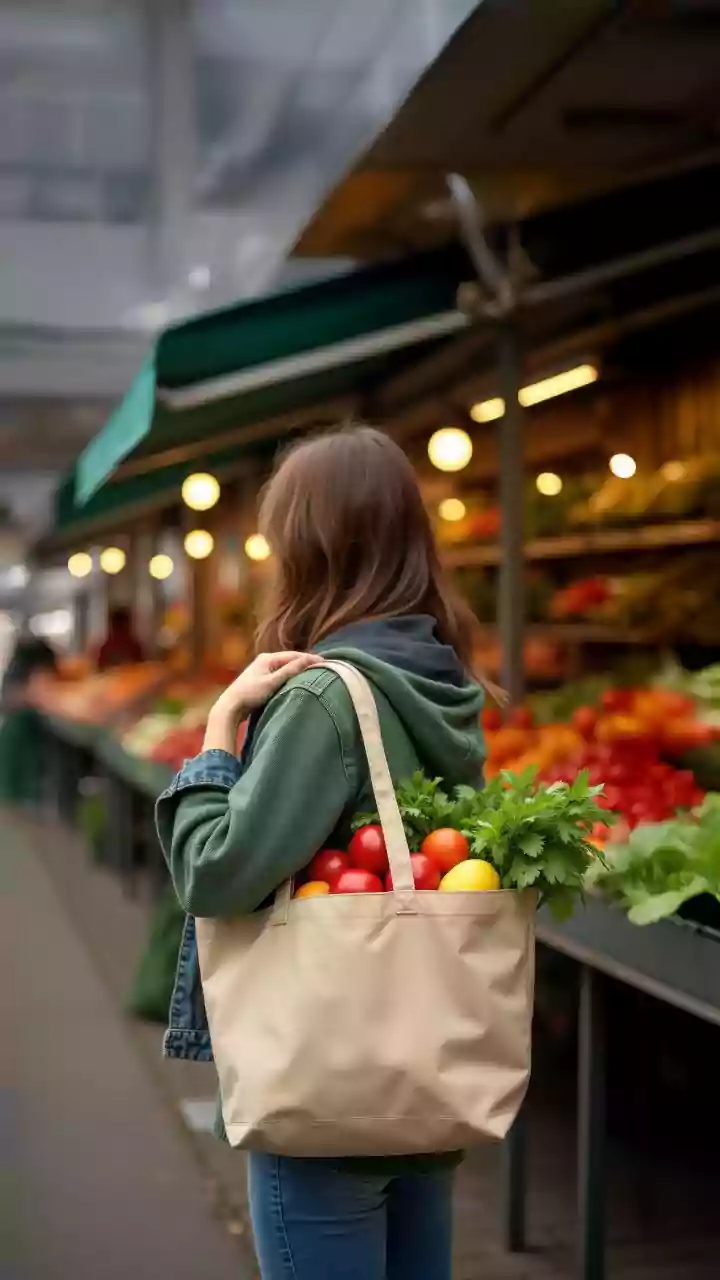
Ultimately, this trend is a celebration of the ingredient. Instead of using technique to transform or mask a food's original form, the goal is to let the ingredient shine. A perfect summer tomato doesn’t need to be cooked down into a complex sauce; it needs to be sliced, drizzled with good olive oil, and sprinkled with flaky salt. Sweet corn is best when barely cooked, its kernels bursting with flavor. This approach, often called the “farmer’s market aesthetic,” puts the focus on seasonality and quality. It requires less culinary skill in the traditional sense and more skill in sourcing. The artistry comes from the composition—how the colors, shapes, and textures of peak-season produce are combined on the plate. It’s a return to a simpler, more direct way of eating, where the star of the show isn't the chef, but the food itself.