



The Green Powerhouse: Meet Moringa
Often called the “drumstick tree” or “miracle tree,” moringa is a fast-growing, drought-resistant tree native to the Indian subcontinent. While its pods are a staple vegetable in many South Indian dishes, its leaves have gained global fame as a nutritional
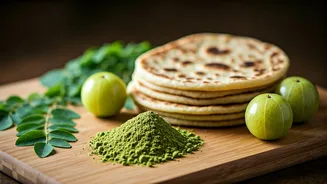
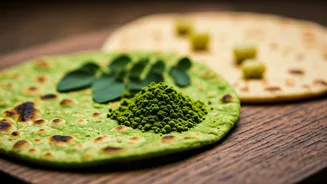
powerhouse. Packed with vitamins A, C, and E, as well as minerals like iron and calcium, moringa leaves also contain all nine essential amino acids, making them a complete plant protein. In the U.S., you’ll most commonly find moringa as a fine, vibrant green powder made from dried and ground leaves. Its flavor is distinctly earthy and green, often compared to a blend of spinach, arugula, and matcha. This unique taste means it can be a versatile addition to your spice rack, but it requires a gentle hand to avoid overpowering your dish.
The Tangy Wonder: Introducing Amla
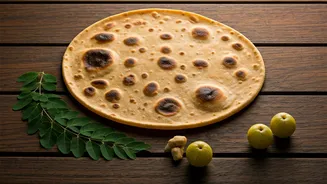
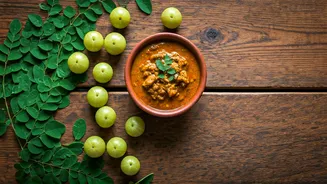
Amla, or Indian gooseberry, is a small, translucent green fruit renowned in Ayurvedic tradition for its health-promoting properties. Its claim to fame is an exceptionally high concentration of Vitamin C—reportedly many times that of an orange—which is uniquely stable even when heated or dried. The taste, however, is not for the faint of heart. Fresh amla is intensely sour, bitter, and astringent, a combination that makes your mouth pucker in a way few other fruits can. Because of its powerful tartness, amla is rarely eaten raw. Instead, it's traditionally pickled, candied (amla murabba), or dried into a powder. As a powder, it functions as a souring agent, similar to amchur (dried mango powder) or tamarind, but with a unique nutritional profile. It’s this powdered form that offers the easiest entry point for boosting your curries.
How to Use Moringa in Your Curries
Integrating moringa powder into your cooking is simple, but a few rules of thumb will ensure you get the benefits without a bitter surprise. The key is to treat it like a finishing herb, not a spice to be bloomed in hot oil. First, start small. A single teaspoon is often enough for a family-sized pot of curry. Too much can lend an unpleasant, medicinal bitterness. The best time to add it is during the final few minutes of cooking. Stir the powder into the gravy and let it simmer for just a minute or two. This brief heating helps meld the flavors without destroying its delicate nutrients. Moringa’s earthy flavor pairs beautifully with lentil dishes (dals), coconut-based curries, and leafy green preparations like saag. Think of it as a way to amplify the “green” notes in a dish. Try adding a teaspoon to your next spinach dal or Palak Paneer for an extra layer of flavor and a serious nutritional boost.
Taming the Tartness of Amla
Amla powder’s bold, sour flavor can be a game-changer if you know how to balance it. Use it as a direct substitute for other souring agents to add complexity and a dose of Vitamin C. If your recipe calls for tamarind paste or amchur, try swapping in half a teaspoon of amla powder and tasting before adding more. The secret to cooking with amla is balance. Its sharp tartness needs to be offset by other flavors. It works wonderfully in dishes that already have a sweet or fatty component. In a rich, tomato-based chana masala, amla powder can cut through the richness and brighten the overall flavor. It’s also fantastic in South Indian-style fish or prawn curries, where it can complement the sweetness of coconut milk and the heat of red chilies. Don't be afraid to add a pinch of jaggery, brown sugar, or coconut sugar to your curry to create a more rounded sweet-and-sour profile when using amla.
Simple Curry Upgrade Ideas
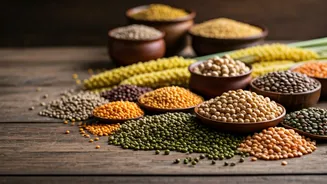
Ready to try? Here are two easy starting points: 1. **Creamy Lentil Dal with Moringa:** Prepare your favorite masoor or toor dal. In the last two minutes of simmering, stir in one teaspoon of moringa powder along with a squeeze of lemon juice. The moringa deepens the earthy flavor of the lentils while the lemon brightens it. 2. **Tangy Chickpea Curry with Amla:** When making a standard chickpea curry (chana masala), reduce the amount of tomatoes or tamarind slightly. About 10 minutes before it’s done, add a half-teaspoon of amla powder. Notice how it provides a clean, tangy finish that’s different from other souring agents.