


The Valley That Wakes for the Rains
Deep in the Garhwal Himalayas of Uttarakhand, India, lies a place so mythically beautiful it was declared a UNESCO World Heritage Site. This is the Valley of Flowers National Park, an alpine meadow that remains largely dormant and snow-covered for most
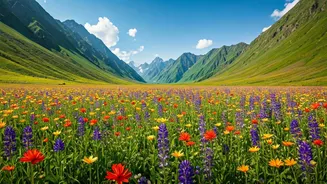
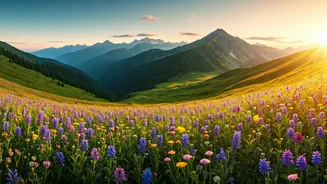
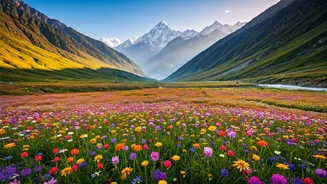
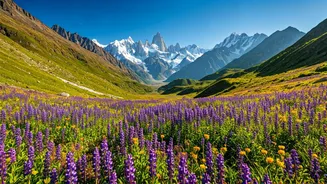
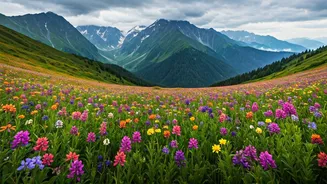
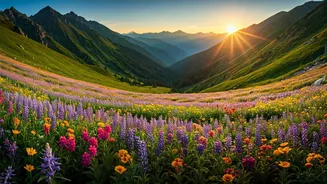
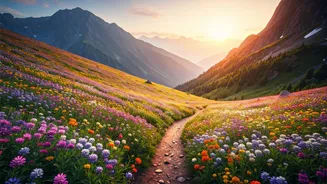
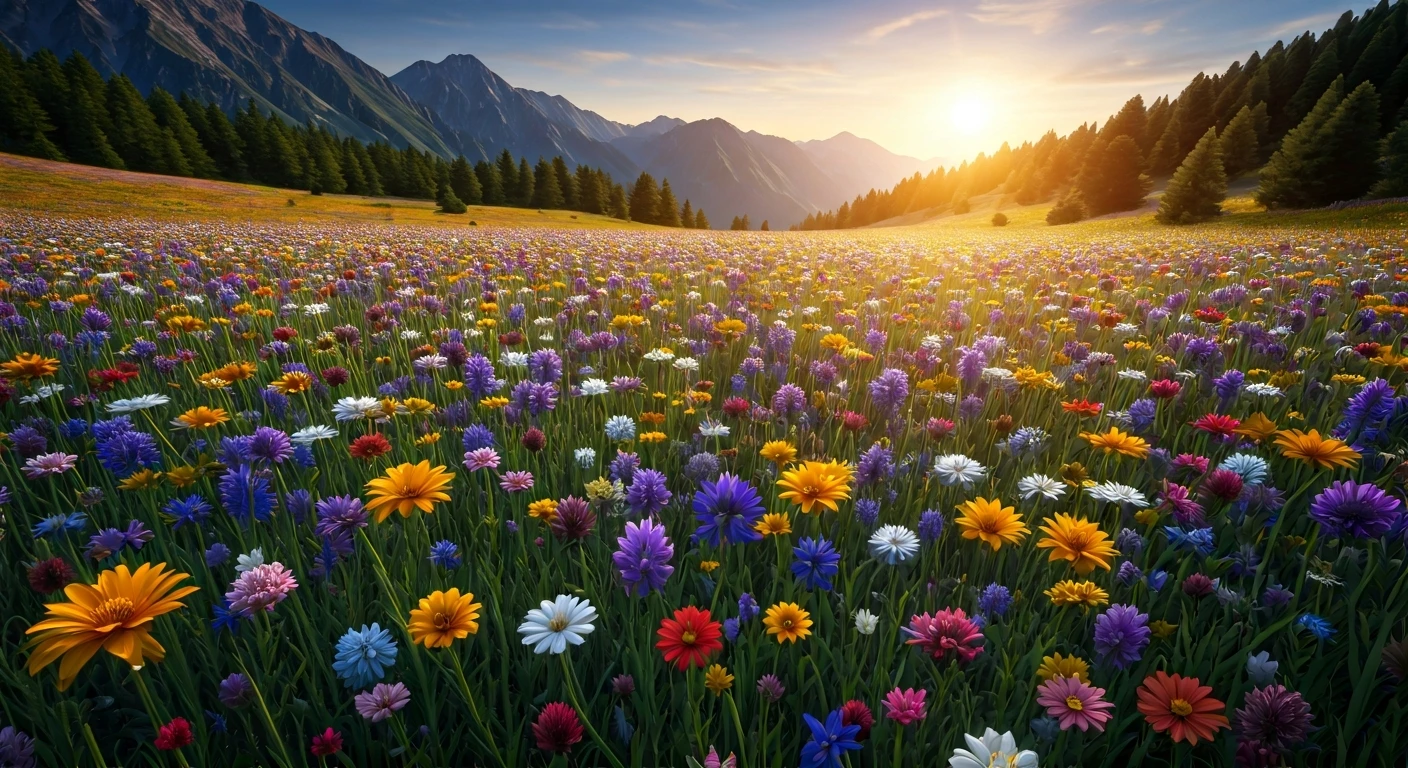
of the year. But when the summer monsoon arrives, typically from late June through August, it triggers one of nature’s most spectacular performances. The entire valley floor, stretching for miles, erupts in a symphony of color. This isn’t a manicured garden; it’s a wild, untamed explosion of over 500 species of flowers, many of which are found nowhere else on earth. The sheer scale and vibrancy of it all, set against a backdrop of dramatic, snow-dusted peaks, is what makes this trek a bucket-list item for nature lovers and adventurers worldwide.
Nature's Perfectly Timed Masterpiece
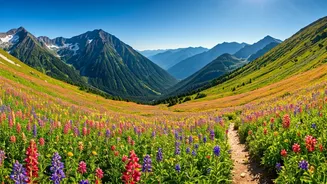
What makes the Valley of Flowers so special is its ephemeral nature. The monsoon isn’t just a rainy season here; it’s the lifeblood of the ecosystem. The moisture awakens dormant seeds and rhizomes, and for a brief window, the valley becomes a high-altitude botanical wonderland. Trekkers are greeted by swathes of potentillas, geraniums, primulas, and wild roses. The landscape is a living canvas, changing colors weekly as different species take their turn to dominate the scenery. Among the most sought-after sights are the elusive blue poppy, a flower of almost electric-blue intensity, and the Brahma Kamal, a rare, saucer-shaped bloom that flowers at night and is revered in local folklore. This fleeting, once-a-year phenomenon is why timing is everything. Miss the window, and you’ll find a green, but far less dramatic, valley.
The Journey to Paradise
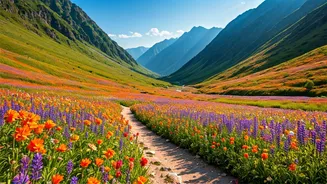
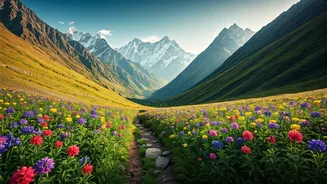
Getting to this floral paradise is an adventure in itself. The trek is considered moderate in difficulty, but it requires a decent level of fitness and, crucially, a willingness to embrace the mountain weather. The journey typically starts from the village of Pulna, a short drive from Govindghat. From there, it’s a steady climb of about 9 miles to the base camp village of Ghangaria. This part of the trail is a pilgrimage path, shared with Sikh devotees heading to the sacred site of Hemkund Sahib, creating a vibrant, communal atmosphere. After a night in Ghangaria to acclimatize, you make the final push into the Valley of Flowers itself. The moment you pass the entry gate and the valley opens up before you, with the Pushpawati River meandering through fields of purple, yellow, and pink, is a core memory in the making.
Beyond the Petals
While the flowers are the main draw, the region offers more. From the base camp at Ghangaria, a separate, more strenuous trek leads to Hemkund Sahib. This is one of the most revered pilgrimage sites in Sikhism, featuring a stunning star-shaped gurudwara (Sikh temple) set beside a glacial lake at an altitude of over 15,000 feet. Surrounded by seven snow-capped peaks, the atmosphere here is one of profound spirituality and awe-inspiring natural beauty. Many travelers make it a point to visit both the Valley of Flowers and Hemkund Sahib on consecutive days, creating a journey that is both a physical challenge and a deeply soulful experience. The contrast between the lush, life-filled valley and the stark, sacred beauty of the high-altitude lake is unforgettable.
Planning Your Epic Trek
If the FOMO is hitting, here’s what you need to know. The prime window to see the blooms at their peak is from mid-July to mid-August. The park has set opening and closing times, and you need to purchase a permit to enter. Because you’re trekking during the monsoon, waterproof gear is non-negotiable—a good rain jacket, waterproof pants, and sturdy, broken-in hiking boots are essential. The trail can get muddy and slick. Accommodations in Ghangaria are basic but functional, catering to the thousands of trekkers and pilgrims. Most importantly, respect the altitude. Acclimatizing properly in Ghangaria before heading to the valley or Hemkund Sahib is key to enjoying the experience safely.