



The Song of the River
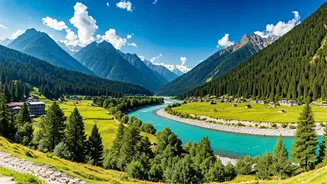
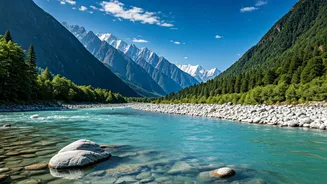
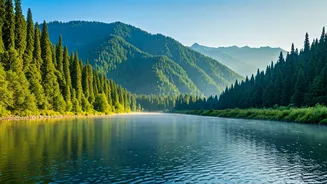
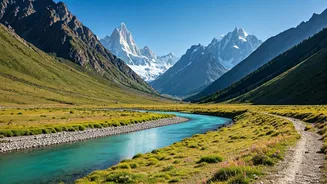
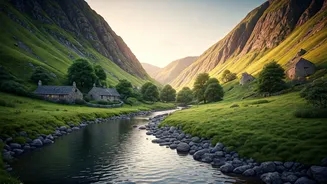
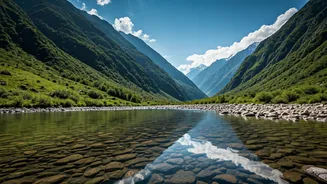
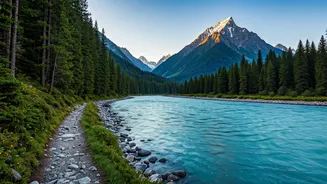
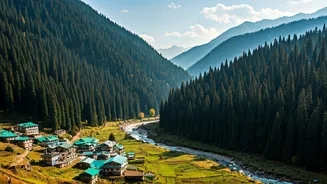
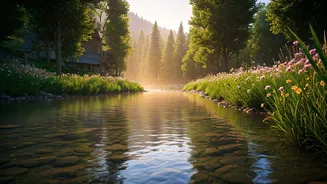
The valley is named for the Tirthan River, a pristine, turquoise artery that flows down from a glacial spring in the heart of the Himalayas. This isn't a river for massive boats or commercial cruises; it's a waterway for contemplation and simple pleasures.
The region is famous for its trout, and angling is a meditative pastime for many visitors. You can spend an afternoon casting a line for brown or rainbow trout (with the proper permit), or simply find a smooth, sun-warmed boulder by the water's edge and read a book. The river’s constant, soothing rush becomes the soundtrack to your stay, a natural white noise machine that washes away the stress of daily life. Dozens of small, wooden bridges crisscross the river, connecting villages and offering picture-perfect moments at every turn.
Trails for Every Pace
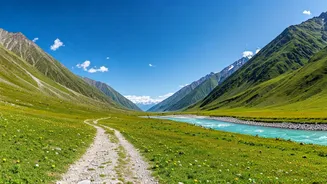
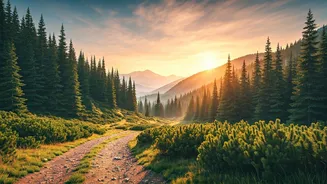
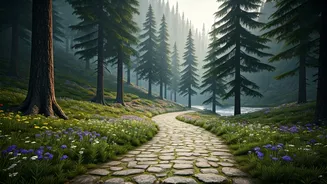
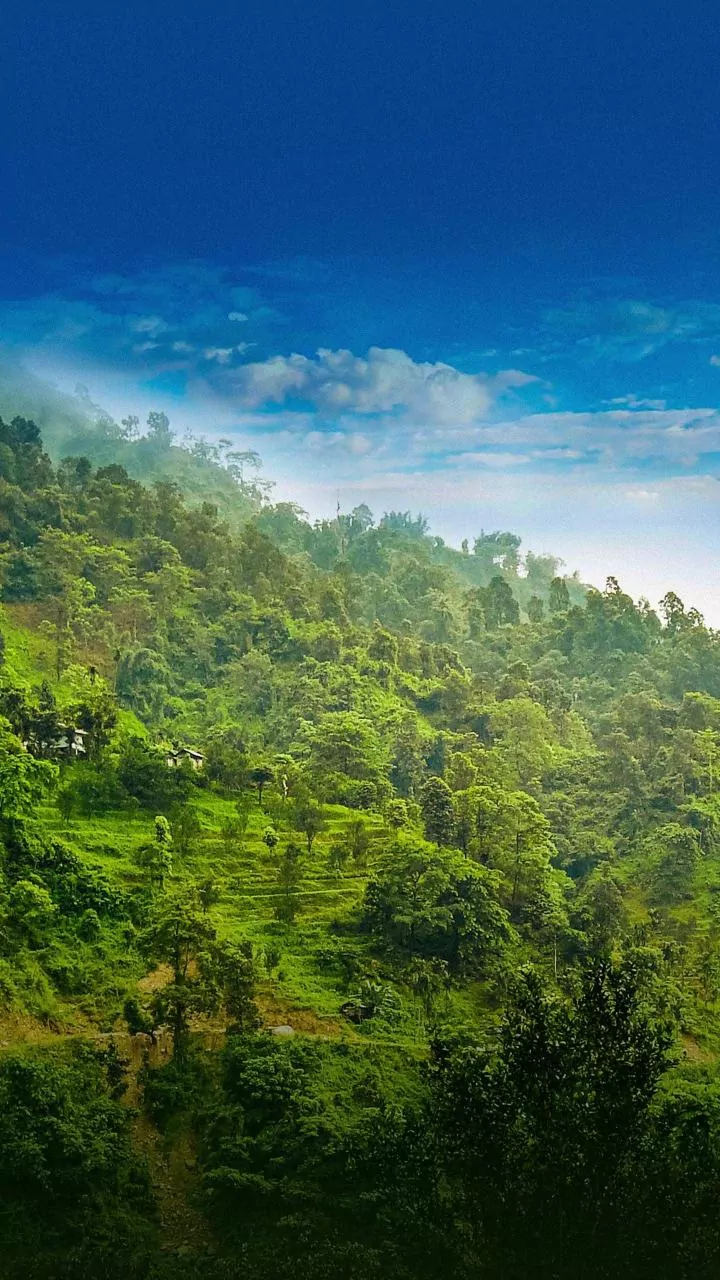
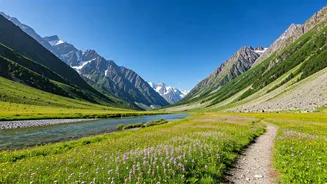
Tirthan Valley serves as the eco-tourism gateway to the Great Himalayan National Park, a UNESCO World Heritage Site teeming with biodiversity. This protected status has kept the area's trails exceptionally wild and beautiful. You don't have to be a seasoned mountaineer to enjoy them. Gentle walks meander through dense deodar forests, past terraced fields of maize and apple orchards, and into storybook villages like Gushaini and Nagini. For the more ambitious, multi-day treks lead to stunning alpine lakes, high-altitude meadows, and panoramic viewpoints that reveal the sheer scale of the Himalayan range. Popular routes include the Jalori Pass trek and hikes to the hidden Serolsar Lake. Whichever path you choose, you’ll be rewarded with clean mountain air and a sense of profound connection to nature.
The Luxury of Silence
Perhaps the valley's most potent offering is its silence. This isn’t just the absence of noise; it's a presence. The region has deliberately avoided the large-scale hotel developments that have commercialized other mountain towns. There are no sprawling resorts or noisy nightlife strips here. Instead, accommodation is primarily in charming, family-run homestays and guesthouses. This model fosters a slower, more intimate style of travel. Evenings are for enjoying home-cooked Himachali food, sharing stories with your hosts, and stargazing in skies unobscured by city lights. Cell service can be spotty, encouraging a welcome digital detox. It’s a place that invites you to put your phone away and listen—to the wind in the pine trees, the distant call of a bird, and the quiet rhythm of your own thoughts.
How to Plan Your Escape
Getting to Tirthan Valley is part of the adventure. The nearest airport is Kullu-Manali Airport (KUU) in Bhuntar, about a 2-hour drive away. Alternatively, many travelers take an overnight bus from Delhi or Chandigarh to Aut, the main turn-off for the valley, and then hire a local taxi for the final scenic leg of the journey. The best times to visit are during the spring and summer months (March to June) for pleasant weather and lush greenery, or in the autumn (September to November) for crisp air and clear mountain views. While packing, focus on layers, comfortable walking shoes, and a sense of curiosity. Leave the packed itinerary behind; Tirthan Valley is best experienced without a strict plan.