




The Champagne of Teas, The Drama of The Rains
For Americans, the name Darjeeling likely conjures an image of a steaming cup, perhaps a tin labeled “the champagne of teas.” Located in the Lesser Himalayas of West Bengal, India, the region’s identity is steeped in its world-famous tea. The annual cycle
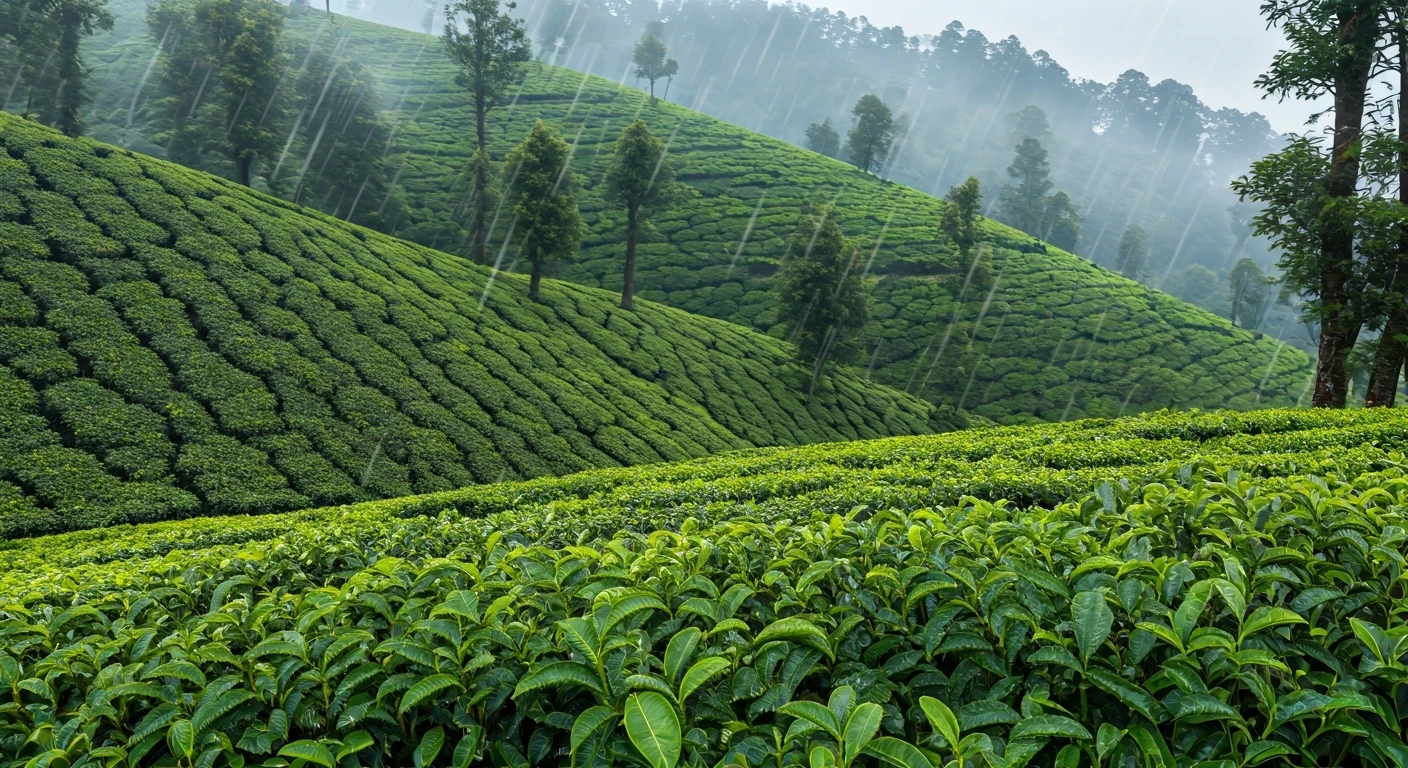
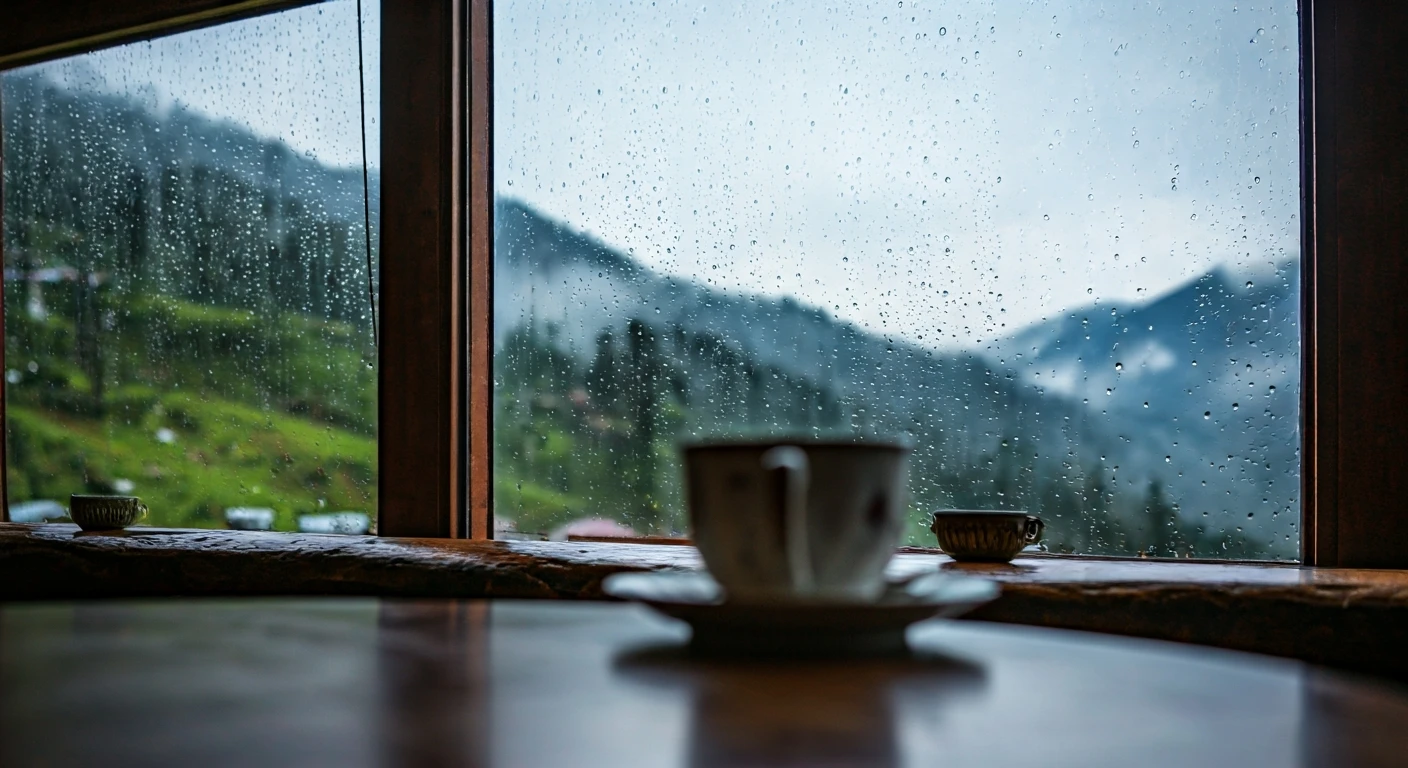
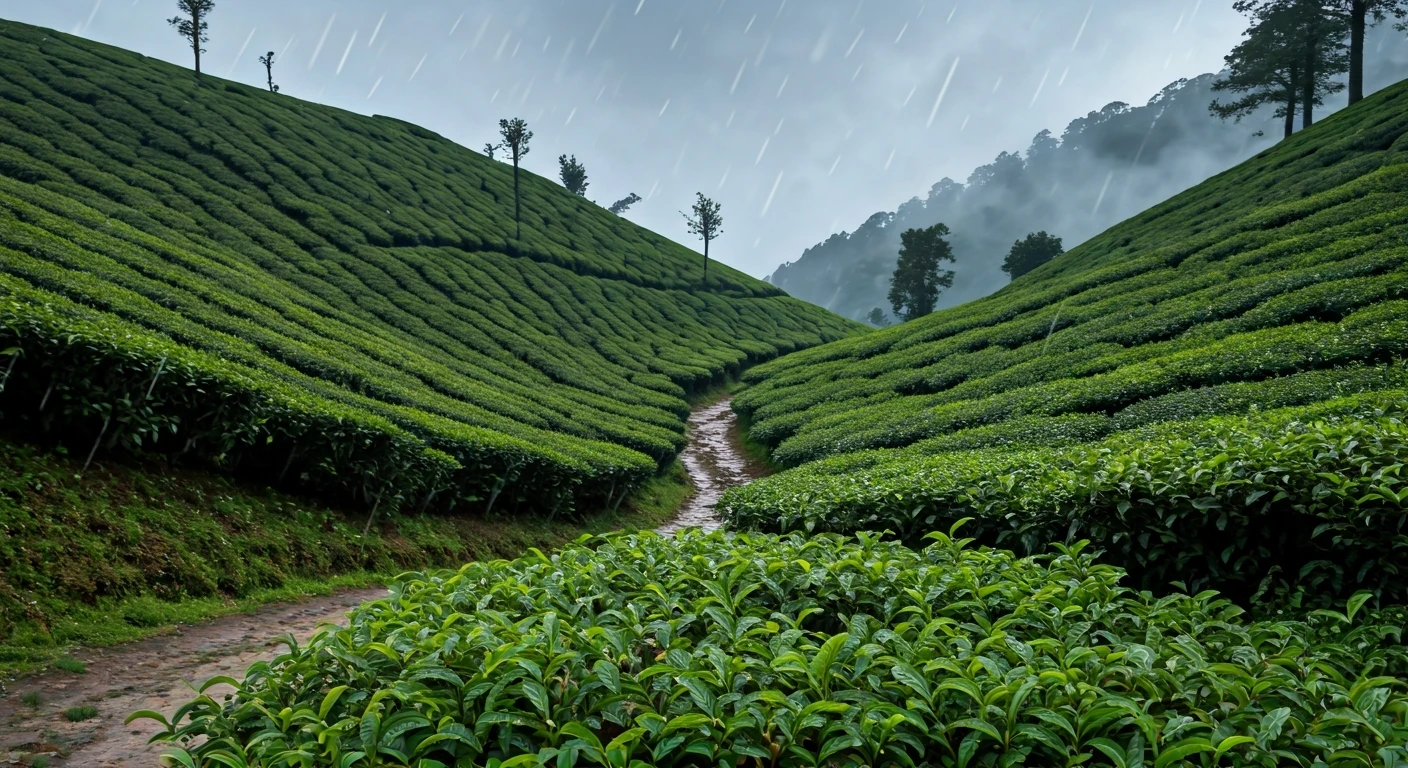
of harvests, or “flushes,” dictates life here. While the first flush in spring is light and floral, it’s the second flush, harvested just before the monsoon's full arrival in June, that develops the coveted “muscatel” flavor—a complex, fruity note that connoisseurs prize. But immediately following this crucial harvest, the heavens open. For months, from June to September, relentless rain and thick fog define Darjeeling. Historically, this was a period of quiet patience, a time for the tea bushes to drink deep and recuperate. Now, it’s showtime.
A Cinematic History Steeped in Scenery
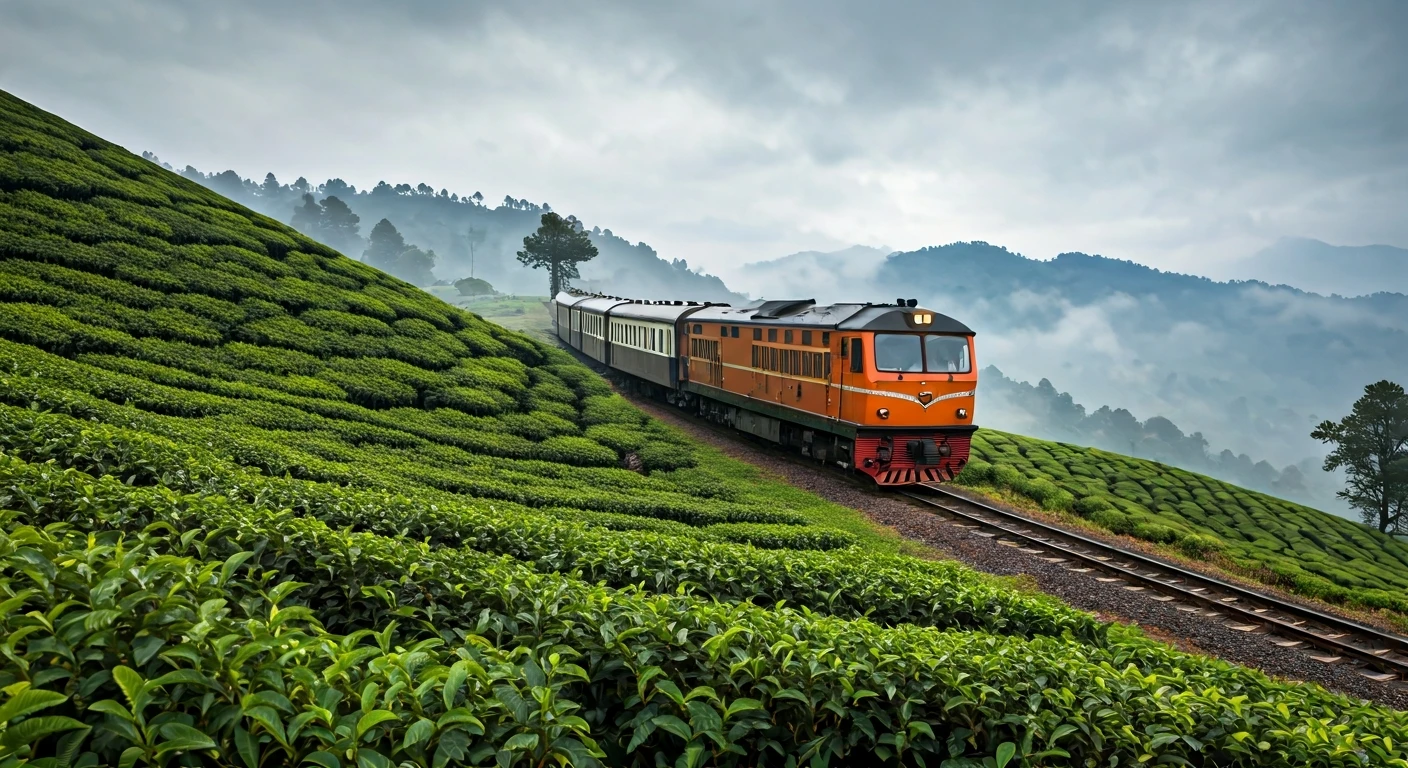
Darjeeling has never been a stranger to the camera. Its colonial-era architecture, charming “toy train” (a UNESCO World Heritage Site), and jaw-dropping views of Kanchenjunga, the world's third-highest peak, have provided a backdrop for Indian cinema for decades. Legendary director Satyajit Ray filmed his masterpiece Kanchenjungha here in 1962, capturing the subtle social dynamics of a wealthy family against the backdrop of the misty mountains. More recently, the 2012 Bollywood blockbuster Barfi!, a whimsical, critically acclaimed comedy-drama, showcased the town's charming streets and verdant landscapes to a new generation, sparking a fresh wave of tourism. Yet, most of these productions favored the clear, sunny skies of spring and autumn. The monsoon was something to be avoided, a logistical nightmare of washed-out roads and unpredictable light.
The Allure of the Monsoon Aesthetic
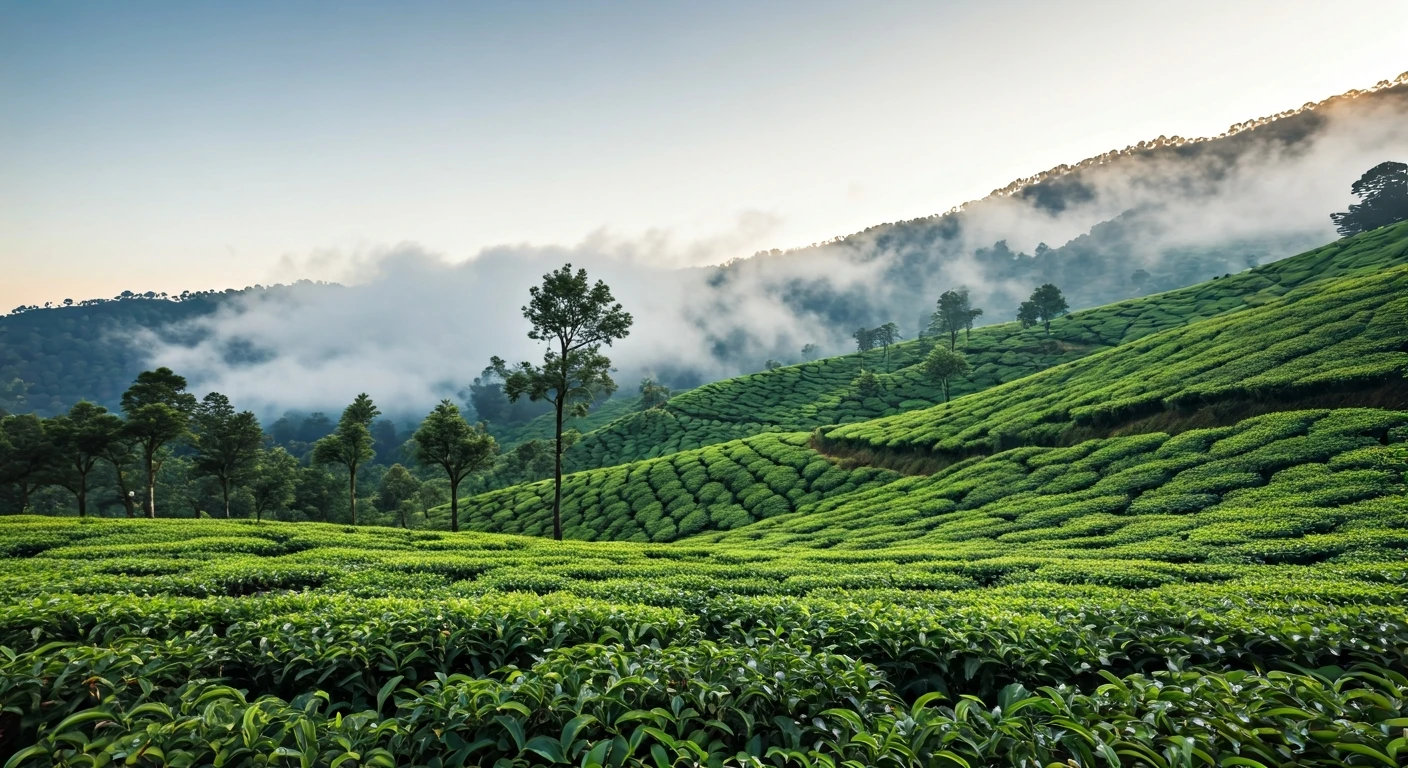
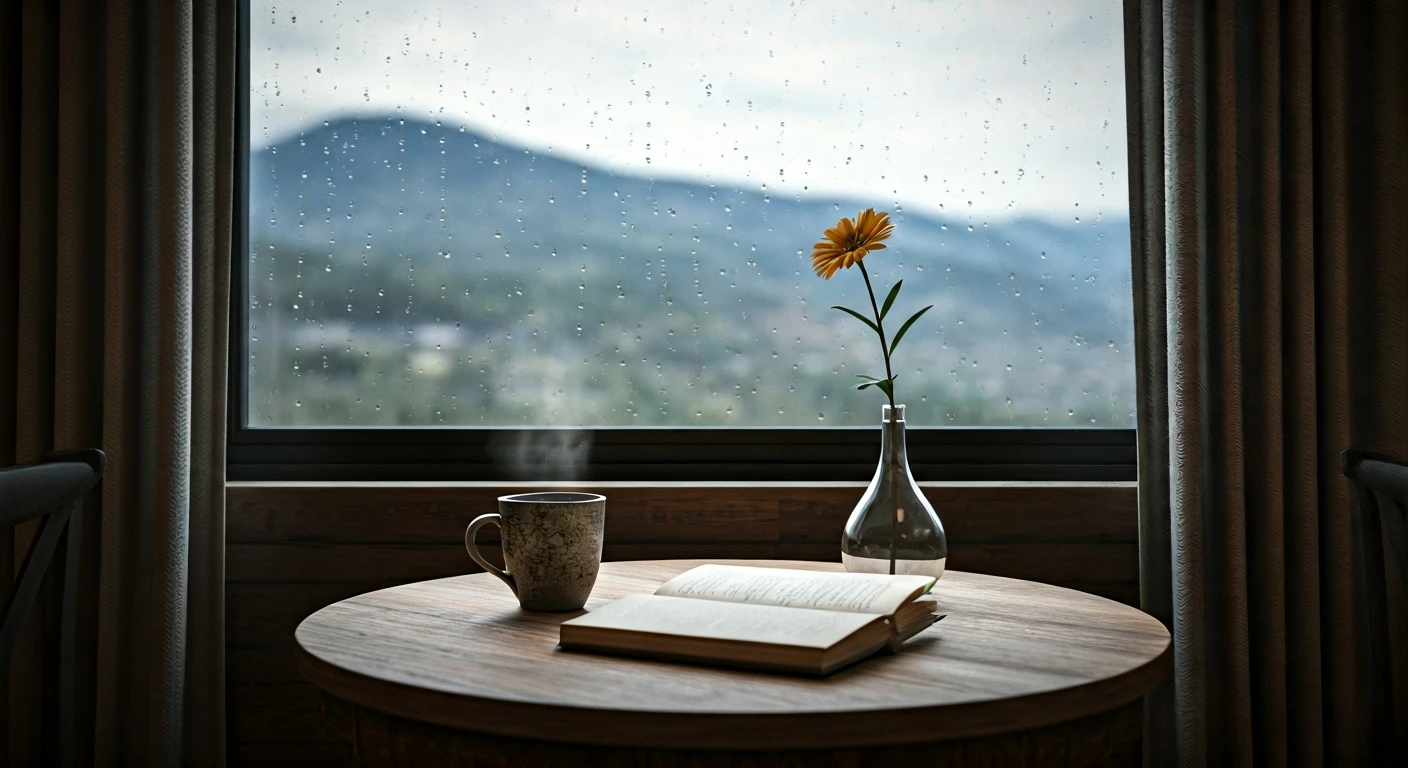
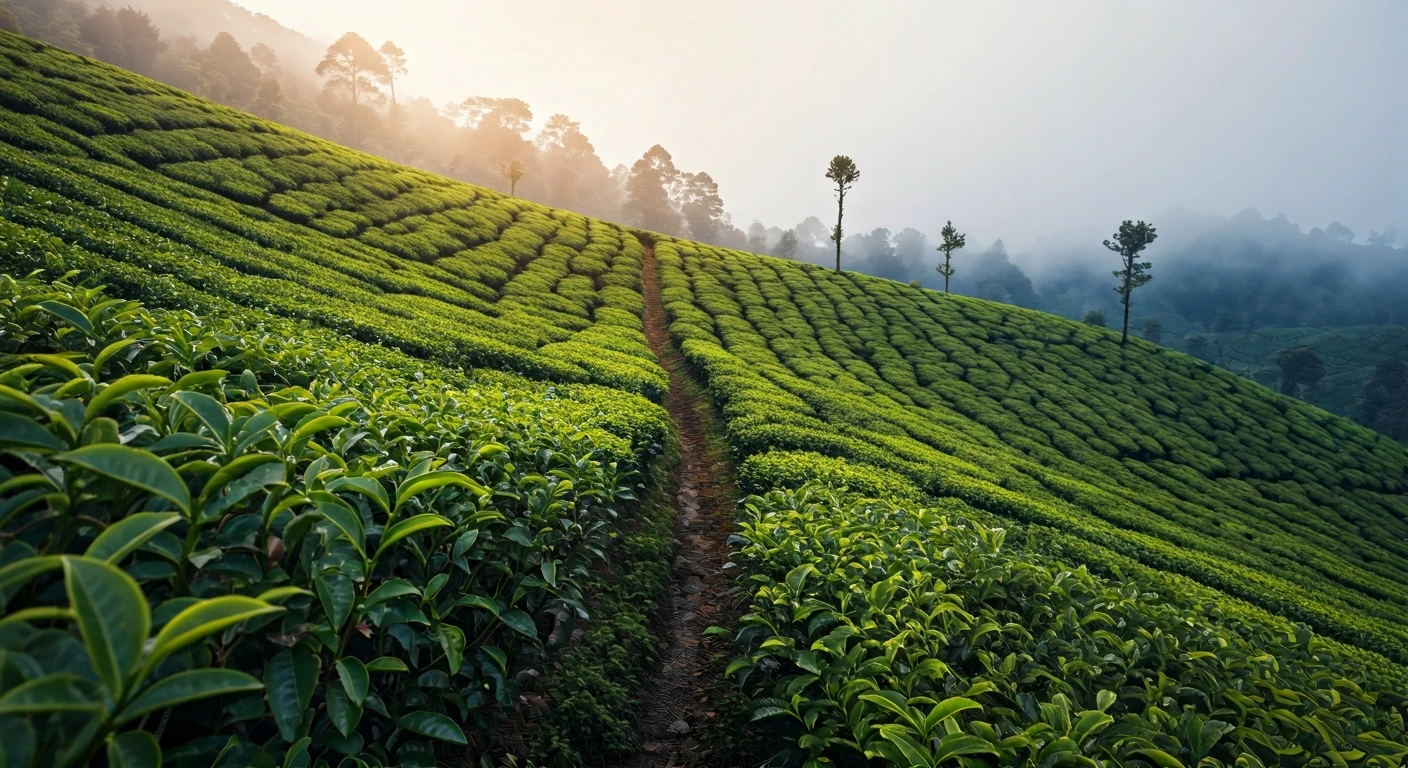
Something has shifted. In today's visual culture, mood is currency. The perfectly imperfect, atmospheric aesthetic—popularized on platforms like Instagram and in modern cinematography—has found its ideal setting in Darjeeling’s rainy season. Filmmakers and content creators are realizing that the monsoon isn’t a bug; it’s a feature. The rolling fog creates a natural diffuser, softening the light and lending every shot an ethereal, dreamlike quality. Rain-slicked leaves and cobblestones glisten under streetlights, adding texture and depth. The drama is built-in. A scene of quiet introspection feels more profound when framed by a window streaked with rain. A chase sequence becomes more frantic when characters are slipping on wet moss and disappearing into thick mist. This is a landscape that doesn't just sit in the background; it participates in the story, lending it a sense of melancholy, romance, or suspense that a sunny day simply can't match.
From Plantation to Production Set
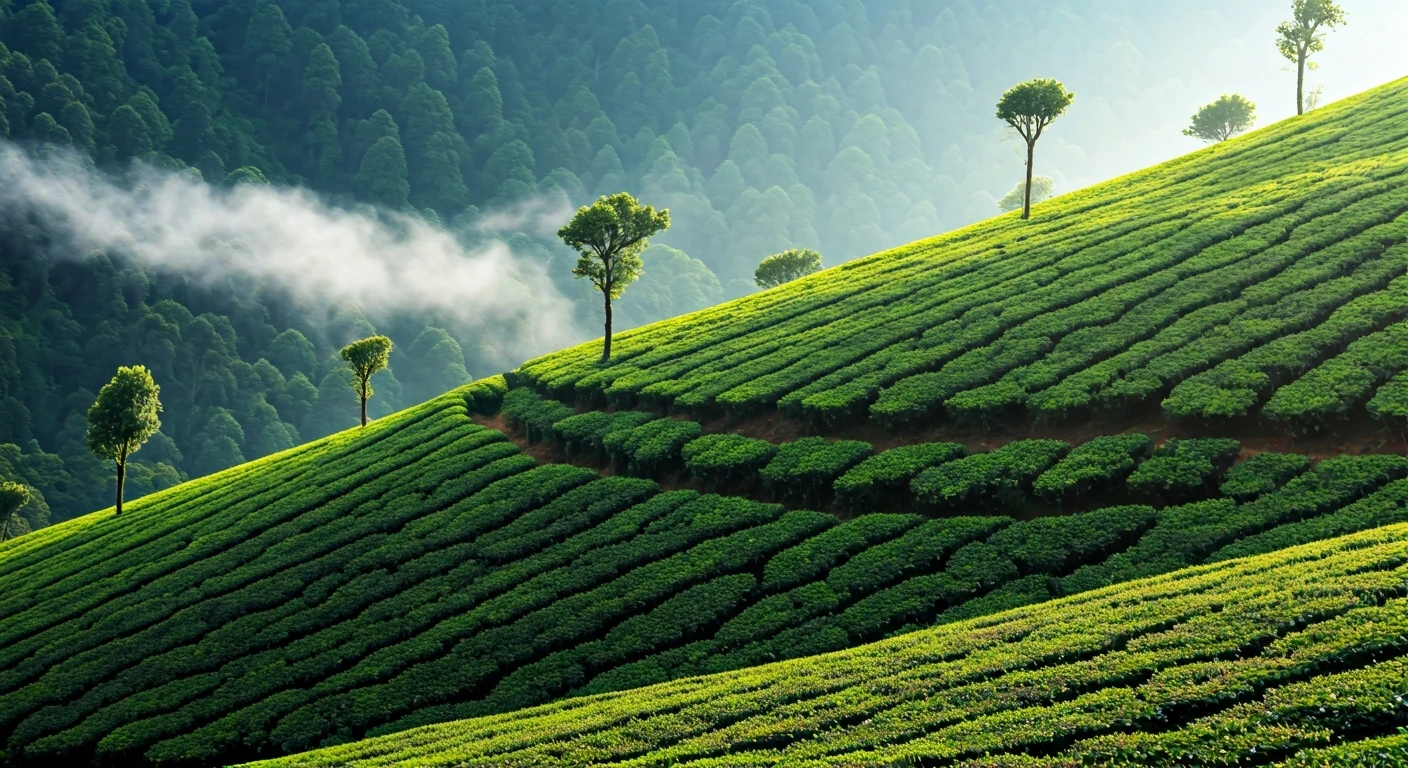
For the historic tea estates, many of which have faced economic pressures in recent years, this trend offers a new revenue stream and a chance at the global spotlight. Heritage bungalows, once home to British planters, are now being booked as atmospheric accommodations for film crews. The sprawling gardens, with their perfectly manicured rows of tea bushes vanishing into the clouds, provide a ready-made set that requires little dressing. This cinematic boom brings both opportunities and challenges. It provides vital income during the tourist off-season and creates jobs for locals as guides, drivers, and production assistants. However, it also requires a delicate balance. The logistics of moving heavy equipment over mountain roads during landslides are not for the faint of heart, and care must be taken to ensure that filming activities do not disrupt the fragile ecosystem or the ongoing work of tea cultivation that remains the region's lifeblood.