
The Great Heat Escape
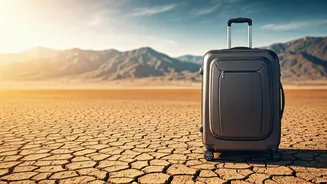
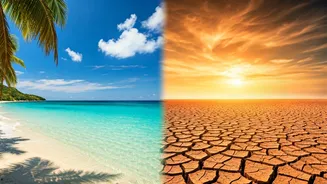
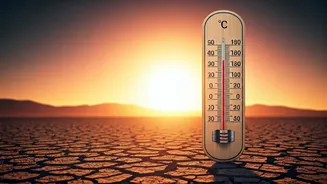
This isn't your typical summer vacation surge. It’s a climate-driven exodus. With temperatures in major hubs like Delhi and Mumbai consistently soaring well past 110°F (43°C), the search for relief has become a national obsession. Travel portals and agencies
across India have reported an unprecedented spike—anywhere from 25% to 40%—in bookings for mountain destinations. This isn't just about seeking pleasant weather; for many, it's about escaping conditions that feel increasingly unbearable and even dangerous. The trend, dubbed "revenge travel from heat," shows a clear shift in domestic tourism priorities. While summer has always been a popular travel season, the sheer intensity and duration of recent heatwaves have transformed a leisurely choice into an urgent necessity. Online searches for “cool places near me” have skyrocketed, and destinations that promise even a few degrees of temperature drop are experiencing a deluge of interest. Hotels, homestays, and tour operators in the Himalayan foothills are reporting near-full occupancy rates, a boom that began weeks earlier than usual as the heat set in across the subcontinent.
The Himalayan Honeypots
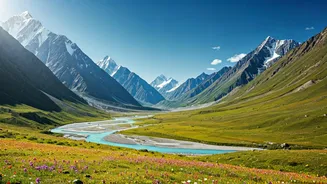
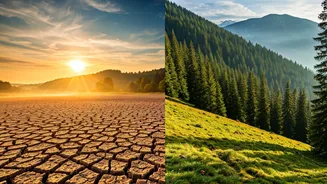
The destinations of choice are the storied hill stations of northern India, many of which were originally established by the British as summer capitals to escape the very same heat. Classic spots like Shimla (Himachal Pradesh), Mussoorie (Uttarakhand), and Darjeeling (West Bengal) are at the top of the list. These towns offer a postcard vision of escape: colonial-era architecture, winding mountain roads, and, most importantly, crisp, cool air. Travelers are flocking to these regions for the simple pleasure of needing a light jacket in the evenings. But the demand is so high that tourists are also pushing further and higher. The remote, high-altitude desert landscapes of Leh and Ladakh, once considered an adventurer’s pilgrimage, are now seeing mainstream family traffic. Other popular getaways include Manali, known for its adventure sports and access to scenic passes, and Nainital, famous for its picturesque lake. The appeal is universal: a respite from the punishing sun, stunning mountain vistas, and a chance to breathe air that doesn’t feel like it’s being blasted from a furnace.
When Escape Creates Gridlock
This massive influx is a double-edged sword. While the economic boom is a lifeline for local businesses recovering from the pandemic, the infrastructure of these small mountain towns is groaning under the strain. The dream of a serene mountain escape often clashes with the reality of 10-mile traffic jams on narrow, winding roads leading into popular towns like Manali and Shimla. Viral social media videos show cars gridlocked for hours, turning the escape route into a parking lot. This phenomenon of "overtourism" is creating significant challenges. Local resources, particularly water, are being stretched to their limits. Waste management systems are overwhelmed, and the fragile Himalayan ecosystem is under pressure from the sudden population swell. For local residents, the tourist boom means both income and inconvenience, as the very tranquility that defines their home is disrupted by the crowds desperate to share it.
A Glimpse of a Hotter Future
The 2024 Indian summer travel trend is more than just a passing fad; it's a stark preview of how climate change will reshape our behavior, including how and why we travel. What's happening in India is a microcosm of a global phenomenon. In the U.S., residents of Phoenix and Las Vegas have long made a ritual of escaping to the cooler climes of Flagstaff or Southern California's mountains. As extreme weather events become more common worldwide, we can expect to see more of this climate-driven mobility. This new reality will force destinations to adapt. It will also force travelers to reckon with the impact of their search for comfort. The desire to flee the heat is perfectly understandable, but when millions of people have the same idea at the same time, it creates a new set of problems. The great Indian heat escape is a compelling, complex story about resilience, adaptation, and the unforeseen consequences of a warming planet.