






1. Choose the Right Oil
The biggest selling point of an air fryer is using less oil, but the *type* of oil you use is just as important. Many common oils, like extra virgin olive oil, have low smoke points, meaning they can break down at the high temperatures inside an air fryer.
When an oil passes its smoke point, it not only loses nutritional value but can also create harmful compounds. For air frying, opt for oils with high smoke points. Avocado oil is a fantastic, neutral-tasting choice. Other great options include ghee (clarified butter), grapeseed oil, and light or refined olive oil (not extra virgin). A light spritz is all you need to achieve that golden-brown finish without compromising the health benefits.
2. Don't Just Cook—Add Nutrients
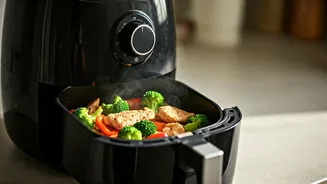
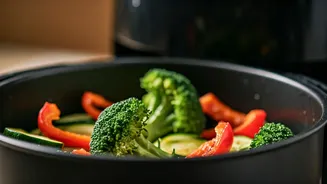
Think of your air fryer basket as prime real estate for nutrition. Instead of just cooking a single item, use the opportunity to add more goodness. Tossing in a handful of kale or spinach for the last few minutes of cooking will give you crispy, nutrient-packed chips. Mixing chopped broccoli, bell peppers, or zucchini in with your chicken or potatoes not only adds flavor and color but also significantly boosts your meal's fiber and vitamin content. The goal is to shift your mindset from simply making a 'less-unhealthy' version of a fried food to creating a genuinely nutrient-dense meal. The air fryer is a versatile vegetable roaster, not just a french fry machine.
3. Mind the Temperature
While blasting food at 400°F gets things crispy fast, extreme heat can be the enemy of delicate nutrients. Certain vitamins, particularly water-soluble ones like Vitamin C and B vitamins found in vegetables, are sensitive to heat. You don't have to abandon crispiness, but consider a slightly more moderate approach. For many vegetables, cooking at 350-375°F instead of the maximum temperature can help retain more of their nutritional integrity while still achieving a delicious, roasted texture. It might take a few extra minutes, but the nutritional payoff is worth the wait. Save the highest heat for finishing touches or for foods where a hard sear is the primary goal.
4. Rethink Your Breading
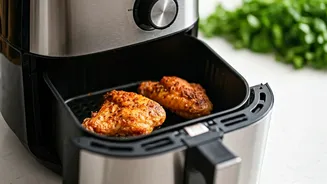
A crispy coating is one of the air fryer’s greatest talents, but traditional breadcrumbs offer little more than empty carbs. This is a perfect opportunity for a major nutritional upgrade. Instead of plain white breadcrumbs, try using crushed nuts like almonds or walnuts for a dose of healthy fats and protein. Ground flaxseed or chia seeds can create a fantastic crust while adding omega-3 fatty acids and fiber. Even whole-wheat panko or a sprinkle of nutritional yeast for a cheesy, savory flavor can be a significant step up. This simple swap turns a basic breaded chicken tender or fish fillet into a much more complex and satisfying meal.
5. Manage High-Starch Foods
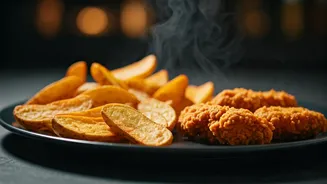
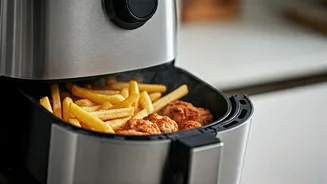
When starchy foods like potatoes are cooked at very high temperatures, a chemical called acrylamide can form. While the research is ongoing and the risk from home cooking is considered low, it's a smart practice to minimize its formation. An easy trick for potatoes is to soak them in water for 15-30 minutes before air frying. This helps rinse away some of the surface starches that contribute to acrylamide production. Pat them thoroughly dry before oiling and cooking. Additionally, aim for a golden-yellow color on your fries or roasted potatoes, not a dark brown or burnt one. This indicates a lower level of acrylamide and, frankly, a better taste.
6. Pair with Smart Dips and Sides
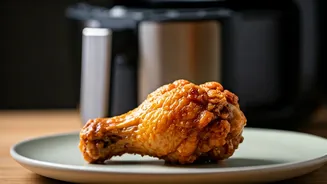
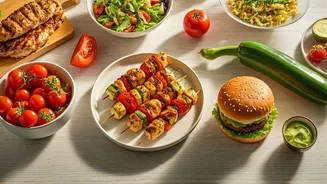
You can follow every nutritional hack for your air-fried chicken wings, but if you drown them in a sugary, store-bought BBQ sauce, you've undone some of your hard work. The same goes for serving perfectly air-fried veggies with a bottle of creamy, high-fat ranch dressing. Your healthy main deserves an equally healthy partner. Try a Greek yogurt-based dip seasoned with fresh herbs, a simple vinaigrette, or a zesty salsa. These options add flavor and even more nutrients (like protein from the yogurt) without loading up on sugar, unhealthy fats, and preservatives. A great meal is about the whole plate, not just the part that came out of the air fryer.