



The Island of Monasteries
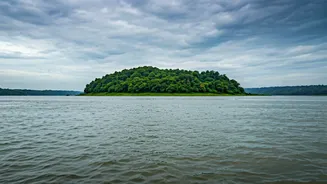
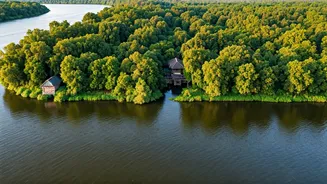
To find this magic, you must travel to Majuli, nestled in the middle of the powerful Brahmaputra River in the Indian state of Assam. Recognized as the world's largest river island, Majuli is not just a geographical curiosity; it's the cultural capital
of the region. The island is dotted with *sattras*—monastic centers of the Neo-Vaishnavite faith, a form of Hinduism that blossomed here in the 15th and 16th centuries. These sattras are not silent, cloistered institutions. They are vibrant, living hubs of art, music, dance, and craftsmanship, where life revolves around devotion expressed through creative performance. The air is thick with the sound of chanting, the rhythmic beat of drums, and the stories of gods and heroes passed down through generations.
When Masks Tell the Story
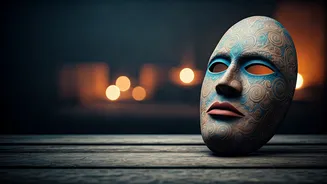
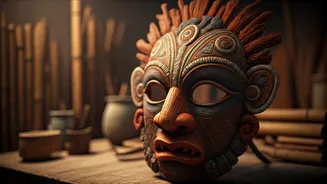
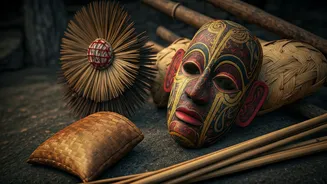
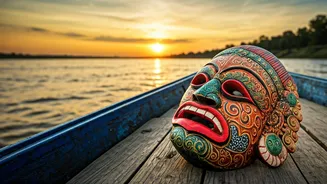
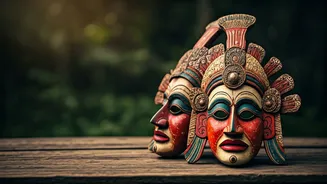
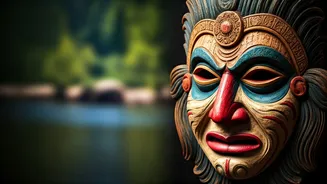
At the core of Majuli’s performance art is the *bhaona*, a traditional form of religious theatre. These plays bring to life the epic tales of Hindu scripture, especially the adventures of Lord Krishna. And to portray the vast cast of divine beings, demons, animals, and mythical heroes, the actors don extraordinary masks, or *mukhas*. A mask of the ten-headed demon king Ravana inspires awe and fear. One depicting the loyal monkey-god Hanuman radiates strength and devotion. Another, showing the serene face of Vishnu, embodies cosmic peace. These are not static props; they are conduits for divinity and drama. When an actor puts on a mask, they are believed to channel the spirit of that character, transforming the performance from a simple play into a powerful spiritual experience for the entire community.
The Art of Creation
The creation of a Majuli mask is an art form as sacred as the stories it tells. It’s a tradition known as *mukha xilpo*, passed down through families of artisans for centuries. The process is entirely organic, beginning with a framework of split bamboo. This skeleton is then covered with layers of cloth dipped in a sticky clay sourced from the riverbed, often mixed with cow dung, which acts as a natural adhesive and preservative. The artisan meticulously sculpts the facial features—the sharp nose of a demigod, the bulging eyes of a demon—using their hands and simple tools. After drying in the sun, the mask is painted with vibrant, natural pigments made from minerals and plants. Masters of the craft, like the renowned Dr. Hemchandra Goswami of the Samaguri Sattra, are revered as cultural custodians, ensuring every detail aligns with the scriptural descriptions of the characters.
A Fragile and Resilient Legacy
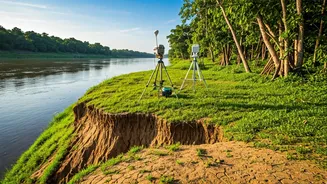
This enchanting tradition, however, exists in a precarious balance. Majuli Island is constantly under threat from the very river that created it. Each monsoon season, the Brahmaputra washes away significant portions of the island, shrinking its landmass and displacing communities, including the sattras and the artisans who live there. Beyond the environmental threat, there is the slow creep of modernity. As younger generations are drawn to opportunities in cities, there is a risk that this intricate, time-consuming craft could be left behind. Yet, the spirit of Majuli is resilient. The artisans and monks continue to practice their craft with unwavering dedication, while growing recognition from the outside world brings both hope and tourism. The masks have become a powerful symbol not just of faith, but of a unique culture's fight for survival.