


Don Bradman’s 99.94 Batting Average
This is cricket's holy grail, the statistical equivalent of a unicorn. In Test cricket, the sport’s most demanding format, a player’s batting average is their total runs scored divided by the number of times they’ve been out. An average of 50 is world-class.
The best players in history hover in the mid-50s. Australia’s Sir Donald Bradman retired with an average of 99.94. To put this in an American context, it’s like a baseball player retiring with a career batting average of .450 when the all-time greats are around .360. He was so far beyond his peers that it seems like a typo. He needed just four runs in his final game to average a perfect 100 but was dismissed for a duck (zero runs). That single failure somehow makes the near-perfection of his record even more legendary.
Sachin Tendulkar’s 100 International Centuries
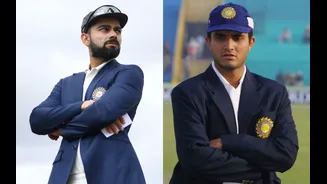
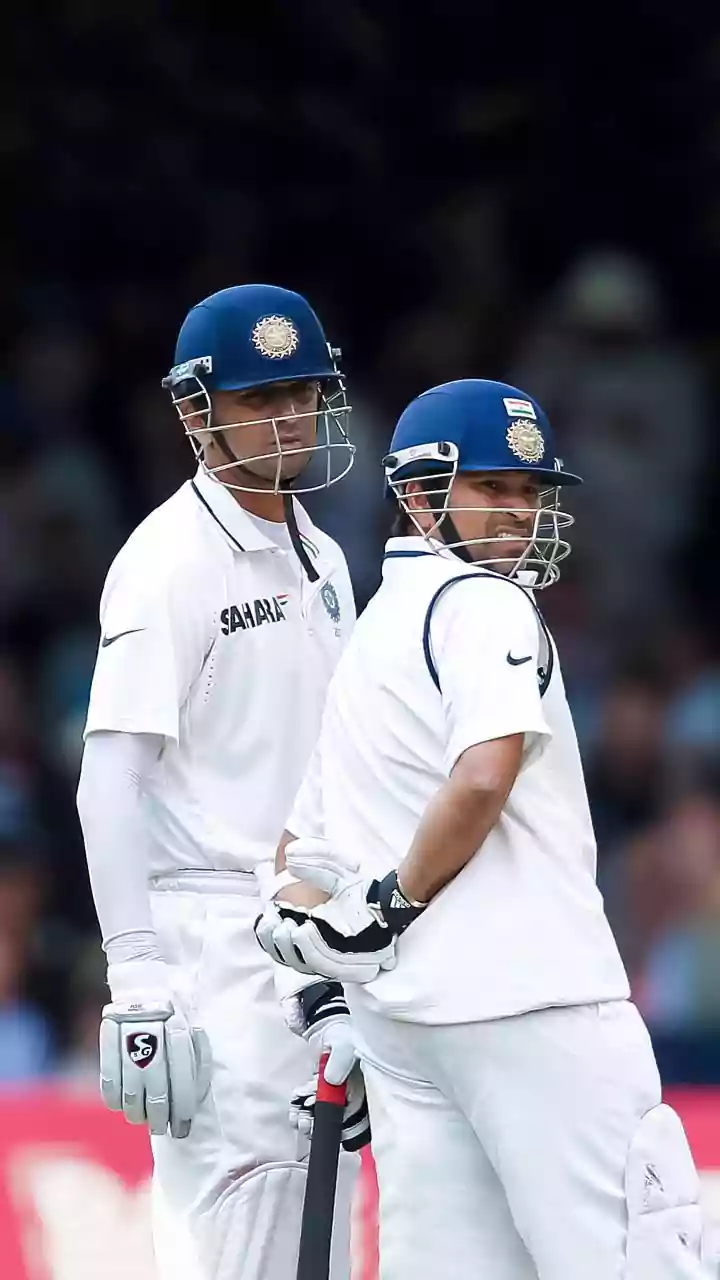
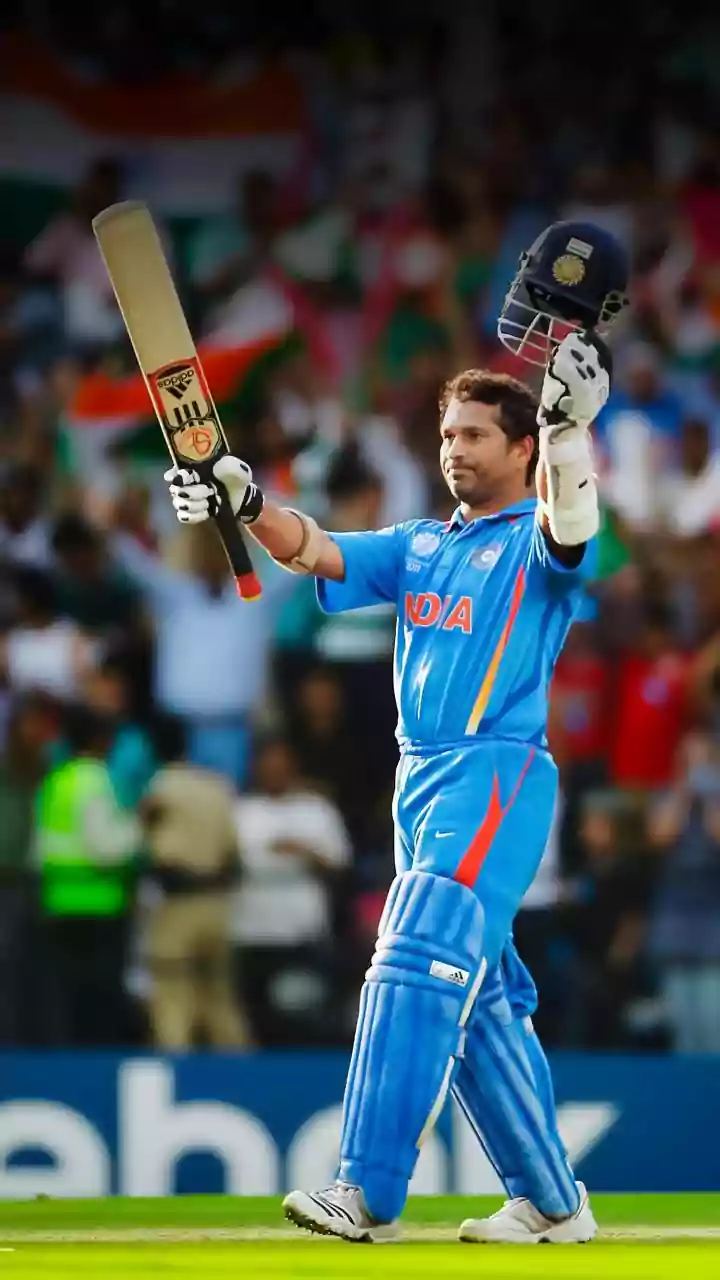
If Bradman’s record is about untouchable perfection, Sachin Tendulkar’s is about impossible longevity and consistency. A “century” is scoring 100 runs in a single innings, a major milestone for any batter. India’s Tendulkar did it 100 times in international matches. Think of it as hitting 100 career walk-off home runs, each one a significant, game-defining achievement. Over a career spanning 24 years, he carried the hopes of a billion people and delivered time and time again. The player with the second-most centuries, Virat Kohli, is a modern-day legend himself and is still a long way off. In an era of specialized players and grueling schedules, playing long enough and staying good enough to even approach this milestone seems inconceivable.
Muttiah Muralitharan’s 1,347 International Wickets
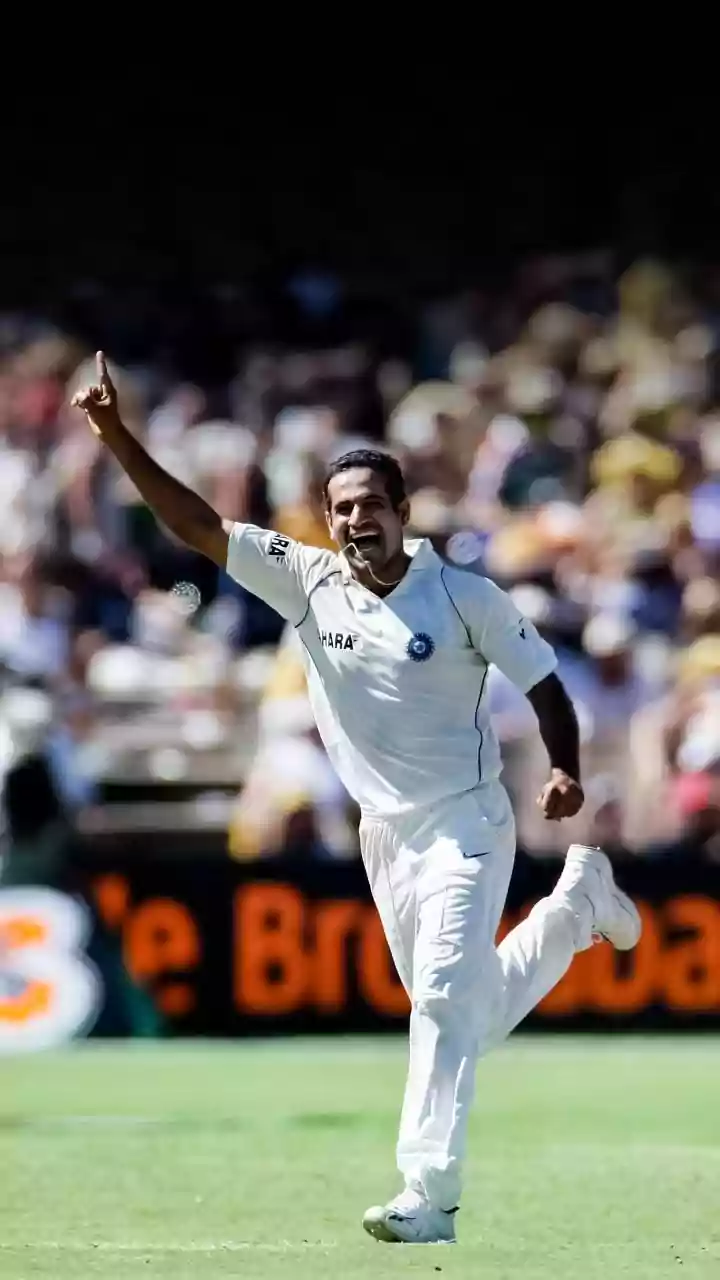
Now for the bowlers. A bowler's job is to take “wickets”—getting the batter out. Sri Lanka’s Muttiah Muralitharan (universally known as Murali) took 1,347 of them in his international career, including a staggering 800 in Test matches alone. Murali was a wizard, a spinner with a hyper-flexible wrist and a controversial-but-legal bowling action that made the ball do physics-defying things. He was a relentless wicket-taking machine. The next closest bowler in Test history is more than 100 wickets behind, a massive gap in cricket terms. For a pitcher-batter analogy, this is like Nolan Ryan’s strikeout record (5,714) combined with Cy Young's win record (511)—a number built on a unique physical gift and decades of dominance that modern athletes, with their carefully managed workloads, will likely never get near.
Jim Laker’s 19 Wickets in a Match
This record represents the single most dominant performance in the sport’s history. In a Test match, each team has two innings to bat, meaning there are 20 possible wickets for the opposition to take. In 1956, England’s off-spinner Jim Laker took 19 of them against Australia. Nineteen. Out of twenty. He took 9 wickets for 37 runs in the first innings and 10 for 53 in the second—the first and only time a bowler has taken all ten wickets in a Test innings. This feat is so singular it’s almost comical. It’s like a defensive end recording a sack on 19 of a team's 20 offensive plays. The perfect storm of pitch conditions, weather, and a bowler at the absolute peak of his powers created a statistical anomaly that has stood untouched for over 65 years.
Rohit Sharma’s 264 in a One-Day Game
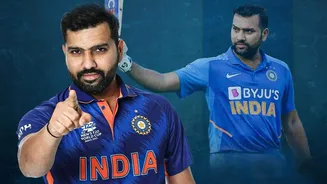
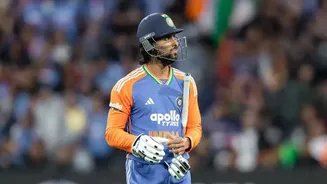
While Test cricket is a marathon, One-Day Internationals (ODIs) are a middle-distance race where each team bats for 50 overs (300 legal deliveries). In this format, scoring a double-century (200 runs) was long considered the batter's four-minute mile. Then came India’s Rohit Sharma. In 2014, he didn’t just score 200; he smashed his way to 264. It’s the cricketing version of Wilt Chamberlain’s 100-point game in the NBA—a number so outrageously high it recalibrates the limits of what’s possible in a single performance. While several other players have scored 200, no one has come remotely close to Sharma’s 264. He completely broke the mold for what a single player could achieve in a limited-overs game.