




The Perfect Corner Candidate
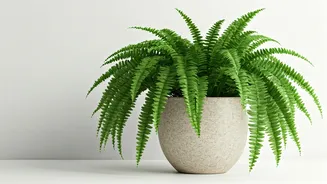
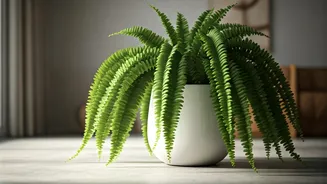
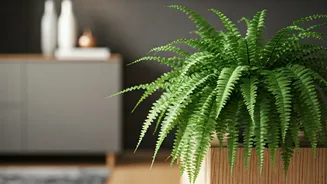
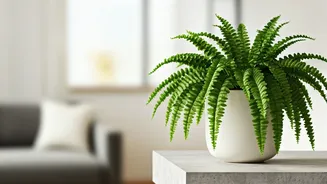
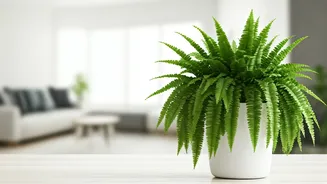
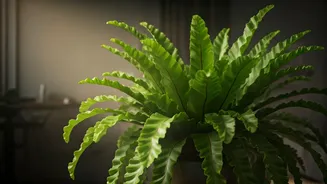
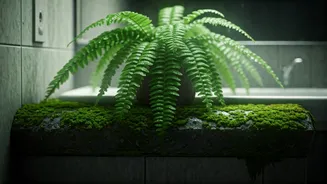
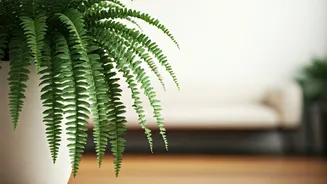
What makes a Boston fern (Nephrolepis exaltata) so perfect for a corner? It’s all about its growth habit. Unlike plants that grow straight up, the fern’s arching fronds extend both vertically and horizontally, creating a gentle, rounded silhouette that fills
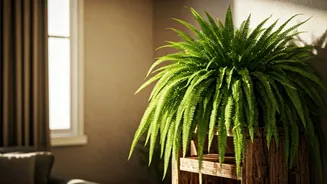
space without overwhelming it. A corner provides a natural backdrop, allowing the intricate texture of its leaves to stand out. Placing it in a hanging basket or on a tall plant stand in a corner allows its foliage to drape elegantly, creating a curtain of green that draws the eye and adds a layer of sophisticated, natural decor. This unique shape makes it an ideal candidate for spaces that can otherwise feel barren or awkward, like the empty spot next to a bookshelf or behind an armchair.
Recreating Their Native Home
The secret to a thriving Boston fern lies in understanding its origins. These plants are native to the humid, dappled light of tropical and subtropical forest floors. That’s the “safe corner” they’re built for—a place shielded from harsh, direct sun and bathed in moisture. In our homes, a corner is often the perfect analog. A north- or east-facing window provides the gentle, indirect light they crave, while being tucked away from a window protects them from the scorching afternoon sun that can easily crisp their delicate fronds. By choosing a corner, you’re not just finding a place for your plant; you’re instinctively recreating the sheltered understory environment where it would naturally flourish.
The All-Important Humidity
If there is one non-negotiable for a Boston fern, it is humidity. This is where many well-intentioned plant parents go wrong. Modern homes, especially with central heating and air conditioning, are often far too dry. A fern will tell you it’s unhappy by developing crispy, brown edges on its fronds. To keep your plant lush, you must supplement the ambient humidity. The easiest method is regular misting with a spray bottle every day or two. For a more passive approach, place the pot on a tray filled with pebbles and water. As the water evaporates, it creates a moist microclimate around the plant. Grouping it with other humidity-loving plants can also help. And if you’re truly dedicated, placing a small humidifier nearby is a surefire way to make your fern feel right at home.
Water and Light Wisdom
Finding the right balance of water and light is crucial. Boston ferns prefer soil that is consistently moist but never waterlogged. A good rule of thumb is to water thoroughly when the top inch of soil feels dry to the touch. Allow excess water to drain away completely; letting the plant sit in a saucer of water can lead to root rot. During the winter, when growth slows, you can reduce watering slightly. For light, think “bright but indirect.” A spot a few feet from an east-facing window is ideal. A north-facing window also works well. If you only have a sunny south- or west-facing window, pull the plant back several feet or use a sheer curtain to diffuse the light and prevent sunburn. The fern’s color is a good indicator: a healthy plant will be a vibrant, rich green. Yellowing fronds may signal too much sun or improper watering.
Solving Common Problems
Even with the best care, you might encounter a few issues. Crispy, browning tips are almost always a cry for more humidity. Yellowing fronds at the base are often normal, as the plant sheds old leaves to make way for new growth; you can simply trim them off. However, widespread yellowing can indicate overwatering or underwatering, so check your soil moisture. If you notice a fine webbing on the plant, you might be dealing with spider mites, which are drawn to dry conditions. Combat them by raising humidity and wiping the fronds with a damp cloth or spraying with an insecticidal soap. A little bit of periodic maintenance, like trimming away dead fronds and gently shaking the plant to remove shed leaves from its center, will keep it healthy and looking its best.