


The Allure of Hyper-Reality
We’ve all seen them: 15-second clips of the Swiss Alps, the Colorado Rockies, or the Patagonian Andes set to an emotional, trending audio track. A hiker stands on a precipice, a drone swoops through a valley, or the morning sun crests over a distant ridge.
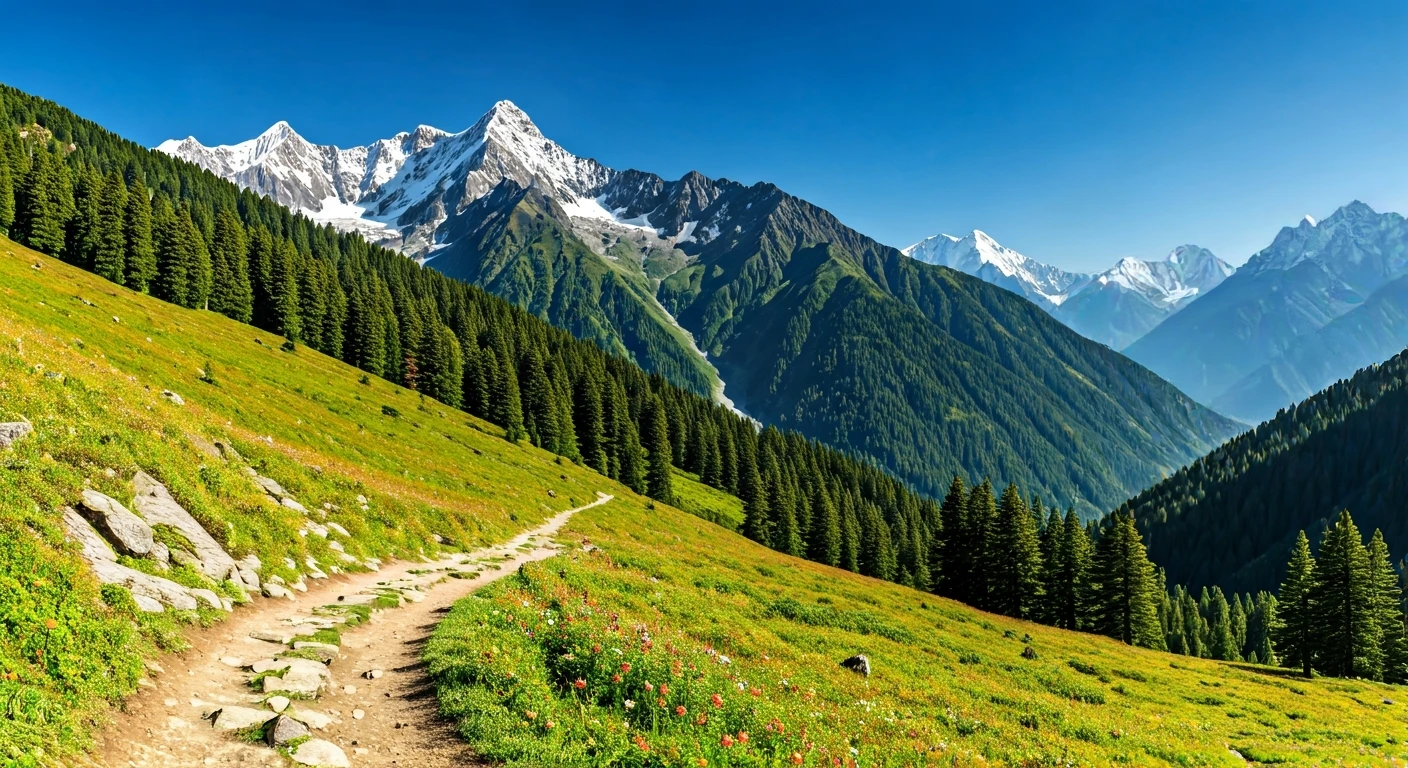
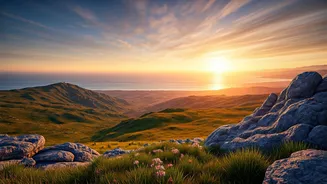
The common thread isn’t just the mountain; it’s the almost supernatural clarity. There are no hazy horizons, no washed-out colors. Every detail, from the crags of distant rock to the needles on a foreground pine, is rendered with razor-sharp precision. This is nature, but it's nature turned up to 11. It’s a carefully constructed hyper-reality, an idealized version of the outdoors that feels more real than reality itself. And the primary ingredient, the canvas upon which this digital art is painted, is a perfectly clear sky.
It Actually Starts with Science
That impossibly deep blue isn’t just a filter. The magic begins with a bit of atmospheric physics. On a perfectly clear, low-humidity day—the kind you often get at high altitudes—the sky is a more intense shade of blue due to a phenomenon called Rayleigh scattering. Tiny molecules in the atmosphere scatter short-wavelength blue light more effectively than long-wavelength red light, sending that vibrant blue in all directions. With less water vapor and fewer pollutants in the air to create haze, more of this pure, scattered blue light reaches our eyes (and the camera’s sensor). This lack of atmospheric haze also creates what artists call 'atmospheric perspective.' Distant objects appear sharper, with higher contrast and more saturated color, than they would on a hazier day. So, when a creator heads for the hills on a bluebird day, they are starting with the best possible raw material. Nature is already doing half the work, providing a scene with incredible built-in contrast and color.
The Art of the Digital Tweak
Nature provides the canvas, but technology provides the finishing touch. Modern smartphone and drone cameras are incredibly powerful, capable of capturing a huge range of light and color (known as high dynamic range, or HDR). They can see the deep shadows in a rocky crevice and the bright highlights on a snowfield at the same time, without one being blown out or the other lost to darkness. But the raw footage is just the start. The “unreal” look comes from post-production, or color grading. Creators use apps like Lightroom or DaVinci Resolve to subtly (or not-so-subtly) enhance what the camera captured. They might increase the contrast to make the peaks pop, deepen the shadows to add drama, and boost the saturation of the blues in the sky and the greens in the trees. They might even use a 'dehaze' tool that digitally replicates the effect of a perfectly clear day. This isn't about faking a scene; it's about amplifying the emotion a creator felt while standing there. They are translating the feeling of awe into a visual language our screens can understand.
Our Brains Are Wired for Awe
Ultimately, the reason these reels stop our thumbs is psychological. Humans are hardwired to respond to scenes of sublime beauty. The philosophical concept of the sublime refers to an experience of something so vast, powerful, and grand that it inspires a sense of awe and makes us feel small—but in a good way. It’s the feeling of standing at the edge of the Grand Canyon or looking up at a starry night sky. These mountain reels are pocket-sized, algorithm-approved doses of the sublime. They offer a momentary escape from our mundane, human-scale lives and connect us to something epic and timeless. The hyper-real visuals, with their perfect skies and sharp peaks, bypass our critical faculties and deliver that hit of awe directly to our brain’s reward centers. It’s a visual shortcut to a feeling we all crave: a connection to a world bigger and more beautiful than our immediate surroundings.