




The Ultimate Digital Detox
As the first generation of true digital natives, Gen Z has never known a world without the internet. Their lives are relentlessly documented, curated, and connected. While this offers incredible opportunities, it also creates a unique form of exhaustion.
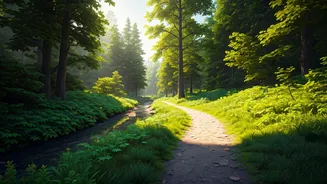
The mountains offer the perfect antidote: a forced disconnect. Poor cell reception isn't an inconvenience; it's a feature. It’s a socially acceptable excuse to be unreachable, to put the phone down, and to escape the pressure of maintaining a digital presence. In a world of constant pings and notifications, the quiet solitude of a forest trail or a panoramic summit provides a rare and valuable sense of peace. It's a conscious un-plugging, a rebellion against the 'always on' culture they were born into.
An Aesthetic You Can Live In
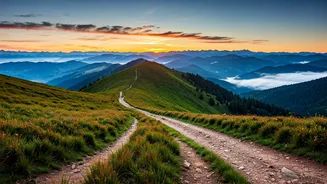
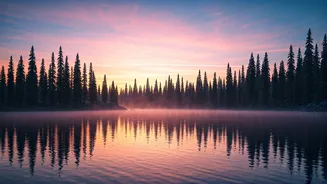
Visual culture is central to Gen Z, and the mountain aesthetic—often dubbed 'gorpcore' or 'cabin core'—is both aspirational and authentic. Unlike the flawless, high-maintenance look of a luxury resort, the mountain vibe is rugged, functional, and deeply photogenic. Think flannel shirts, worn-in hiking boots, enamel mugs of coffee, and misty landscapes viewed from a tent flap. It’s an aesthetic that says 'I do things' rather than 'I buy things.' It's easily captured and shared on platforms like Instagram and TikTok, but it feels more grounded and less performative than other travel trends. It allows for self-expression that feels earned, rooted in the experience of being in nature rather than just appearing in a beautiful place.
A Prescription for Burnout
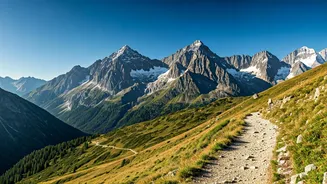
More than any previous generation, Gen Z is open about their struggles with mental health. They face immense pressure from economic uncertainty, social upheaval, and academic demands. The result is widespread burnout and anxiety. For many, nature has become a form of self-care. The positive effects of spending time outdoors—reduced stress, improved mood, and lower cortisol levels—are well-documented, and Gen Z is actively seeking these benefits. A mountain escape isn’t just a vacation; it’s a proactive step toward mental wellness. The physical challenge of a hike provides a clear sense of accomplishment, while the vastness of the landscape helps put personal anxieties into perspective. It’s a therapeutic experience that feels more empowering than passive.
Adventure That's Actually Affordable
Saddled with student debt and facing a high cost of living, Gen Z is a generation of pragmatic spenders. While international flights and five-star hotels are out of reach for many, the mountains offer a compelling, budget-friendly alternative. A national park pass, a tank of gas, and a tent can unlock a weekend of adventure for a fraction of the cost of a traditional vacation. Hiking is free, and cooking over a campfire beats an expensive restaurant bill. This accessibility democratizes travel. It shifts the focus from financial status to personal effort and resilience. It's a way to have a rich, memorable experience without breaking the bank, making it a perfect fit for a financially conscious generation that still craves exploration.
The Search for Something Real
In an era of deepfakes, curated feeds, and algorithm-driven content, there is a deep-seated craving for authenticity. Mountain escapes deliver that in spades. The challenges are real: the weather is unpredictable, the terrain is difficult, and the rewards are earned. Unlike a theme park or an all-inclusive resort, a mountain doesn't cater to your desires—it demands respect and adaptation. This interaction with something so raw and untamable provides a powerful sense of grounding. It's an experience that can't be fully simulated or faked. For a generation navigating a world of virtual realities, the visceral, tangible, and sometimes uncomfortable reality of a mountain climb feels more meaningful than ever.