




From Utilitarian to Shelfie-Worthy
For decades, the packaging for many Indian pantry staples prioritized function over form. Think large plastic tubs of ghee, cellophane bags of lentils, and generic spice tins with purely descriptive labels. They were workhorses, not showpieces. Today,
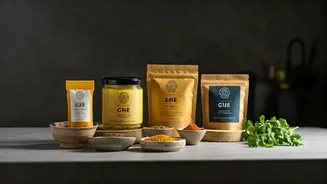
a stroll down the international aisle—or more likely, a scroll through Instagram—reveals a starkly different aesthetic. Brands founded by a new generation of South Asian entrepreneurs are packaging these classics in vessels worthy of a countertop display. We’re seeing ghee in minimalist glass jars with sans-serif fonts, turmeric in vibrant, artfully designed tins, and chai concentrates in sleek, apothecary-style bottles. This isn’t just about looking good; it’s about signaling value. By treating a jar of pickles or a bag of basmati rice with the same design reverence as a bottle of small-batch olive oil, these brands are making a powerful statement: our ingredients are premium, our culture is beautiful, and our food deserves to be celebrated, not just consumed.
The Terroir of Turmeric
The rebrand goes far deeper than the label. For a generation raised on farmers' market hauls and farm-to-table ethics, the story behind the food matters. Where legacy brands often relied on complex, opaque supply chains, new-wave companies are making transparency their core selling point. The most prominent example is Diaspora Co., which has built a cult following by sourcing single-origin, heirloom spices directly from partner farms in India. Their website doesn't just sell turmeric; it tells you about the farmer who grew it, the region it’s from, and the harvest date. This focus on 'terroir'—a concept traditionally reserved for wine and coffee—is now being applied to everything from chili powder to cumin. It transforms a simple commodity into a product with a narrative, an ethical backbone, and a connection to a specific place. This resonates deeply with Gen Z consumers who are willing to pay a premium for products that align with their values of sustainability, equity, and fair trade.
Cooking with an Algorithm
How do you make a thousand-year-old ingredient feel new? You teach people how to use it on TikTok. The marketing playbook for these new brands is written for the digital age. Instead of relying on print ads or in-store demos, they build community and drive sales through social media. Founders become the face of the brand, sharing their personal stories and family recipes in candid Instagram Stories. Quick, visually appealing tutorials on Reels show how to whip up a weeknight dal or a trendy turmeric latte. They collaborate with food influencers who integrate their products seamlessly into their own content, making traditional Indian cooking feel accessible, modern, and aspirational. This approach demystifies ingredients that might seem intimidating to novices and provides fresh inspiration for those who grew up with them. It’s a conversation, not a broadcast, and it has allowed these small brands to cultivate a fiercely loyal customer base without massive marketing budgets.
A Taste of Modern Heritage
Ultimately, this trend is about more than just slick branding or clever marketing. For many second- and third-generation Indian Americans, these products serve as a powerful bridge to their heritage. They offer a way to connect with the flavors of their childhood on their own terms. Buying a beautifully packaged, ethically sourced tin of garam masala can feel like an act of cultural pride—a way to support a South Asian-owned business while reclaiming and celebrating a piece of their identity. These brands remove the barriers of entry. You don’t need an auntie to show you which spices to buy or a trip to a specialty store in another neighborhood. You can order them online and follow a tutorial on your phone. It’s a version of tradition that fits a modern, globalized life, allowing a new generation to not only preserve their culinary heritage but also to redefine and share it with the world.