





An Engineering Marvel Through the Heavens
Forget what you think you know about road trips. The Manali-Leh Highway isn't a simple drive; it's a 300-mile pilgrimage through the sky. Carved into the Himalayas by the Indian Army's Border Roads Organisation, this seasonal artery connects the lush
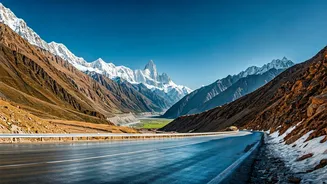
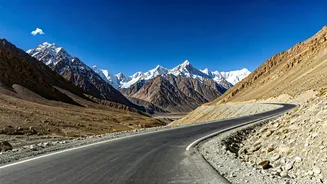
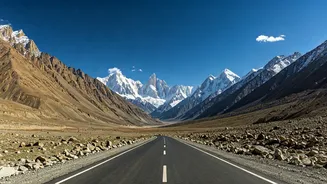
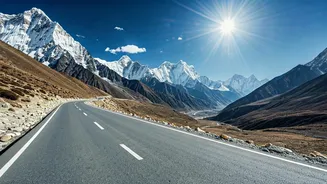
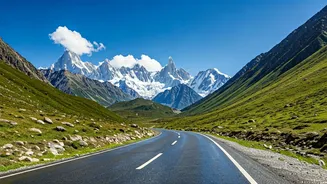
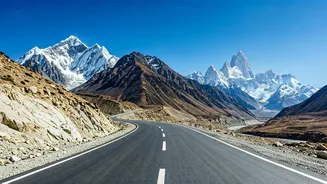
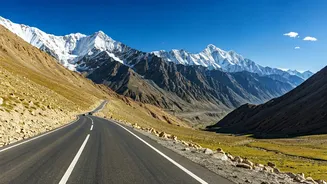
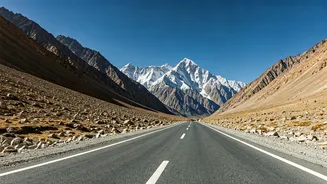
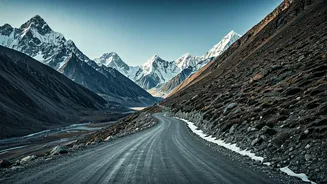
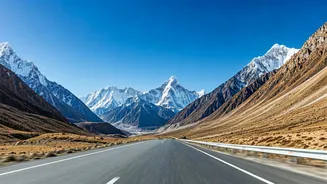
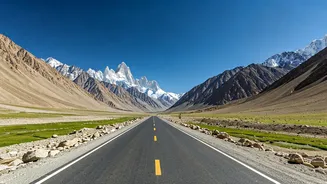
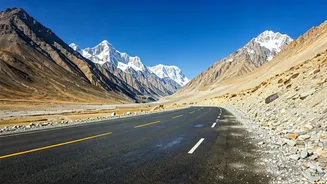
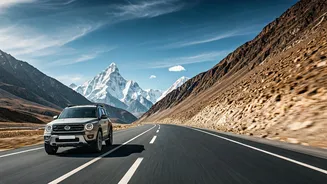
green valleys of Manali to the high-altitude cold desert of Ladakh. It’s a two-day journey that traverses five major mountain passes, some topping 17,000 feet—altitudes where you feel closer to the cosmos than to civilization. The road itself is the destination: a ribbon of asphalt and gravel clinging to mountainsides, crossing glacial melts, and winding through landscapes that shift from pine forests to barren, rust-colored canyons that look more like Mars than Earth.
The Journey in Two Acts
Most travelers break the journey into two days to manage the ascent and the sheer sensory overload. Day one typically takes you from Manali, through the game-changing Atal Tunnel (which bypasses the notoriously tricky Rohtang Pass), and into the Lahaul Valley. The scenery here is still green and relatively gentle. The overnight stop is usually in Jispa or Keylong, small settlements that offer a first taste of high-altitude life. Day two is the main event. This is where the real climb begins, crossing legendary passes like Baralacha La and the Gata Loops—a series of 21 hairpin bends that snake up a mountainside. You’ll cross the vast, empty plains of Sarchu before ascending to Tanglang La, one of the highest motorable passes on the route, before the final, dramatic descent into the Indus Valley and the town of Leh.
Why it Now 'Feels Possible'
So, what changed? A few key things have transformed this expedition from a hardcore endeavor to a well-trodden, if still challenging, adventure. The single biggest factor is infrastructure. The aforementioned Atal Tunnel, opened in 2020, shaves hours off the journey and bypasses the most weather-dependent section, extending the reliable travel season. Road conditions, while still variable, have improved dramatically, with more sections paved and maintained. Furthermore, the tourism ecosystem has matured. A network of experienced drivers with sturdy 4x4s, simple guesthouses, and roadside tented camps now lines the route, taking the guesswork out of logistics. You can hire a driver and car in Manali with relative ease, making the trip feel less like a solo survival mission and more like a guided adventure.
How to Plan Your Himalayan Road Trip
This isn't a trip you take on a whim. The road is generally open from June to mid-October, with the best weather typically in June and September. The number one rule is to respect the altitude. Altitude Mountain Sickness (AMS) is a serious risk. The two-day drive with an overnight stop is essential for acclimatization. Flying into Leh presents a much greater acclimatization challenge. Stay hydrated, avoid alcohol, and listen to your body. Most visitors hire a private SUV with an experienced local driver. It's the safest and most comfortable way to navigate the tricky conditions and allows you to focus on the jaw-dropping views. For the more adventurous, renting a Royal Enfield motorcycle is a classic, albeit much more demanding, way to experience the route.
The Reward: Arriving in Ladakh
After two days of rugged travel, rolling into Leh feels like arriving in another world. The capital of Ladakh is a hub of Tibetan Buddhist culture, nestled in a valley dotted with ancient monasteries, or 'gompas,' clinging to rocky outcrops. The road is the gateway, but Ladakh is the prize. From Leh, you can explore further: drive the Khardung La pass to the dune-filled Nubra Valley or visit the mesmerizing, color-changing Pangong Lake on the border with Tibet. The Manali-Leh Highway doesn't just get you to Ladakh; it prepares you for it, stripping away the trivialities of modern life and immersing you in a world of raw, powerful beauty.