

The Ancient Grains Making a Comeback
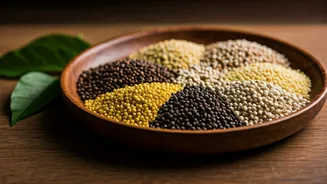
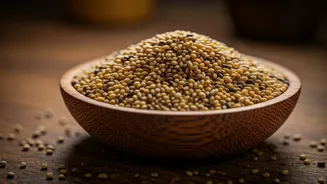
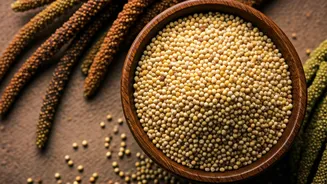
The term “fibre-forward” isn’t about a new-age health supplement. Instead, it’s a rediscovery of ingredients that have been part of the subcontinent’s diet for millennia. We're talking about millets—a group of hardy, nutrient-dense grains that were once
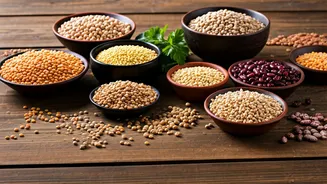
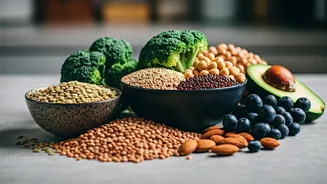
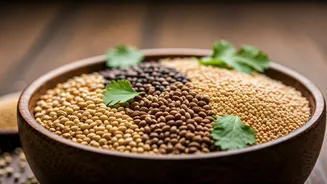
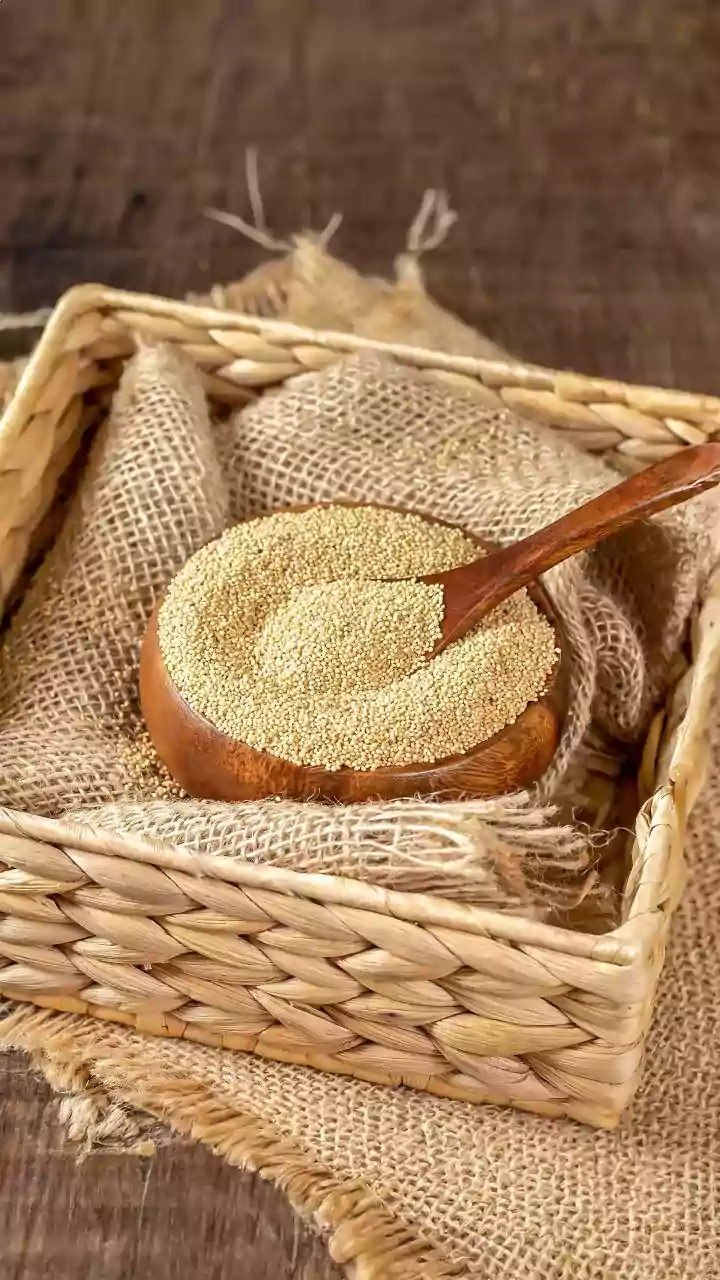
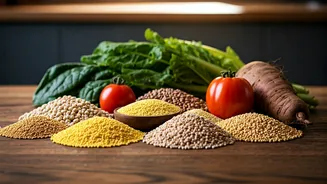
staples across India. Names like ragi (finger millet), jowar (sorghum), and bajra (pearl millet) are moving from rural kitchens and history books to the menus of chic urban cafes and fine-dining restaurants. For decades, these grains were overshadowed by polished white rice and refined wheat flour, products of the Green Revolution which prioritized high-yield crops. Millets were often dismissed as “poor man’s food.” But now, armed with modern nutritional science, chefs and home cooks are recognizing them for what they are: nutritional powerhouses packed with fiber, protein, vitamins, and minerals. They are naturally gluten-free and have a low glycemic index, making them ideal for managing blood sugar and promoting gut health.
From Humble Staple to Superfood
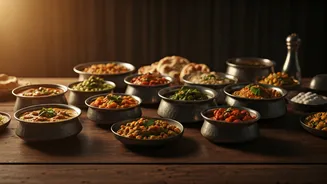
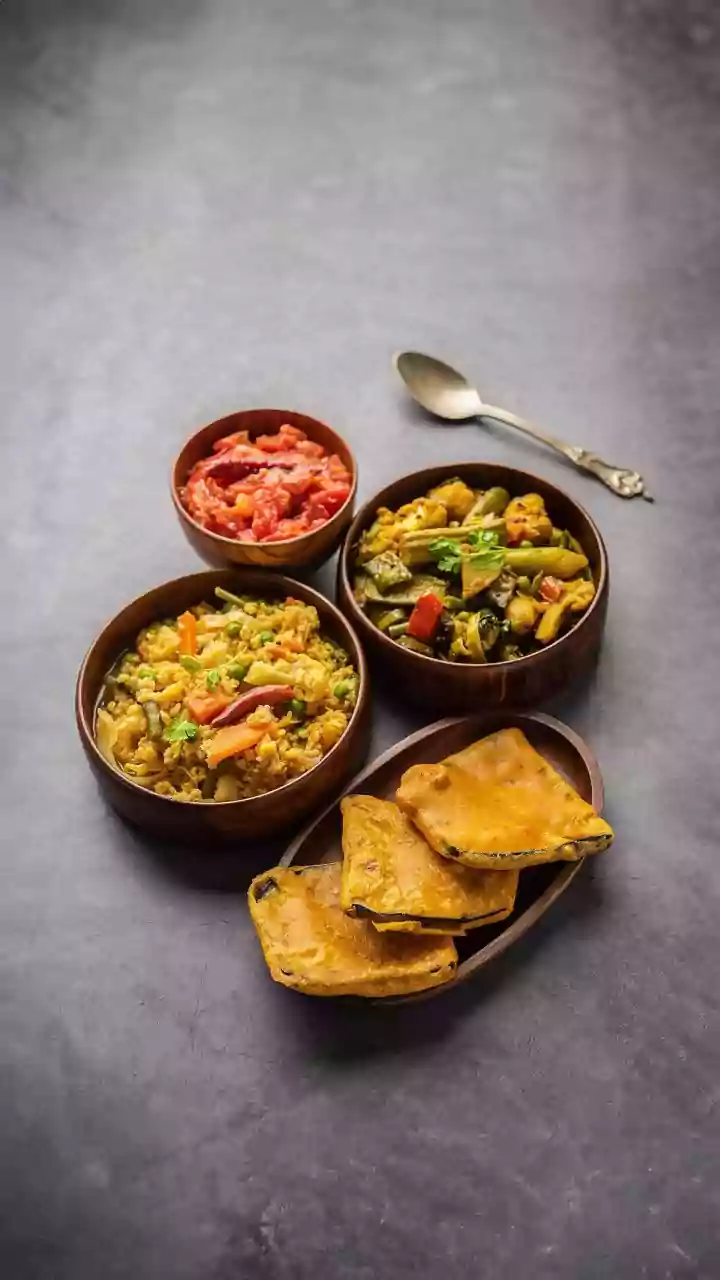
The journey of millets from farm to fame mirrors the path of other global “superfoods” like quinoa. What was once a regional staple, valued for its resilience and affordability, is now being celebrated for its health benefits. This shift is driven by a new generation of health-conscious Indians who are looking for local, sustainable alternatives to imported wellness trends. Restaurants in Mumbai, Delhi, and Bangalore are leading the charge. You might find a weekend brunch offering ragi pancakes topped with fresh fruit instead of classic flour-based versions. Bakeries are crafting artisanal sourdough loaves using whole wheat and millet flours. Instead of a simple naan, a high-end restaurant might serve a delicate, flavorful jowar bhakri (a traditional unleavened flatbread) alongside a contemporary curry. It’s about taking the soul of traditional cooking and presenting it in a format that speaks to the modern diner’s palate and health concerns.
More Than Just a Health Trend
Calling this a mere diet fad would be missing the point. The move towards a fibre-forward diet is rooted in deeper cultural and environmental currents. Firstly, there’s the issue of sustainability. Millets are often called “climate-smart” crops. They are drought-resistant, require fewer pesticides, and can grow in poor soil, making them a crucial and sustainable food source in a water-stressed country like India. Secondly, it represents a form of culinary nationalism. It's a proud reclamation of indigenous ingredients and food wisdom. By championing millets, Indian chefs and food advocates are pushing back against the colonial-era perception that Western grains are superior. They are celebrating the diversity of India’s agricultural heritage and re-introducing a generation to the flavors their grandparents grew up with. This movement gained such traction that the United Nations, at India's proposal, declared 2023 the International Year of Millets.
What This Means for Your Plate
While this trend is currently most visible in India, its ripples are starting to reach American shores. As diners become more adventurous and health-aware, the demand for more authentic and diverse regional Indian food is growing. Don't be surprised to see millet-based dishes appearing on the menus of forward-thinking Indian restaurants in the U.S. You might see bajra replacing rice in a biryani, or a dosa made from a blend of millet flours. This isn't about replacing the classics we love; it's about expanding the definition of what Indian food can be. It's a reminder that this ancient cuisine is not a static museum piece but a living, evolving tradition that is constantly reinventing itself for the future.