



First, It's More Than Just Rain
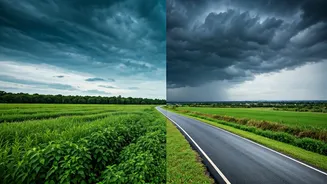
For most Americans, a rainy season means grabbing an umbrella and maybe dealing with a damp basement. The monsoon, which blankets South and Southeast Asia from roughly June to September, is an entirely different beast. It’s not just a downpour; it’s a total
atmospheric takeover. The air becomes so thick with moisture that walls weep with condensation, leather goods grow fuzzy with mold overnight, and nothing ever feels truly dry. This oppressive humidity, combined with overflowing drains and contaminated water supplies, transforms the environment. The very air and water become a perfect breeding ground for bacteria, viruses, and fungi. This isn't just an inconvenience; it’s a public health challenge that returns like clockwork every single year, turning everyday activities like cooking and eating into a high-stakes game.
A Paradise for Pathogens
Your kitchen, normally a sanctuary, becomes a petri dish during the monsoon. The damp air encourages rapid mold growth on bread, fruits, and even spices. The leafy greens and vegetables you buy at the market, often grown in fields irrigated with potentially contaminated water, can carry a host of invisible threats, from E. coli to the bacteria that cause typhoid and cholera. Even your pantry isn’t safe. Bags of chips go stale in hours. Crackers lose their snap. Flour and grains can become infested with moisture-loving insects or develop dangerous aflatoxins from mold. Water is the biggest culprit. With municipal water systems often overwhelmed by flooding, the risk of contamination skyrockets. The simple act of washing vegetables under the tap can introduce pathogens instead of removing them.
The Rules of the Flex
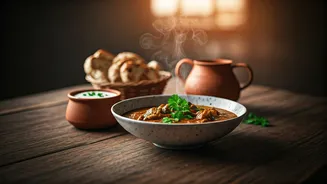
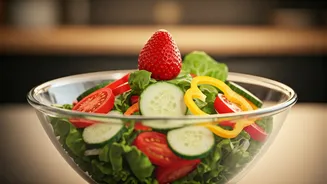
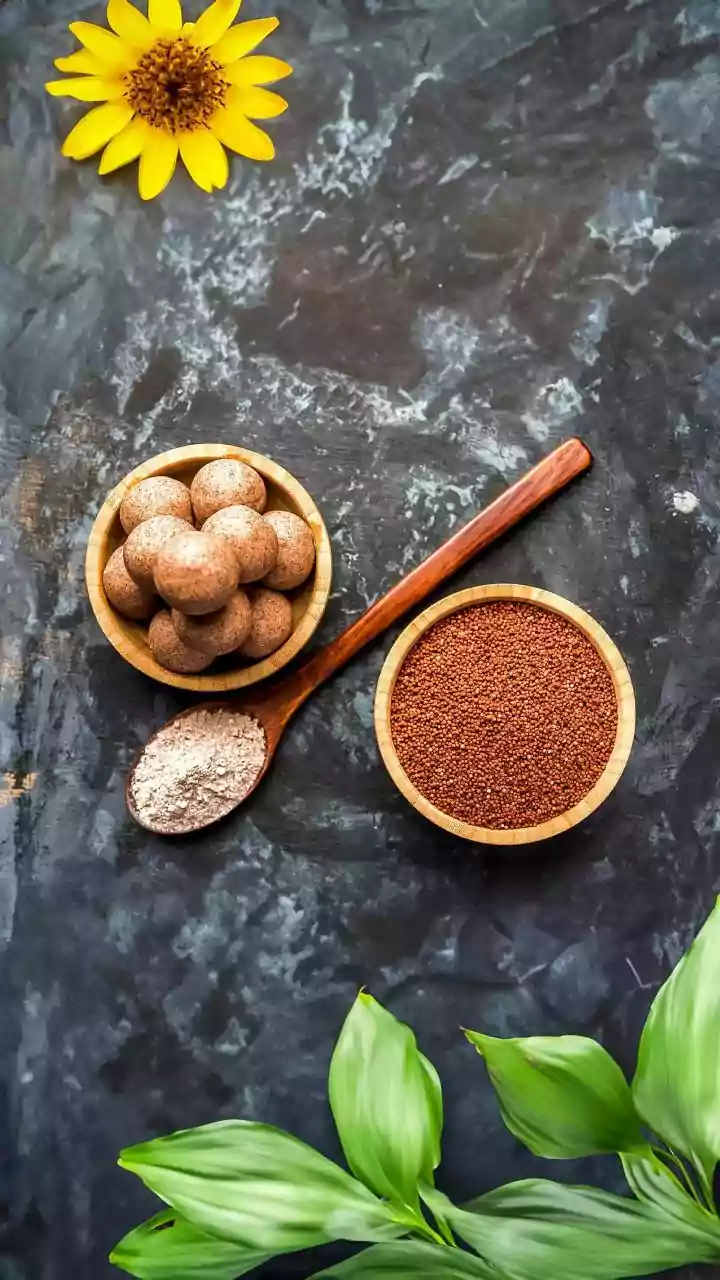
So, how do you “flex” in this environment? It’s about demonstrating a mastery of avoidance and prevention. This isn’t just your standard “wash your hands” advice; it’s a detailed, almost ritualistic set of practices passed down through generations. The real monsoon flex involves: * **Avoiding Street Food:** That delicious-looking roadside snack? It’s likely made with water from an unknown source. The truly savvy avoid it, especially water-based items like fresh chutneys or popular street drinks. * **Meticulous Vegetable Prep:** Leafy greens like spinach and cabbage are treated with suspicion. They’re often soaked in salted water, a diluted vinegar solution, or even water with a tiny drop of potassium permanganate to kill off microbial life before being cooked thoroughly. * **Favoring Cooked Over Raw:** Salads are largely off the menu. The prevailing wisdom is to cook everything. High heat is the great equalizer, destroying the bacteria and viruses that thrive in the damp. * **Mastering Food Storage:** Keeping things crisp and dry is an art. It means double-bagging, using airtight containers, and sometimes even lightly roasting spices or grains to drive off moisture before storing them. * **Boiling All Drinking Water:** Even if it comes from a filter, many families will boil their drinking water as a final, non-negotiable line of defense.
A Quiet Display of Competence
Following these rules isn’t just about staying healthy. It’s a quiet but powerful signal. When you host guests during the monsoon and they don’t get sick, it’s a testament to your diligence and knowledge. It shows you care, that you’re responsible, and that you have the expertise to protect your household from the season’s invisible dangers. In a culture that deeply values hospitality and family well-being, this is no small thing. It’s not about bragging about your wealth; it’s about demonstrating your competence. It’s the assurance that the food you serve is not just delicious but fundamentally safe. This quiet confidence, this mastery over the elements within your own home, is the most respectable and authentic flex of all.