








What Is a CGM, Anyway?
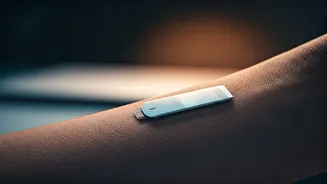
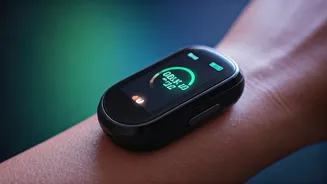
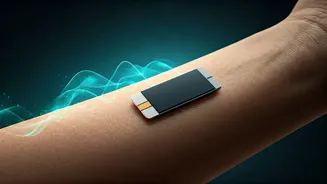
Think of a continuous glucose monitor as a tiny lab on your arm. Traditionally prescribed to people with diabetes, a CGM uses a small, flexible filament inserted just under the skin to measure your glucose (sugar) levels in real-time, 24/7. This data
is then sent to an app on your smartphone. Instead of the old-school finger-prick method that gives a single snapshot, a CGM provides a continuous movie of how your body's fuel levels rise and fall. For someone with diabetes, this technology is life-changing, helping them manage insulin doses and avoid dangerous highs and lows. But the new trend isn't about managing a disease; it's about optimizing a healthy life.
From Medical Tool to Wellness Gadget
The shift from medical necessity to lifestyle accessory is being driven by a growing fascination with “biohacking”—using science and technology to improve your body's performance. Why are tech enthusiasts in hubs like Delhi and Austin suddenly so interested in their blood sugar? Because glucose is your body's primary fuel source. The thinking goes that by monitoring it, you can see exactly how that slice of pizza, that stressful meeting, or that 30-minute jog impacts your energy, focus, and metabolism. Companies like Levels, NutriSense, and India-based Ultrahuman have sprung up to serve this new market. They pair a CGM (which still often requires a prescription) with sophisticated software that interprets your data, offering insights on how to “flatten your glucose curves” and achieve optimal metabolic health.
The Promise: Hacking Your Diet and Energy
For users, the appeal is empowerment through data. A CGM can reveal surprising personal truths. Maybe the “healthy” oatmeal you eat for breakfast is actually sending your blood sugar soaring, leading to a mid-morning crash. Perhaps a short walk after dinner dramatically stabilizes your glucose levels, improving your sleep. Proponents claim that by making small, data-informed tweaks, they can unlock more stable energy, better moods, enhanced athletic performance, and even long-term metabolic benefits. It gamifies nutrition, turning the abstract advice to “eat healthy” into a personalized, real-time experiment. For the data-obsessed individual, it’s the ultimate feedback loop for understanding what your unique body needs.
The Reality Check: Is This For Everyone?
While the technology is fascinating, many medical experts urge caution. For a healthy person without diabetes, blood sugar levels are designed to fluctuate; the body is adept at managing these changes. A spike after a meal isn't necessarily a sign of trouble—it's a normal physiological response. The concern is that CGM data, without proper medical context, can lead to hyper-fixation and unnecessary food anxiety. Some users might start avoiding perfectly healthy foods, like fruit, because they cause a temporary glucose rise. Doctors point out that the fundamental advice for metabolic health remains unchanged: eat a balanced diet rich in whole foods, exercise regularly, manage stress, and get enough sleep. A CGM won't give you a magic shortcut, and for most people, it's an expensive tool that confirms what we already know, albeit with more precision.