



The Ultimate Low-Effort, High-Reward Flex
Let’s be honest: some hobbies are a trap. The sourdough starter that becomes a needy, flour-dusted pet. The knitting project that remains a single, misshapen scarf for three years. A balcony cherry tomato plant, however, is the opposite. It asks for so little—a
pot, some sun, a bit of water—and gives back so much. While your neighbor is showing off a new watch, you’re casually plucking a sun-warmed tomato from a vine you grew yourself. It’s a quiet proclamation of patience, nurturing, and a connection to real food. In a world of digital everything and instant delivery, producing your own sustenance, even on a tiny scale, is a power move. It says, 'I can create something beautiful and delicious from nothing but dirt and sunlight.' Try doing that with a Peloton.
Living Decor That You Can Eat
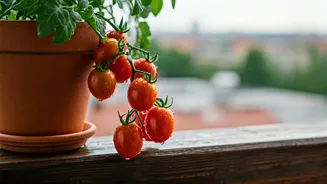
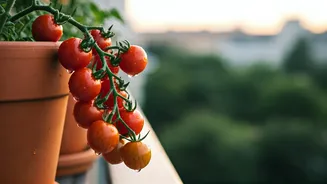
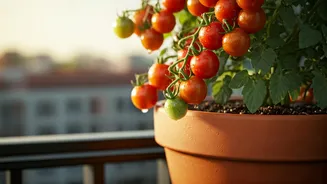
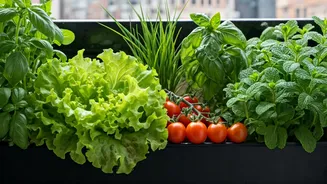
Houseplants are great, but can you put your fiddle-leaf fig in a salad? A flourishing cherry tomato plant is a piece of dynamic, living art. It starts as a humble green sprout, then grows into a lush, leafy bush. Soon, tiny yellow flowers appear, promising future treasure. Then, the magic: small green orbs emerge, slowly blushing to a vibrant red, a sunny yellow, or a deep, moody purple-black, depending on the variety. The visual journey is a daily delight. A cascade of bright red 'Sweet 100s' tumbling over the side of a terracotta pot is more beautiful than any store-bought decor. It’s a living sculpture that changes daily, providing a constant source of visual interest and, eventually, a key ingredient for your bruschetta. Your Instagram stories will never be the same.
The Taste of Actual Victory
The real flex, the one that seals the deal, is the taste. If your experience with tomatoes is limited to the pale, mealy spheres from the supermarket, you are in for a revelation. A cherry tomato picked fresh from the vine and eaten while still warm from the sun is a different food entirely. It’s a burst of concentrated summer—intensely sweet, slightly acidic, with a firm pop and a juicy finish that is nothing short of miraculous. This is the flavor that restaurant chefs chase, the one that reminds you that vegetables can be as decadent as dessert. Offering a friend a tomato you grew is an act of profound generosity. It’s sharing a moment of pure, unadulterated flavor that money can’t buy and a grocery store can’t replicate.
Your Balcony Starter Pack
Convinced? Good. Here’s the non-scary way to start. First, choose the right variety. You want a 'determinate' or 'bush' type tomato. Unlike 'indeterminate' varieties that grow into sprawling 10-foot monsters, bush types stay compact and are perfect for containers. Look for names like 'Tiny Tim,' 'Patio Princess,' or 'Bush Early Girl.' Next, the pot. Don't skimp. You need at least a 5-gallon container (about 12 inches wide and deep) with drainage holes. A bigger pot holds more soil and water, making your life easier. Use high-quality potting mix specifically for containers, not heavy garden soil. The final, non-negotiable ingredient is sun. Your tomato plant needs at least six to eight hours of direct sunlight per day. Scout your balcony for its sunniest spot; that’s your plant’s new home.
How to Keep Your Plant Happy
Plant parenting a tomato is straightforward. Water consistently. The goal is evenly moist soil, not a swamp or a desert. On hot, windy days, you may need to water daily. The easiest way to check is to stick your finger an inch into the soil; if it’s dry, it’s time to water. Feed your plant every two to three weeks during the growing season with a liquid fertilizer formulated for vegetables or tomatoes—think of it as a nutrient smoothie. As it grows, you might need a small stake or cage to support the branches once they get heavy with fruit. Keep an eye out for common pests like aphids, but a healthy, well-watered plant in the sun is its own best defense. Your main job is to watch, water, and anticipate the harvest.