





Understanding the Enemy
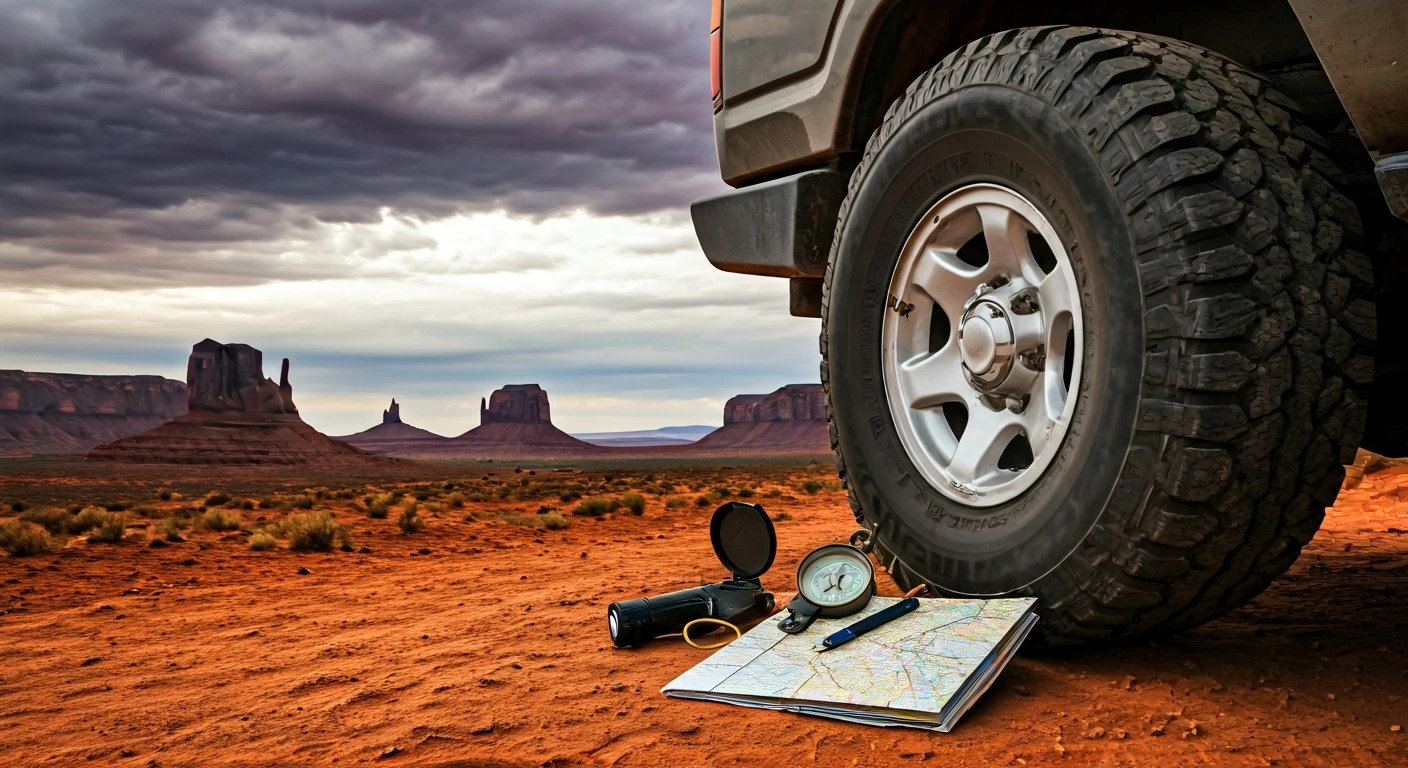
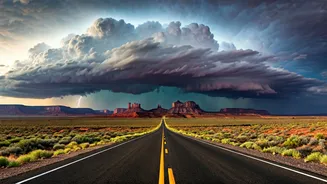
Before you can 'beat' the monsoon, you need to understand what you're up against. This isn't a gentle spring shower. The North American Monsoon is a seasonal pattern shift that pulls moist, tropical air into the arid Southwest, primarily affecting Arizona,
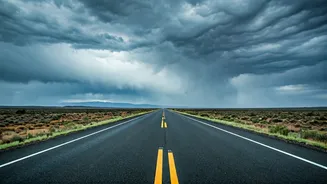
New Mexico, and parts of California, Nevada, Utah, and Colorado. The result is a series of dramatic and dangerous weather events. We’re talking about blinding dust storms known as haboobs that can drop visibility to zero in seconds, torrential downpours that overwhelm storm drains, and the number one weather-related killer in the U.S.: flash floods. The roads you drive every day can become raging rivers in a matter of minutes. The question isn't whether your car is tough, but whether you and your vehicle are prepared for these extreme, sudden changes.
The Pre-Storm Vehicle Check
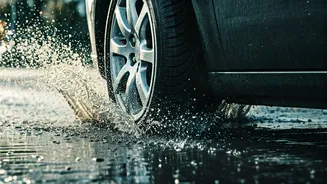
Your first line of defense is a well-maintained vehicle. Forget aftermarket gadgets; focus on the fundamentals. Start with your tires. Proper tread depth is crucial for gripping wet pavement and preventing hydroplaning. A simple way to check is the penny test: place a penny with Lincoln's head upside down in your tread. If you can see the top of his head, your tires are worn and it's time for a new set. Next, inspect your wiper blades. Sun and heat degrade rubber quickly, leaving them cracked and useless when you need them most. If they streak, skip, or squeak, replace them immediately. Finally, check your brakes. While you may need a mechanic for a full inspection, listen for any grinding or squealing sounds and pay attention to how the pedal feels. In a storm, your ability to stop safely is paramount.
Visibility Is Your Best Defense
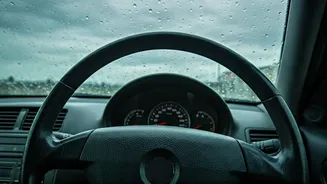
In a monsoon downpour, seeing and being seen can be the difference between a safe trip and a catastrophe. Beyond functional wipers, ensure your windshield is clean inside and out. A film of dust and grime on the interior can turn into a blinding smear when the defroster hits it. Also, check all your lights—headlights, taillights, and brake lights. Many states have laws requiring headlights to be on whenever wipers are in use, and for good reason: it helps other drivers see you through the sheets of rain. Driving with dim or burnt-out bulbs during a storm is an unnecessary risk. A quick walk around your car before the season starts can save you a world of trouble later.
The Golden Rule of a Flash Flood
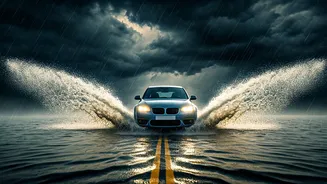
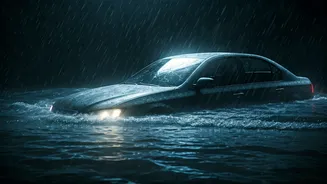
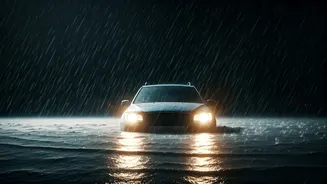
If there is one piece of advice to take away, it's this: Turn Around, Don't Drown. It's a national safety campaign for a reason. It takes only six inches of moving water to knock over an adult and just twelve inches to sweep away a small car. Two feet of rushing water can carry away most vehicles, including SUVs and trucks. When you see a flooded roadway, whether it's a dip in the road or a major wash, your brain might tell you that you can make it. You cannot accurately judge the depth or the current's strength from your driver's seat. The road beneath could be washed out entirely. In Arizona, this is taken so seriously that the state has a "Stupid Motorist Law," which can hold drivers financially responsible for the cost of their own rescue if they drive around barricades into a flooded area. The bravest and smartest thing you can do is find an alternate route.
If You Get Caught in the Storm
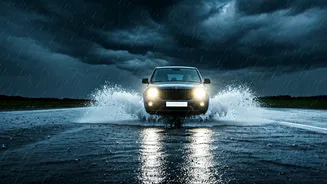
Sometimes, you can't avoid being on the road when a storm hits. In that case, adjust your driving immediately. First, slow down significantly. Speed is the primary factor in hydroplaning, where your tires lose contact with the road and skate on a thin layer of water. Second, double or triple your normal following distance. Wet roads increase stopping distances, and you need that extra buffer. If rain becomes so heavy that you can't see the car in front of you or the lines on the road, don't be a hero. Pull over as far to the right as possible, turn on your emergency flashers, and take your foot off the brake (so your brake lights don't confuse other drivers into following you off the road). Wait for the worst of the storm to pass. Arriving a few minutes late is infinitely better than not arriving at all.