



Millets: The Mighty Grains
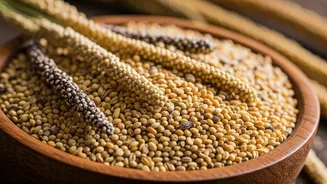
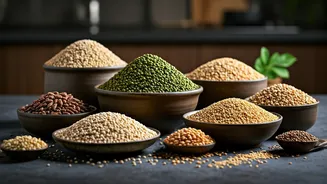
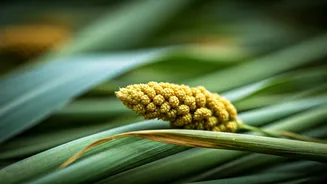
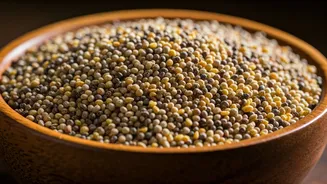
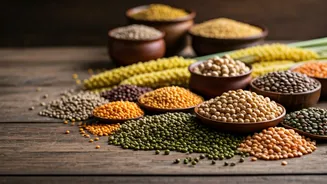
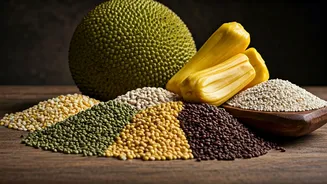
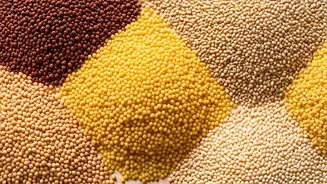
Before quinoa became a pantry must-have, there were millets. This isn't one grain but a whole family of small-seeded grasses, including sorghum (jowar), pearl millet (bajra), and finger millet (ragi). For centuries, they were the backbone of the Indian
diet, especially in arid regions. Why the comeback? First, they are nutritional powerhouses—naturally gluten-free, high in fiber, packed with protein, magnesium, and antioxidants. Their low glycemic index means they release sugar into the bloodstream slowly, making them excellent for managing blood sugar and keeping you feeling full longer. Second, they are a farmer's best friend. Millets are hardy, drought-resistant crops that require far less water than rice or wheat, making them a sustainable choice in a changing climate. From fluffy flatbreads (bhakri) to savory porridges (upma), they are now appearing on menus in trendy cafes from Mumbai to Manhattan.
Amaranth: The Royal Pseudocereal
Often mistaken for a grain, amaranth (rajgira, or "royal seed") is technically the seed of a leafy plant, making it a 'pseudocereal' like its South American cousin, quinoa. Once a staple of ancient civilizations, it was pushed aside by mass-produced crops. Now, it's being celebrated again for its stellar nutritional profile. Amaranth is one of the few plant sources that contains all nine essential amino acids, making it a complete protein—a huge deal for vegetarians and vegans. It's also rich in iron, magnesium, and calcium. Traditionally in India, its seeds are popped like corn to create a light, nutty snack or ground into flour for fasting days. You might find it today as a breakfast porridge, mixed into energy bars, or as a crunchy topping for salads and yogurt bowls, offering a serious nutrient boost with a satisfying texture.
Jackfruit: The Plant-Based Wonder
To most Americans, jackfruit is that stringy fruit that makes a shockingly good vegan pulled pork. But in India, its 'return' is about reclaiming its role as a versatile vegetable, not just a meat substitute. For generations, unripe, or 'green,' jackfruit has been a staple carbohydrate in southern India, used in curries, stir-fries, and even ground into flour. It's a low-calorie, high-fiber food that’s packed with nutrients. Unlike the ripe fruit, which is sweet and tropical, the green version has a neutral taste and a satisfyingly meaty texture. The rediscovery of its use as a vegetable staple is being hailed as a way to combat food insecurity, as a single jackfruit tree can produce hundreds of pounds of food a year with minimal care. Jackfruit flour is also gaining traction as a gluten-free alternative that can help control blood sugar.
Ghee: The Golden, Good-for-You Fat
For years, ghee got a bad rap, lumped in with other saturated fats to be avoided. But this ancient cooking fat is experiencing a glorious renaissance, embraced by everyone from Ayurvedic practitioners to Paleo diet enthusiasts. Ghee is clarified butter, meaning the milk solids and water have been simmered off, leaving pure butterfat. This process removes lactose and casein, making it easier for many people to digest than regular butter. It also has a high smoke point, so it doesn't break down into harmful free radicals when cooked at high temperatures. In traditional Indian medicine (Ayurveda), ghee is prized for its ability to aid digestion and reduce inflammation. Now, science is catching up, recognizing its concentration of fat-soluble vitamins like A, E, and K. The 'return' of ghee is a perfect example of modern wellness rediscovering the wisdom of ancient food traditions.