



The Old Stereotype vs. The New Reality
For decades, the Western idea of “Indian decor” has been a caricature of a maharajah’s palace: rooms saturated with jewel tones, overflowing with intricate patterns, and filled with heavy, carved furniture. It was opulent, formal, and often impractical
for modern life. While that ornate aesthetic still has its place, it no longer defines the aspirations of the average urban Indian homeowner. Today, a new design language is emerging from the apartments of Mumbai, the bungalows of Bengaluru, and the condos of Delhi. It’s a philosophy that values clean lines as much as it values craftsmanship, and personal stories more than palatial grandeur. This isn’t about rejecting heritage; it’s about curating it. Homeowners are moving past the need to display everything, instead choosing a few meaningful pieces that tell a story, creating spaces that breathe and reflect the identity of the person living there.
Meet 'India Modern'
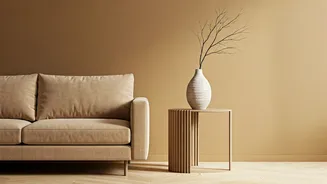
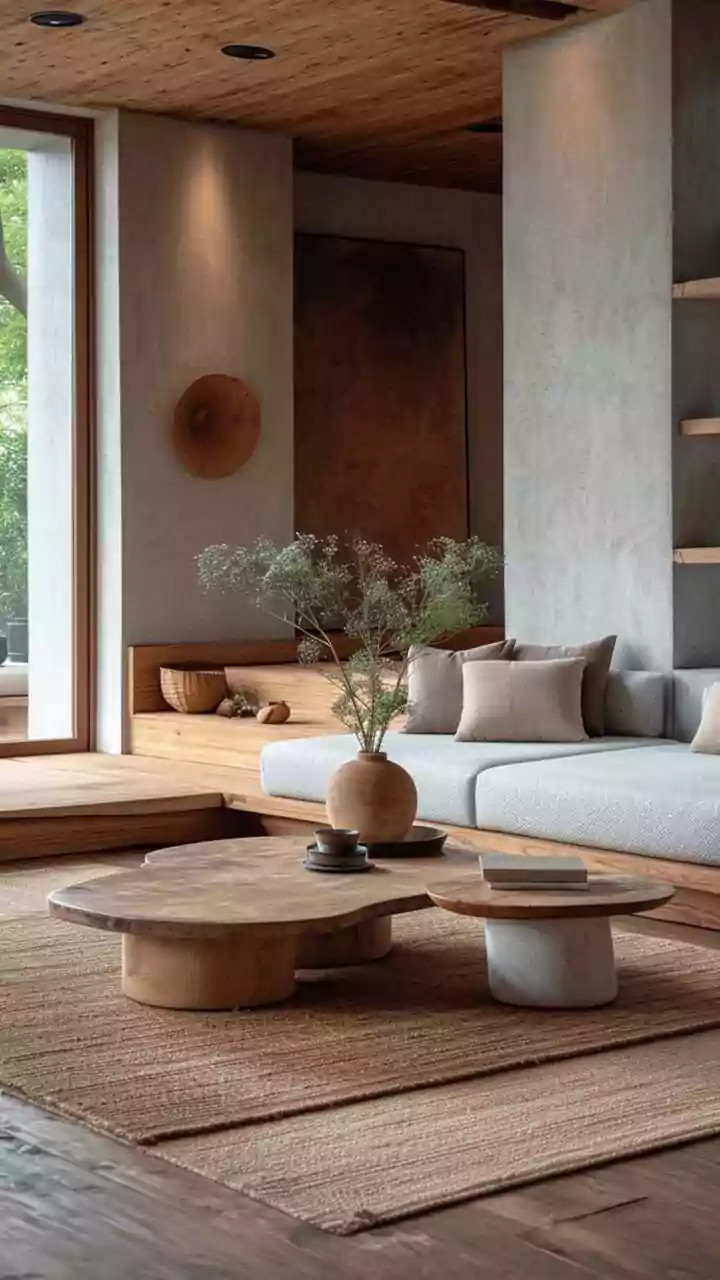
At the heart of this shift is an aesthetic often called “India Modern.” It’s not a strict set of rules but a flexible approach that marries global design principles—like minimalism, Scandinavian simplicity, or mid-century functionalism—with a distinctly Indian soul. Think of it as a conversation between the global and the local. You might see a sleek, low-profile sofa upholstered in handloom cotton, or a minimalist dining table made of light-colored wood paired with classic cane-backed chairs. The heavy, dark teak and rosewood of the past are making way for lighter woods, brass accents, and a more neutral color palette on the walls. This creates a bright, airy backdrop where traditional Indian elements can truly shine. A single, stunning piece of Pichwai art on a beige wall has more impact than ten competing patterns in a crowded room. India Modern is about thoughtful integration, not overwhelming decoration.
Function First, But Make It Beautiful
As in many global cities, urban living spaces in India are getting smaller and more expensive. This has put a premium on functionality. A home isn't just a place to relax anymore; for many, it’s also an office, a gym, and a social hub. This necessity has sparked incredible design innovation. Multi-functional furniture is key: a coffee table that rises to become a dining table, a storage ottoman that hides clutter, or a modular shelving unit that can be reconfigured as needs change. But this isn't the sterile, purely utilitarian furniture you might find in a dorm room. The new Indian approach demands that even the most functional pieces have warmth and character. A well-designed wall bed might be framed in reclaimed wood, or a foldable desk might feature subtle brass hardware. The goal is to create a home that works seamlessly without sacrificing beauty or a sense of permanence.
The Soul of the Space: Heirlooms and Handicrafts
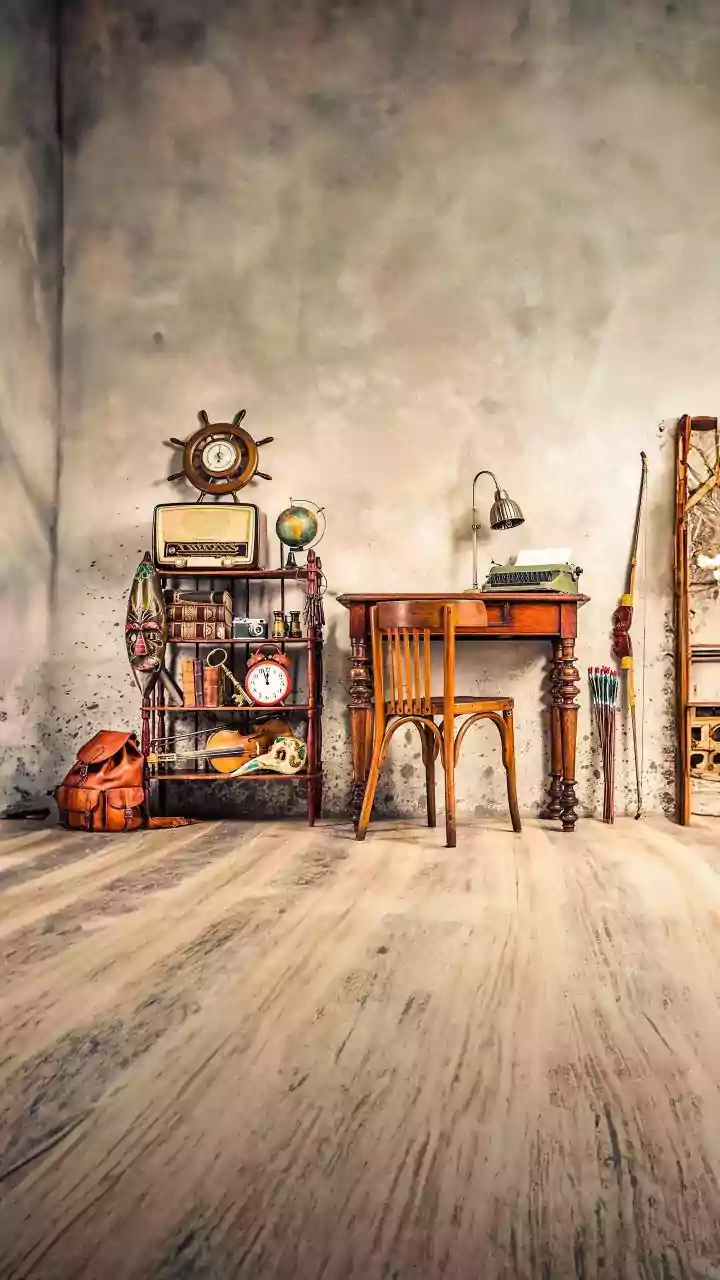
This is where the “feeling” comes in. After decluttering and establishing a functional, modern base, homeowners are layering in personality with pieces that hold emotional weight. This is a direct rebellion against the soulless, showroom-perfect look. Instead of buying generic decor from a big-box store, people are digging into their family storage. A grandmother’s brass water pot (lota) might be polished and used as a vase. An old silk sari with sentimental value might be framed as a piece of wall art. Alongside these heirlooms, there's a renewed appreciation for local craftsmanship. Homeowners are seeking out handmade ceramics from local potters, block-printed textiles from Jaipur, or woven baskets from artisans in the northeast. These items bring texture, story, and a tangible human touch to a space, making it unique and deeply personal. It’s a celebration of imperfection and authenticity over mass-produced perfection.