




The End of the Snack Taboo
For decades, the conventional wisdom was simple: stick to three square meals a day and avoid eating in between. Snacking was often framed as a lack of discipline, a dietary vice that led to weight gain and spoiled your appetite for “real” food. But a growing
consensus among dietitians and nutrition experts suggests this view is outdated. In our fast-paced lives, waiting five or six hours between lunch and dinner isn't always practical or beneficial. Intense hunger can lead to overeating, poor food choices, and energy crashes. Instead of viewing snacks as a problem, experts now encourage us to see them as a solution—a way to bridge nutritional gaps, stabilize blood sugar, and maintain consistent energy levels throughout the day.
From Mindless Grazing to Mini-Meal
The fundamental shift nutritionists are calling for is one of intention. The problem isn’t the act of eating between meals; it’s the *mindlessness* with which we often do it. Grabbing a handful of chips while answering emails, finishing a bag of pretzels while watching TV, or sipping a sugary coffee drink on the go doesn’t register as a meal, so the calories and lack of nutrients often go unnoticed. The new approach is to treat snacks like purposeful “mini-meals.” This means planning them, paying attention to them, and ensuring they serve a specific goal. Ask yourself: Am I eating this because I’m truly hungry? Do I need energy for a workout? Am I trying to hold myself over until a late dinner? When you snack with intention, you move from reactive grazing to proactive fueling. It becomes a strategic part of your day’s nutrition, not a caloric afterthought.
Build a Better Snack: The 'PFF' Rule
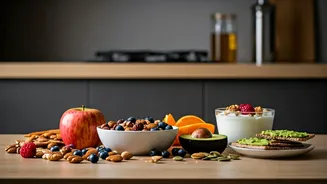
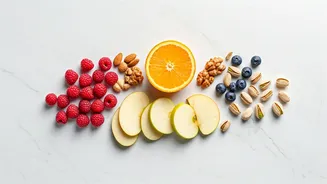
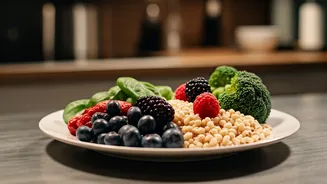
So what does an intentional snack look like? Many dietitians recommend a simple formula: combine Protein, Fat, and Fiber (PFF). This trio is the key to satiety, the feeling of fullness and satisfaction that prevents you from reaching for another snack 30 minutes later. Simple carbohydrates like crackers or a sugary granola bar digest quickly, leading to a spike and subsequent crash in blood sugar. But pairing them with other elements changes the equation entirely. Protein and healthy fats slow down digestion and provide sustained energy, while fiber adds bulk and keeps you feeling full. This doesn't require complicated recipes. Think of apple slices (fiber) with peanut butter (protein and fat), Greek yogurt (protein) with a sprinkle of nuts (fat and fiber), or a hard-boiled egg (protein and fat) with whole-grain crackers (fiber). This simple framework transforms a snack from empty calories into a functional, satisfying bridge between meals.
Timing Is Everything
Rethinking snacking also means listening to your body’s clock, not just the one on the wall. The ideal time to have a snack is when you start to feel early signs of hunger, not when you’re already famished. Nutritionists often refer to a “hunger scale” from 1 (starving) to 10 (stuffed). The goal is to eat when you’re around a 3 or 4 (starting to feel hungry) and stop when you’re at a 6 or 7 (comfortably full/satisfied). A well-timed snack can prevent you from ever hitting a 1 or 2, the point where you’re so hungry that you’ll eat anything in sight, and quickly. For most people, this means a snack mid-morning, a few hours after breakfast, or mid-afternoon, between lunch and dinner. It’s about anticipating your body’s needs, not just reacting to them.
The Unplugged Snack Break
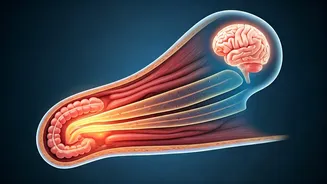
Perhaps the simplest yet most powerful change you can make is to give your snack your full attention. Eating while distracted—whether by your phone, computer, or TV—disrupts the brain’s ability to register fullness. Studies have shown that people who eat while distracted are more likely to consume more calories in that sitting and eat more later on because the meal was less memorable. The solution is to take a five-minute break. Step away from your desk. Put your phone down. Plate your snack instead of eating it out of the bag. By focusing on the taste, texture, and experience of eating, you not only enjoy your food more but also give your body and brain the chance to recognize that you are being fueled. This mindful practice is the final piece of the puzzle, turning a simple snack into a moment of genuine nourishment and self-care.