




A Colonial Cure for the Heat
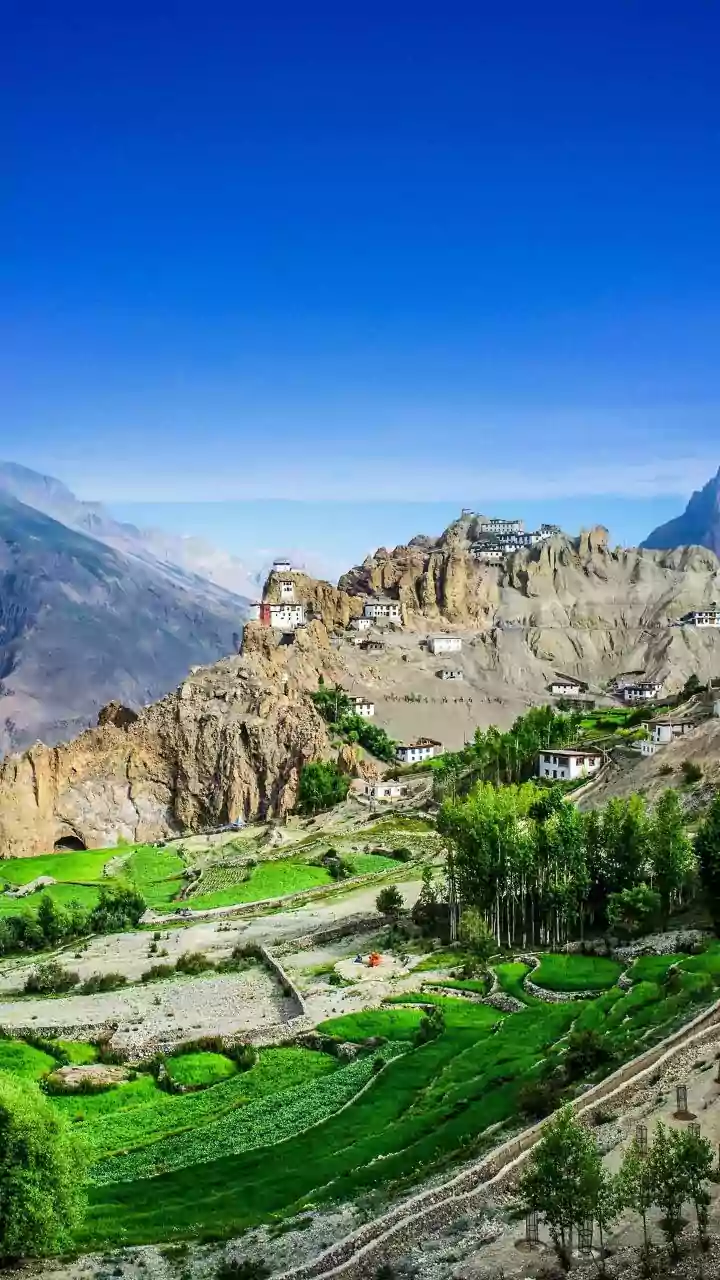
First, a quick history lesson. The concept of a “hill station” was perfected by the British in colonial India. Faced with the sweltering, disease-prone heat of the plains in cities like Calcutta and Delhi, British officials and their families would decamp
for the mountains. They built entire towns in the foothills of the Himalayas—places like Shimla, Darjeeling, and Ooty—that were designed as high-altitude refuges. These weren't just vacation spots; they were seasonal capitals, complete with cottages, social clubs, and administrative offices. The primary purpose was simple: escape the oppressive, dangerous heat of the lowlands. The air was cleaner, the temperatures were milder, and life was, for the colonizers, significantly more pleasant.
America’s Concrete Ovens
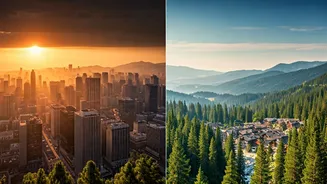
Now, let’s come back to the present. The United States doesn’t have a colonial history of building official hill stations, but it’s rapidly developing the problem that created them. Our cities are becoming “urban heat islands.” According to the EPA, metropolitan areas are significantly warmer than their rural surroundings. Buildings, roads, and other infrastructure absorb and re-emit the sun’s heat more than natural landscapes. Dark asphalt can be 50–70°F hotter than the surrounding air. Waste heat from air conditioners and vehicles adds to the problem. The result? A downtown core or a sprawling suburb can feel like a convection oven, with nighttime temperatures failing to provide relief. This isn't just uncomfortable; it’s a public health crisis in the making, exacerbating respiratory problems and increasing the risk of heatstroke.
The New American Mountain Retreats
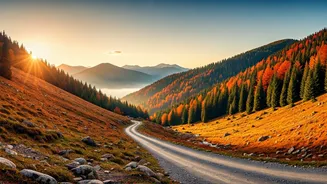
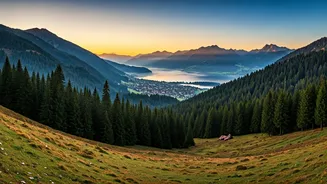
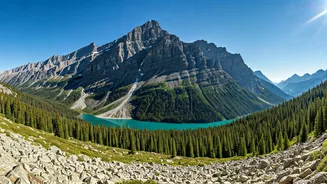
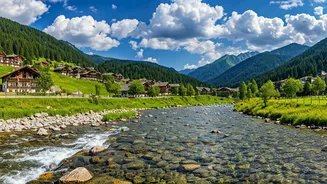
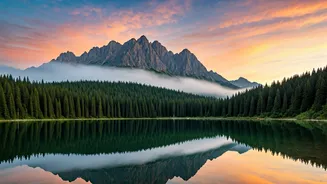
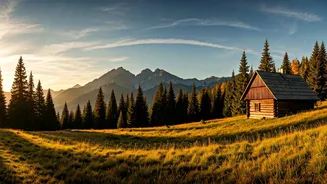
Faced with this modern-day heat crisis, Americans are unconsciously rediscovering the logic of the hill station. They are seeking refuge in the mountains. Look at the towns experiencing a surge in popularity, and you’ll see a pattern. Places like Asheville, North Carolina, nestled in the Blue Ridge Mountains; Boise, Idaho, with the Rockies at its doorstep; or the small towns of the Catskills in New York and the Berkshires in Massachusetts are becoming magnets. Historically, these might have been ski destinations or quiet rural towns. Today, they are summer sanctuaries. The appeal is obvious: a 10- or 20-degree temperature drop, clean air, and an escape from the concrete jungle. They offer a climatic and psychological relief that a city park simply cannot match.
More Than Just a Summer Fling
This trend goes deeper than a simple vacation. The rise of remote work has untethered millions of Americans from their city offices, transforming a two-week escape into a two-month stay—or even a permanent move. People are no longer just visiting; they’re becoming “climate migrants” within their own country. They are buying property, enrolling their kids in local schools, and fundamentally changing the character of these mountain towns. This influx brings economic benefits but also significant challenges. Real estate prices in places like Bozeman, Montana, and Bend, Oregon, have skyrocketed, pushing out long-term residents. The infrastructure of these smaller communities—from roads to water supplies—is being strained. The charming mountain town that served as an escape is now grappling with the very urban pressures its new residents fled.