






Embrace the Plot Twist
Before we talk bookings or insurance, let’s start with the most important tool: your mindset. The difference between a “ruined” vacation and an “unexpected adventure” is often just a matter of perspective. The modern travel obsession with hyper-optimized
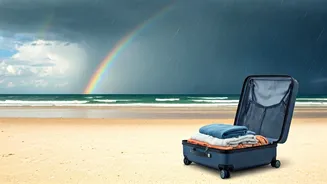
itineraries leaves no room for spontaneity, let alone bad weather. When you treat your schedule as a rigid checklist, any deviation feels like a failure. The “rain drama” isn’t the downpour itself; it’s the friction between your expectations and reality. Instead, think of your trip as a story with a few unwritten chapters. A rainy week in a tropical paradise isn’t a disaster; it’s a plot twist. It’s an opportunity to discover the cozy cafe with the city’s best hot chocolate, the tiny independent bookstore you would have walked right past, or the local museum you’d have otherwise skipped. The goal is to stop mourning the vacation you planned and start embracing the one you’re actually getting. The best travel memories are rarely the ones that go exactly according to plan.
Architect Your Escape Route
A flexible mindset is great, but it’s most effective when supported by flexible logistics. You can build contingency plans into your trip from the very beginning, often for little to no extra cost. When booking accommodations, prioritize hotels or rentals with generous cancellation policies. Many hotel chains offer “pay later” or fully refundable rates that only cost slightly more than their prepaid, non-refundable counterparts. Think of that small premium as buying yourself the freedom to make a last-minute change. The same principle applies to transportation. Avoid booking the most restrictive, bare-bones airline fare if you can. For a little more, many airlines offer tickets that allow for changes. For road trips, don’t book every single hotel in advance. Plan your first and last nights, but leave the middle open. This gives you the freedom to linger somewhere you love or to pivot entirely if a storm system is rolling into your next destination. You’re not just booking a room; you’re booking options.
Master the Art of the Pivot
So, the rain has arrived. This is where your pre-trip preparation pays off. The key to a successful pivot is having a list of potential “Plan B” activities before you even leave home. For every outdoor activity you plan, research one or two indoor alternatives in the same area. That beautiful state park hike might be a mudslide now, but what about the nearby craft brewery, the quirky local history museum, or the vintage movie theater? Use technology to your advantage. Apps like Meetup, Yelp, or even local event listings on social media can help you find last-minute indoor concerts, cooking classes, or art workshops. A rainy day is the perfect excuse to dive into the local culture that happens indoors. It’s a chance to trade a sunburn for a conversation with a local artist, a bartender, or a shop owner—the very people who can point you toward the town’s real hidden gems.
Insurance: Your Financial Safety Net
Flexibility is also about financial peace of mind. Standard travel insurance is great for major, clear-cut cancellations—a medical emergency or a flight that gets officially canceled by the airline. But it usually won’t cover you if you simply decide you don’t want to go on a trip because the forecast looks gloomy. This is where “Cancel for Any Reason” (CFAR) coverage comes in. It’s an optional add-on to a standard policy that allows you to cancel your trip for, as the name implies, literally any reason. It’s more expensive and typically only reimburses a percentage of your non-refundable costs (usually 50-75%). It’s not for everyone, but for a pricey, once-in-a-lifetime trip where perfect weather is a critical component, it can be a worthwhile investment. It provides the ultimate flexibility: the power to call the whole thing off and get a substantial portion of your money back, turning a potential financial loss into a simple postponement.