






An Escape Upward
To understand Delhi is to understand its relationship with heat. For months on end, the North Indian megacity simmers in temperatures that can make street-level life feel like navigating a furnace. The air is thick, traffic is a symphony of horns, and the sheer
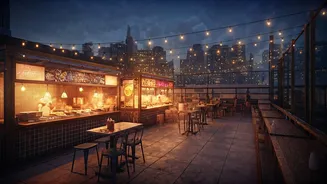
density of 20 million people generates its own palpable energy. But as dusk arrives, a collective exhale occurs. The city’s residents have perfected the art of the evening, and in recent years, that art has found its highest expression on the rooftops. Climbing a narrow staircase in a bustling neighborhood like Hauz Khas Village or Shahpur Jat, you leave the chaos of the streets behind. The air begins to change, catching a hint of a breeze that was absent below. You emerge onto a terrace transformed. What was a sun-baked concrete slab by day is now an oasis of string lights, colorful textiles, and the low thrum of music, all set against the sprawling, glittering backdrop of the city.
The Ultimate Climate Adaptation
Calling these spaces a “flex” is more accurate than you might think. In a city where space is at a premium and the climate is a constant challenge, turning rooftops into sought-after social hubs is a brilliant act of urban adaptation. It’s a solution born of necessity that has blossomed into a signature cultural scene. The simple physics of it makes sense: the elevation offers respite from the radiant heat trapped by asphalt and concrete below, and it catches any available breeze, providing natural air conditioning. But this isn't just a practical matter; it's a statement. It’s Delhi’s way of saying that not only will it survive the scorching summer, but it will do so with style, flavor, and community. It’s a contemporary twist on the age-old Indian tradition of seeking out cool, open spaces—like courtyards and verandas—during the hot evenings. Now, the veranda is simply several stories high with a much better view.
A Feast for the Senses
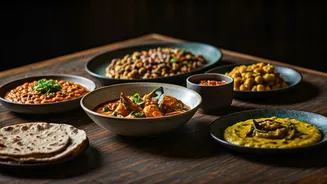
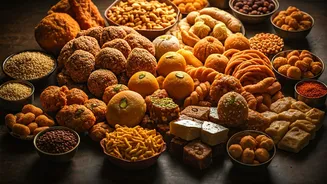
The heart of any Delhi market is, of course, the food. Rooftop offerings are a dazzling blend of tradition and modernity. At one stall, you might find a vendor expertly preparing classic chaat—crispy, tangy, spicy explosions of flavor like golgappe (pani puri) or aloo tikki. The scent of sizzling kebabs fresh off the grill wafts from another corner, mingling with the aroma of buttery naan bread being pulled from a portable tandoor oven. These are the foundational tastes of Delhi street food, elevated both literally and figuratively. Alongside the classics, a new generation of chefs is using these spaces to experiment. Think deconstructed samosas, butter chicken tacos, or cocktails infused with local ingredients like hibiscus and tamarind. It’s a culinary scene that’s as dynamic and diverse as the city itself, catering to every palate from the die-hard traditionalist to the adventurous foodie. It's a meal and a show, served under the stars.
The Social Epicenter
More than just open-air restaurants, these rooftops function as the city’s communal living rooms. They are magnets for a cross-section of Delhi society: families sharing a meal, students unwinding after exams, young professionals on a date, and tourists soaking in the atmosphere. The vibe is relaxed and infectious. Unlike the formal setting of an indoor restaurant, the open space encourages mingling and a sense of shared experience. Live music is a common feature, from a solo guitarist strumming acoustic melodies to a DJ spinning laid-back electronic beats. Some rooftops are attached to art galleries or boutique shops, creating a multi-layered cultural experience. This fusion of food, music, art, and community is what makes the trend so powerful. It’s not just about getting out of the heat; it’s about coming together.