


Beyond Frugality: A Status Shift
For generations, using leftovers was primarily an act of thrift—a sensible, if unglamorous, way to stretch a dollar. The practice was associated with post-war scarcity or humble household budgeting, not culinary aspiration. But today, a significant cultural
shift is underway. The decision to transform yesterday’s roast chicken into tomorrow’s savory pie is no longer just about saving money; it’s a statement. In an era defined by climate anxiety and a reckoning with our throwaway culture, minimizing food waste has become a new kind of status symbol. It signals mindfulness, resourcefulness, and a sophisticated understanding of food systems. The person who can craft a delicious meal from what others might discard isn't just frugal—they’re smart, creative, and conscientiously cool.
The Social Media Glow-Up
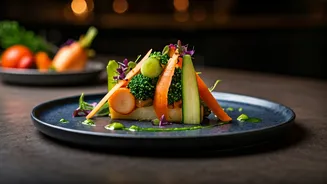
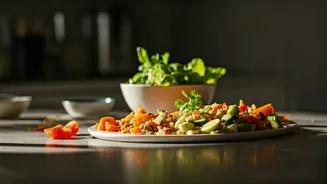
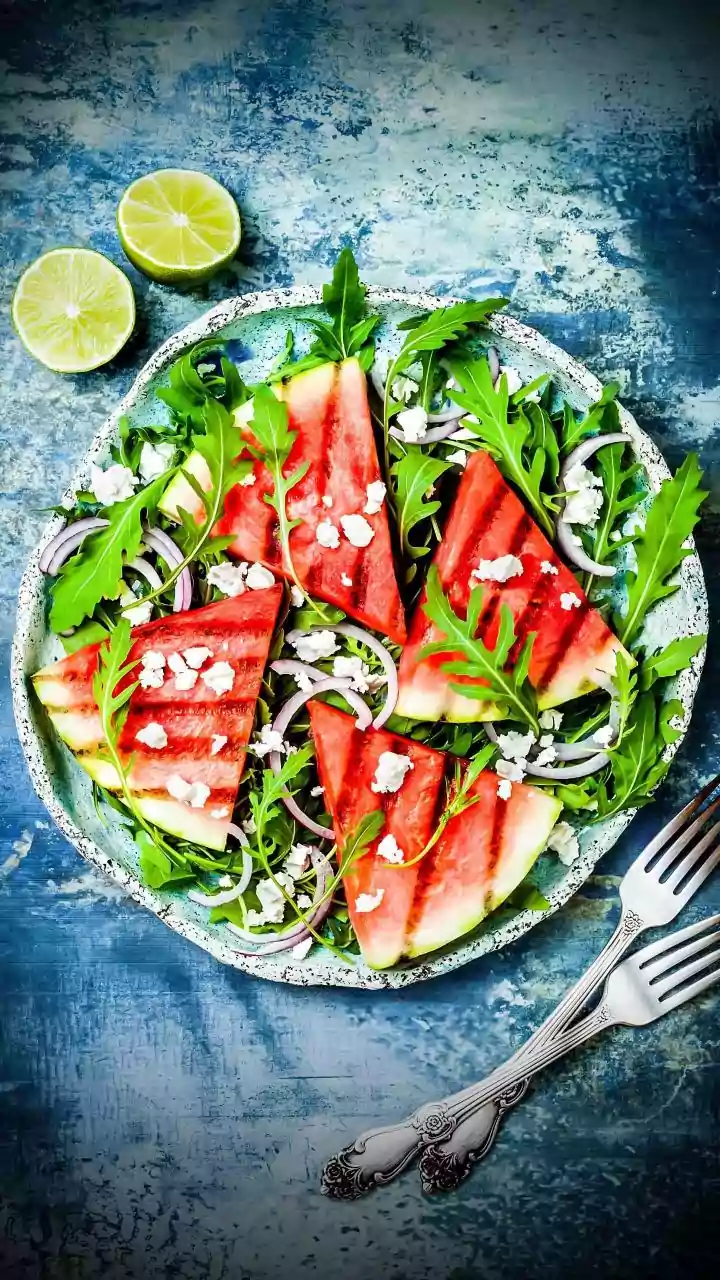
Nothing signals a trend’s arrival like its aesthetic validation on social media. On TikTok and Instagram, hashtags like #scrappycooking and #zerowastekitchen are filled with vibrant, beautifully shot videos that are less about dutifully eating old food and more about radical transformation. We see limp herbs blended into a stunning green goddess dressing, stale bread reborn as crispy panzanella, and vegetable peels simmered into a rich, golden broth. Creators aren't just showing you how to reheat pasta; they're teaching you how to view a half-empty fridge as a palette of possibilities. This visual medium has been crucial in rebranding leftovers, moving them from a private, slightly shameful secret to a public display of culinary ingenuity. When your “scraps” can get a million views, they stop feeling like scraps and start feeling like content.
From Michelin Stars to Your Kitchen
The movement has also been turbocharged by the culinary elite. Chefs like Dan Barber of Blue Hill have long preached a “root-to-leaf” philosophy, while Massimo Bottura, of the world-renowned Osteria Francescana, founded Food for Soul, a non-profit that turns surplus food into gourmet meals for those in need. These high-profile champions have reframed waste reduction as the ultimate expression of skill. For them, true mastery isn’t about sourcing the most expensive ingredients; it’s about extracting maximum flavor and value from every part of a humble carrot. This top-down influence has trickled into home kitchens, giving everyday cooks permission—and inspiration—to treat their own leftovers with the same reverence. If a three-Michelin-star chef is bragging about his potato-peel stock, your day-old rice suddenly seems full of potential.
The New Kitchen Creativity
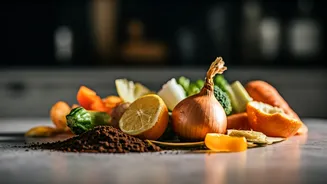
Ultimately, the “cool era” of leftovers is about a pivot from obligation to creation. It reframes the question from “What do I have to eat?” to “What can I make with this?” The challenge is no longer a burden but a puzzle. That last slice of pork loin, a spoonful of rice, and a few wilting scallions aren't a sad desk lunch in waiting; they're the building blocks for a killer fried rice. The economic reality of rising grocery prices provides a powerful tailwind for this trend, but its sticking power comes from the sheer satisfaction of the creative act. By rescuing food from the brink of the compost bin, you’re not just preventing waste—you're participating in a small act of culinary alchemy. It's a win for your wallet, a win for the planet, and, most importantly, a delicious win for your dinner plate.