
Hydrate with Water-Rich Fruits
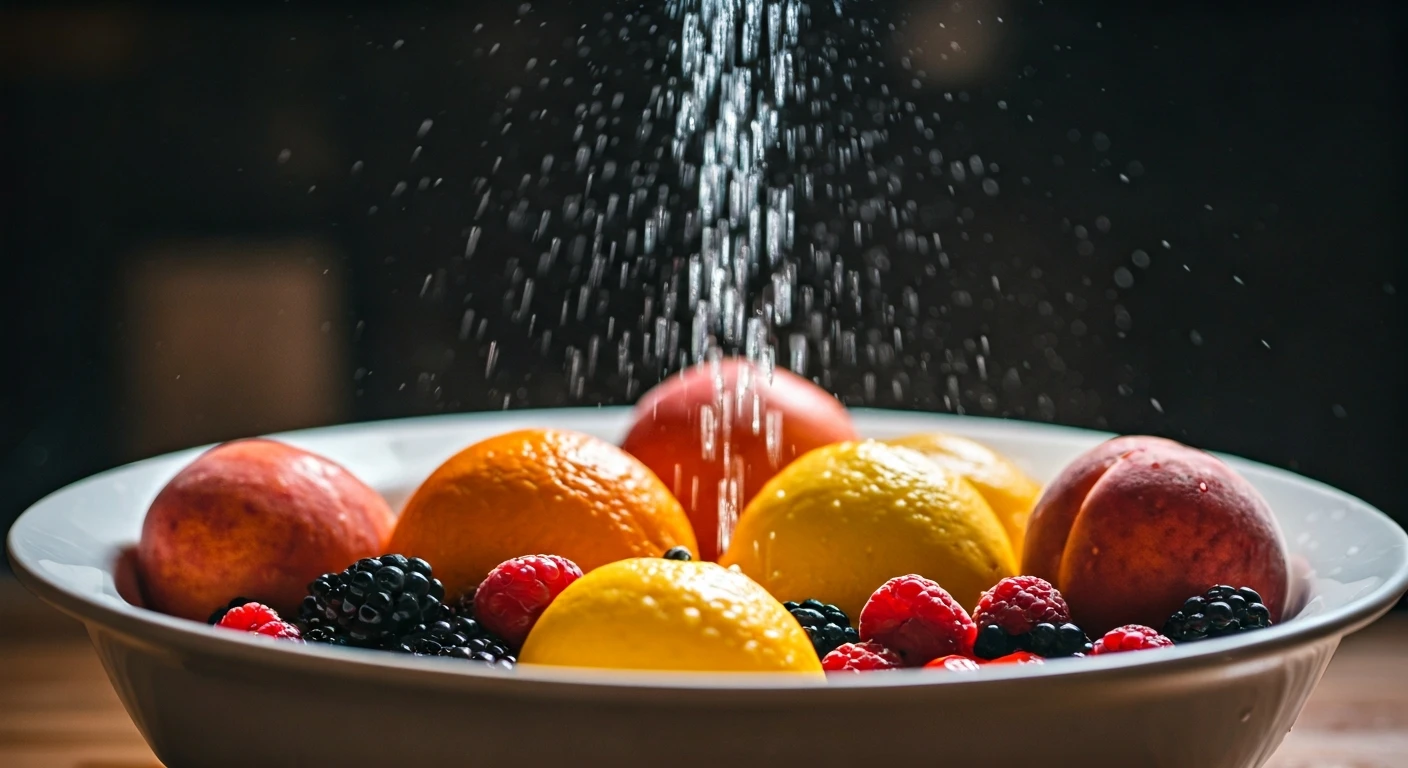
The single most important thing you can do to stay cool is stay hydrated. Your body cools itself by sweating, and that process requires a steady supply of water. While drinking plain water is essential, you can also ‘eat’ your water. Foods with extremely
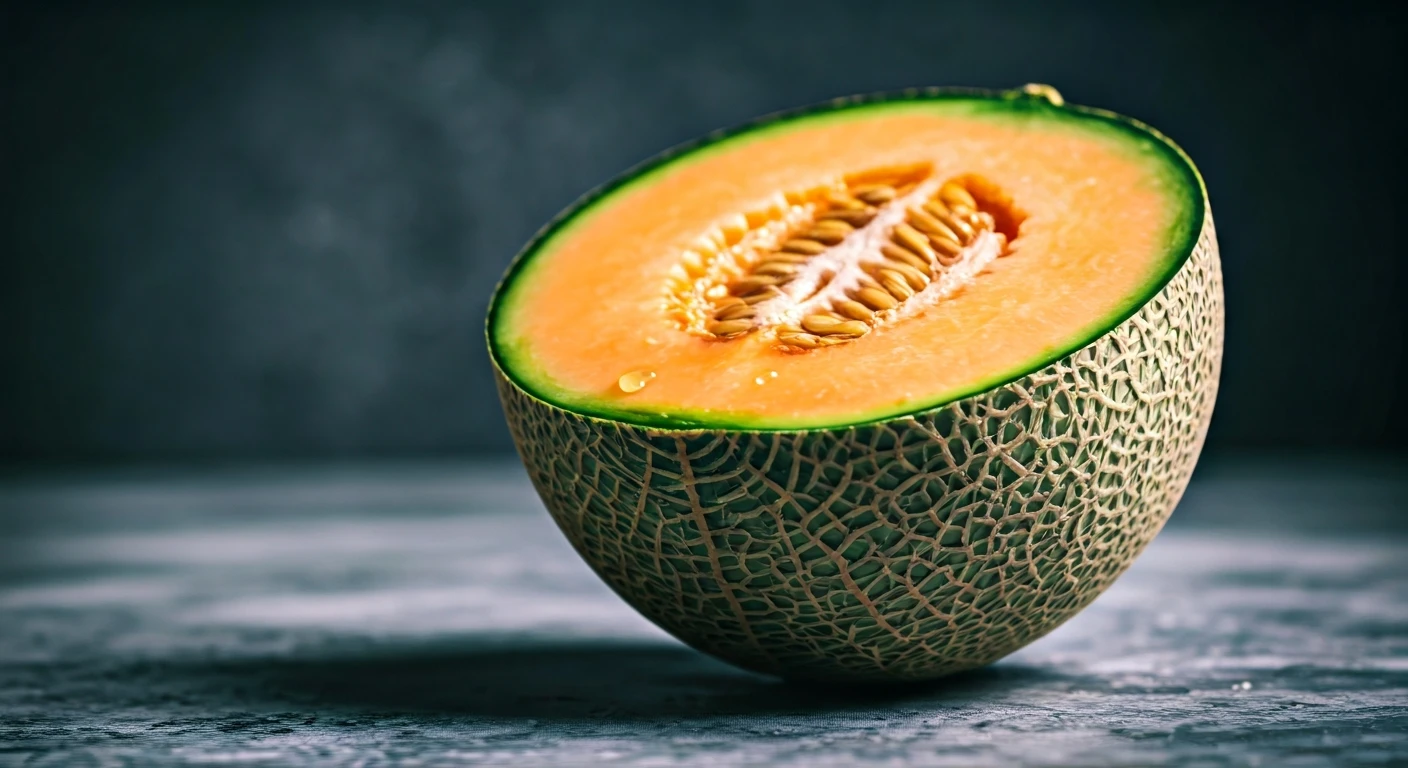
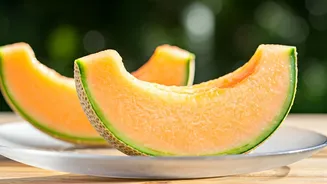
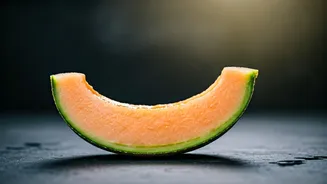
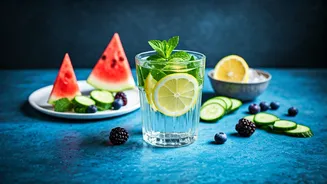
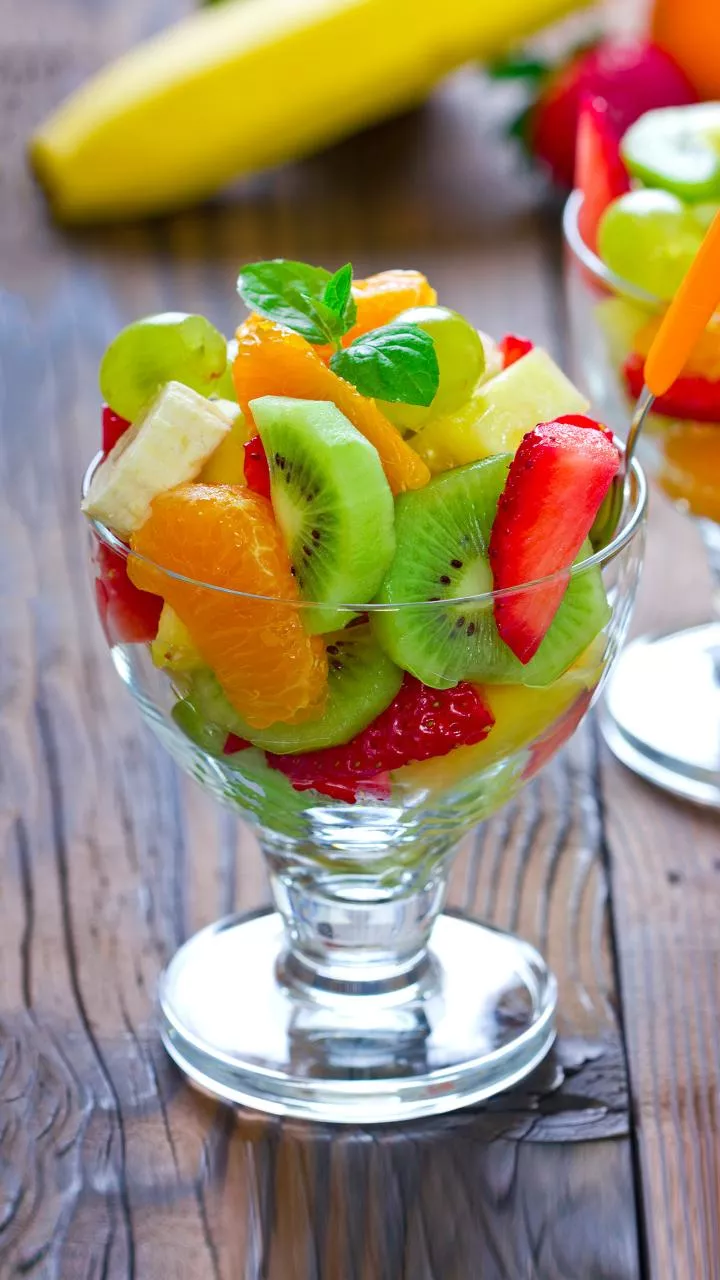
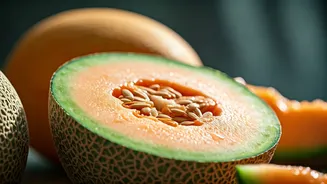
high water content provide hydration along with valuable vitamins and minerals. Watermelon is the undisputed champion, clocking in at about 92% water. It also contains citrulline, an amino acid that may help improve blood flow. Other excellent choices include cucumbers (95% water), strawberries (91% water), and cantaloupe (90% water). Sliced, chilled, and eaten fresh, they are nature’s perfect antidote to a sweltering afternoon.
Embrace Leafy Greens
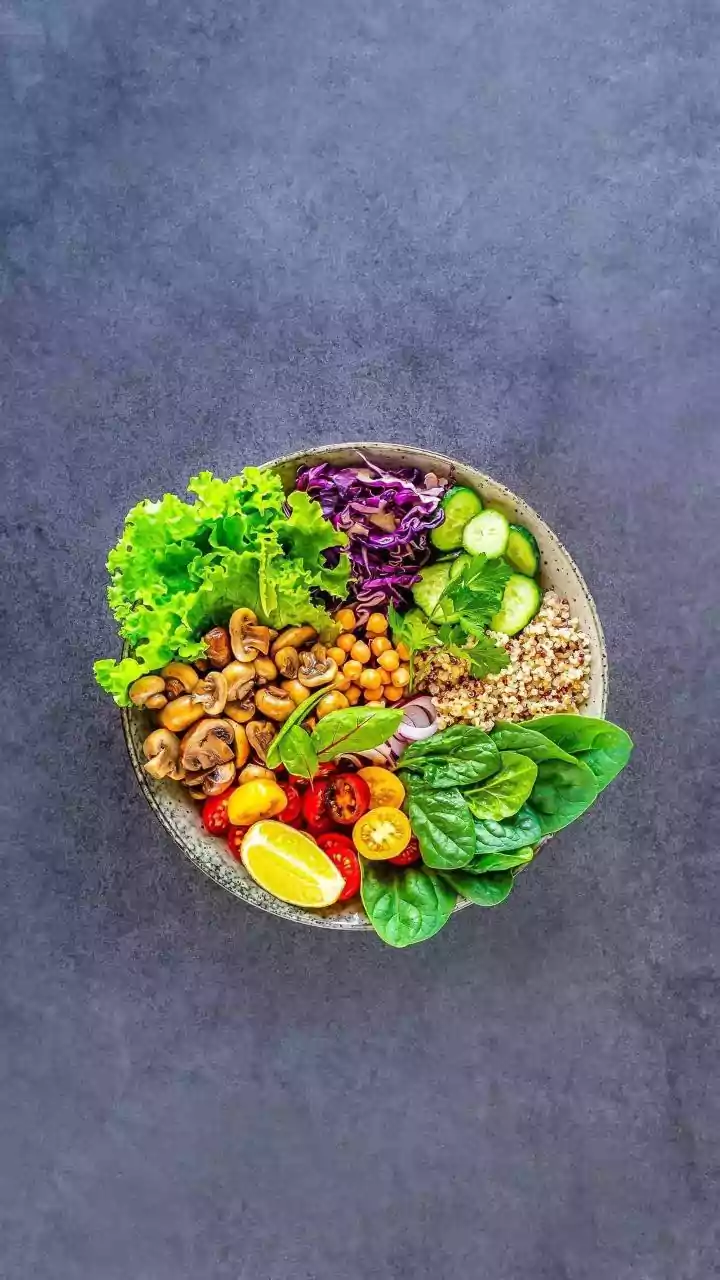
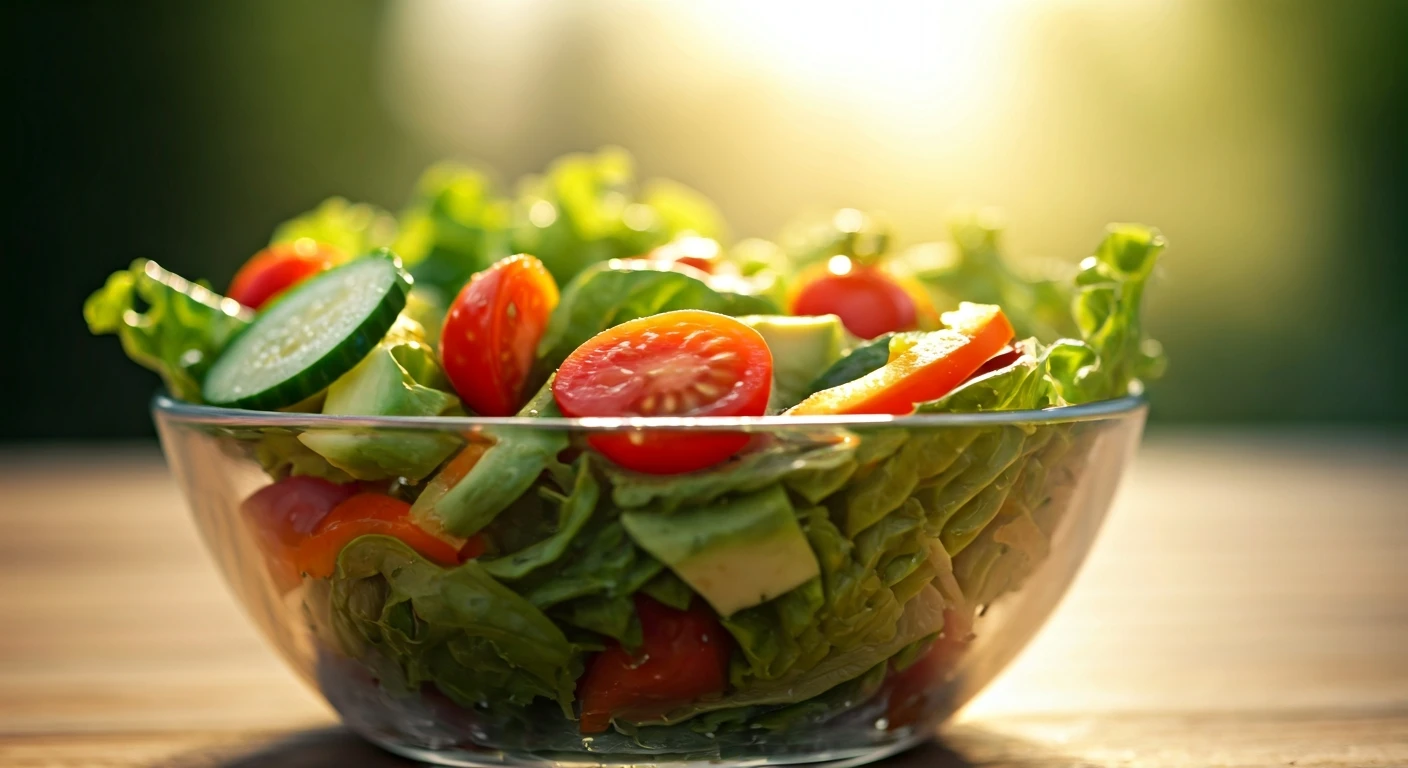
Salads are a summer staple for a reason. Leafy greens like romaine lettuce, spinach, and kale are not only rich in water but also packed with minerals like calcium and magnesium, which are crucial for nerve function and muscle health—both of which can be taxed by heat and dehydration. Because they are consumed raw and require no cooking, they won't add any extra heat to your kitchen or your body. Building your meal around a large, vibrant salad is a simple way to get cooling hydration and essential nutrients without feeling weighed down.
Harness the Chill of Mint
Have you ever noticed how a mint-flavored gum or drink feels intensely cold, even if it’s room temperature? That’s not your imagination. Mint contains a compound called menthol, which binds to specific receptors in our skin and mouth that are responsible for detecting cold. It essentially tricks your brain into perceiving a cooling sensation, providing immediate, albeit temporary, relief. This effect makes mint a powerful ingredient for summer. Try adding fresh mint leaves to your water or iced tea, blending them into a smoothie, or tossing them into a fruit salad for a refreshing burst of coolness.
Get Strategic with Spicy Foods
This might seem wildly counterintuitive, but there’s a reason why spicy cuisine is so popular in some of the world's hottest climates. Foods containing capsaicin—the compound that gives chili peppers their heat—trigger a physiological response. Your mouth feels hot, your heart rate increases slightly, and crucially, you begin to sweat. This phenomenon, known as gustatory sweating, is your body's most effective natural air conditioning system. As the sweat evaporates from your skin, it carries heat away from your body, ultimately lowering your core temperature. A spicy curry or salsa might make you feel hotter for a few minutes, but it’s actually jump-starting your internal cooling process.
Choose Lighter Proteins and Grains
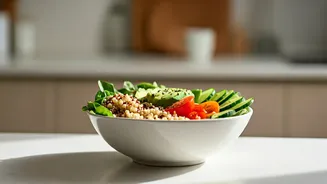
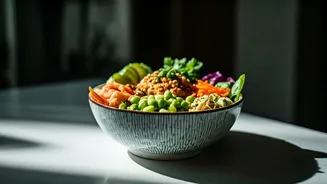
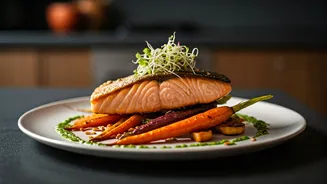
Digesting food requires energy, which in turn generates heat in a process called the thermic effect of food. Large, heavy meals—especially those high in fat and complex proteins like a rich stew or a big steak—require a lot of work to break down, creating more internal heat. During a heatwave, you can help your body stay cooler by opting for lighter meals. Think grilled fish or chicken, plant-based proteins like chickpeas and lentils, and easily digestible grains like quinoa or couscous. These foods provide sustained energy without forcing your digestive system into overdrive, helping you feel more comfortable in the heat.
Replenish with Electrolytes
When you sweat, you don't just lose water; you also lose essential minerals called electrolytes, like potassium and sodium. These are vital for maintaining proper fluid balance, muscle function, and nerve signaling. An imbalance can lead to fatigue, muscle cramps, and other symptoms of heat exhaustion. To stay ahead of it, incorporate foods rich in these minerals. Bananas and avocados are fantastic sources of potassium. Coconut water is often called ‘nature’s sports drink’ because it’s naturally packed with electrolytes. A small, salty snack like pretzels can also help replenish sodium lost through excessive sweating.